





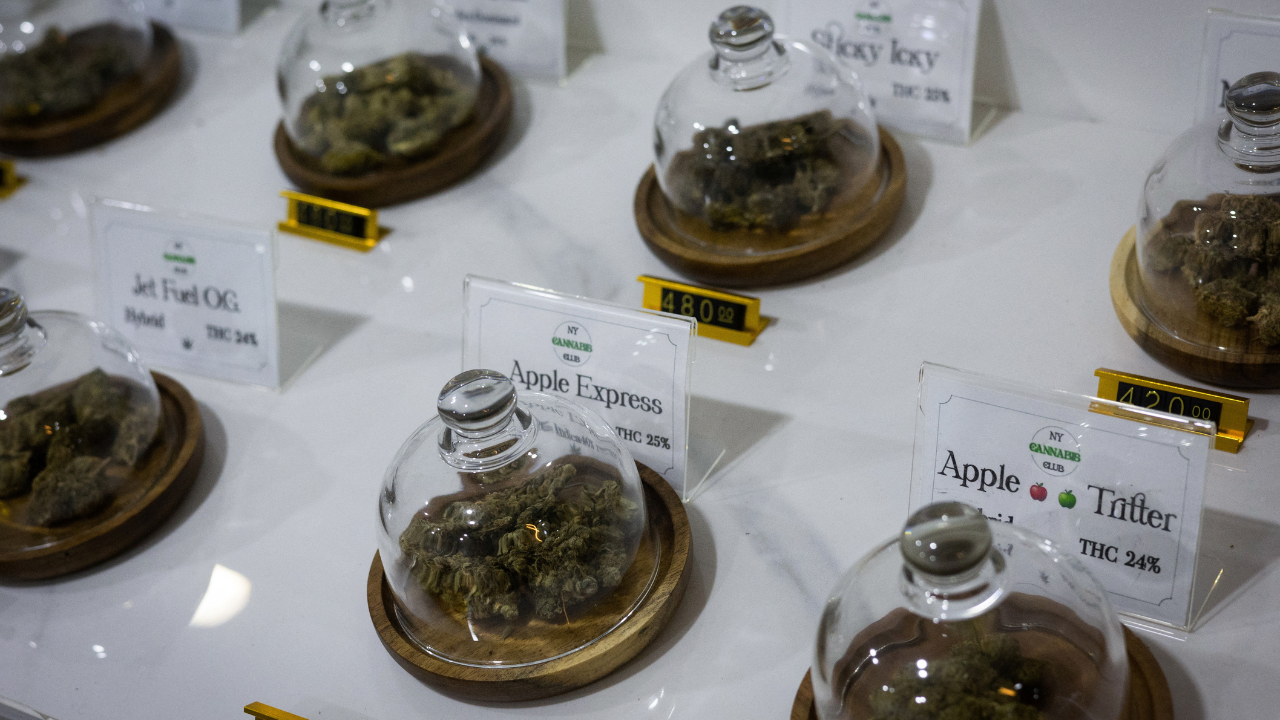
Thailand is planning to reclassify cannabis as a narcotic and will only issue permits for medical and research purposes. Prime Minister Srettha Thavisin recently announced a policy reversal, aiming to recriminalize cannabis by the end of the year. Under the new regulation, recreational use of cannabis will be prohibited and licenses will be required for cultivation, export, and possession. Public Health Minister Somsak Thepsutin confirmed this plan on social media, emphasizing that only those growing and using cannabis for medical purposes and research will be granted permits.
The decision to prohibit recreational use of cannabis marks a significant policy shift by the Thai government. Previously, cannabis was decriminalized in 2022 and had been legalized for research and medical use in 2018. However, Prime Minister Srettha Thavisin’s recent announcement signals a reversal of this trend. While details of the licensing process for medical and research purposes are still being finalized, Somsak assured that the system would not impose an unreasonable burden on the public. There will also be a grace period for the public to adjust to the new regulation.
Pro-cannabis groups have expressed opposition to the government’s plan to reclassify and restrict the use of cannabis. They argue that this move could damage business confidence, especially considering the growth of cannabis cafes and dispensaries following its legalization. The cannabis industry in Thailand was projected to be worth up to $1.2 billion by 2025, and the reversal of this policy could have detrimental effects on entrepreneurs and businesses in the sector. Despite the protests, it appears that the Thai government is intent on implementing stricter regulations around cannabis use.
Thailand has a long history of using marijuana for various purposes, including pain relief, fatigue, traditional medicine, and recipes. The legalization of cannabis for research and medical use in 2018 was a significant step towards recognizing its potential benefits. However, the decision to reclassify cannabis as a narcotic and impose restrictions on its use reflects a shift in the government’s approach to drug policy. While cannabis has been removed from the national narcotics list in recent years, the impending recriminalization highlights changing attitudes towards the plant.
As the Thai government moves towards reclassifying cannabis as a narcotic and restricting its use to medical and research purposes, there are likely to be implications for various stakeholders. Proponents of cannabis legalization may face challenges as the industry adjusts to the new regulations. However, the government’s decision reflects a broader shift in drug policy and highlights the need for careful consideration of the potential risks and benefits associated with cannabis use. Ultimately, how Thailand navigates this policy reversal will be closely watched by those both within and outside the country’s cannabis industry.