






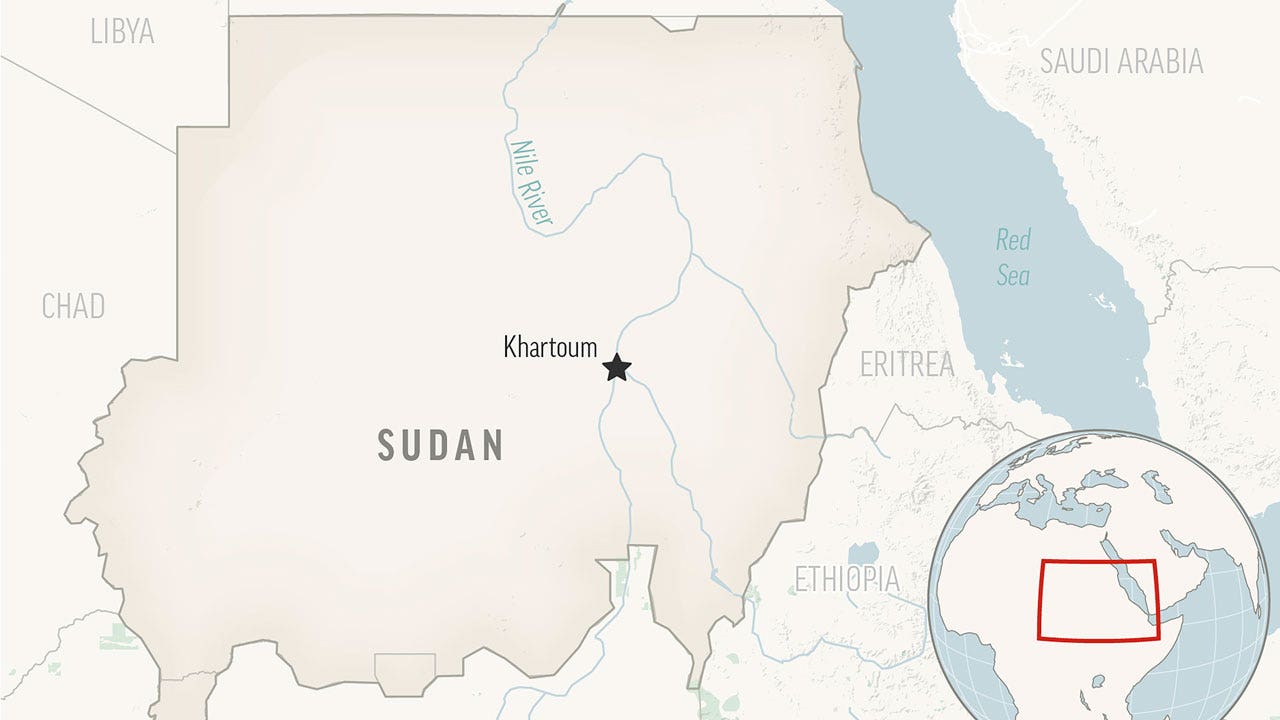
The conflict in Sudan, which began in April 2023, has been escalating, with reports of fires being used as a weapon of war. Last month alone, 72 villages and settlements were destroyed or damaged by fires resulting from the fighting. The use of fire as a tool of warfare has been a common tactic, particularly by the paramilitary Rapid Support Forces in regions like Darfur. The total number of fires in Sudan has now reached 201 since the conflict began. The exact casualty figures from these fires have not been provided, but the destruction and devastation caused by the blazes are evident.
The recent surge in the number of fires in Sudan has raised concerns about the use of fire as a weapon in the conflict. In the North and West of el-Fasher, the capital city of North Darfur state, the number of fires has increased significantly. The city recently faced intense fighting between the Sudanese military and paramilitary RSF forces, resulting in casualties and displacement. Airstrikes by the military have also taken a toll on civilians, with reports of two children and a caregiver being killed in one such attack. The violence and destruction in Sudan have led to the mass displacement of people, with over 800 individuals displaced in a recent attack.
The Center for Information Resilience, through its Sudan Witness project, has been documenting the impact of fires in Sudan. The analysis conducted by the project revealed that 31 settlements, including villages and towns, were affected by fires in April. With over 50% destruction rate in some areas, the devastation caused by the fires is evident. The patterns of fires and their correlation with fighting and airstrikes suggest that fire is being indiscriminately used as a tool of war. This trend is worsening, further exacerbating the humanitarian crisis in Sudan.
The conflict in Sudan initially started with tensions between the Sudanese military and the RSF in Khartoum, the capital city. The clashes quickly spread to other parts of the country, including Darfur, where brutal attacks have been reported. The Sudan Witness project also highlighted that at least 51 settlements for displaced people have been hit by fires more than once in the ongoing conflict. The project’s investigators have been monitoring the patterns of fires across Sudan using various sources such as social media, satellite imagery, and NASA’s fire monitoring data to provide insights into the impact of fires in the war-torn country.
The situation in Sudan remains dire, with the ongoing conflict leading to widespread destruction and displacement of civilians. The use of fire as a weapon of war has exacerbated the crisis, with numerous villages and settlements being destroyed by blazes. The international community has called for an end to the violence and for efforts to be made towards a peaceful resolution to the conflict in Sudan. As the fighting continues, humanitarian organizations like the Center for Information Resilience’s Sudan Witness project play a crucial role in documenting and shedding light on the atrocities being committed, in the hope of bringing attention to the plight of the Sudanese people and working towards a peaceful resolution.