





Close Menu
West TimelinesWest Timelines
  • News
  • Politics
  • World
    • Africa
    • Asia
    • Australia
    • Europe
      • United Kingdom
      • Germany
      • France
      • Italy
      • Russia
      • Spain
      • Turkey
      • Ukraine
    • North America
      • United States
      • Canada
    • South America
  • Business
    • Finance
    • Markets
    • Investing
    • Small Business
    • Crypto
  • Elections
  • Entertainment
  • Health
  • Lifestyle
    • Fashion
    • Food & Drink
    • Travel
    • Astrology
  • Weird News
  • Science
  • Sports
    • Soccer
  • Technology
  • Viral Trends
Trending Now

3 Special Awards Announced at the MICHELIN Guide Restaurant Celebration Saudi Arabia 2026

2 weeks ago

RING LAUNCHES NEW AI-POWERED SMART VIDEO SEARCH IN THE UAE

2 months ago

Dubai Spotlight: Analyzing the Evolving Audience Tastes with AI Social Listening Tools in the UAE

3 months ago

مرآة التاريخ: تحليل البناء السردي للدروس الخالدة في قصص الأنبياء والإسلام

3 months ago

السندات الحكومية والشركات: أساسيات الاستثمار الآمن والدخل الثابت

3 months ago
Facebook X (Twitter) Instagram
West TimelinesWest Timelines
  • News
  • US
  • #Elections
  • World
    • North America
      • United States
      • Canada
    • Europe
      • United Kingdom
      • Germany
      • France
      • Italy
      • Spain
      • Ukraine
      • Russia
      • Turkey
    • Asia
    • Australia
    • Africa
    • South America
  • Politics
  • Business
    • Finance
    • Investing
    • Markets
    • Small Business
    • Crypto
  • Lifestyle
    • Astrology
    • Fashion
    • Food & Drink
    • Travel
  • Health
  • Sports
    • Soccer
  • More
    • Entertainment
    • Technology
    • Science
    • Viral Trends
    • Weird News
Subscribe
  • Israel War
  • Ukraine War
  • United Kingdom
  • Canada
  • Germany
  • France
  • Italy
  • Russia
  • Spain
  • Turkey
  • Ukraine
West TimelinesWest Timelines
Home»News
News

Study reveals numerous Egyptian pyramids, including some in Giza, lined the banks of the Nile

May 17, 2024No Comments3 Mins Read
Facebook Twitter Pinterest LinkedIn Telegram Email WhatsApp Copy Link

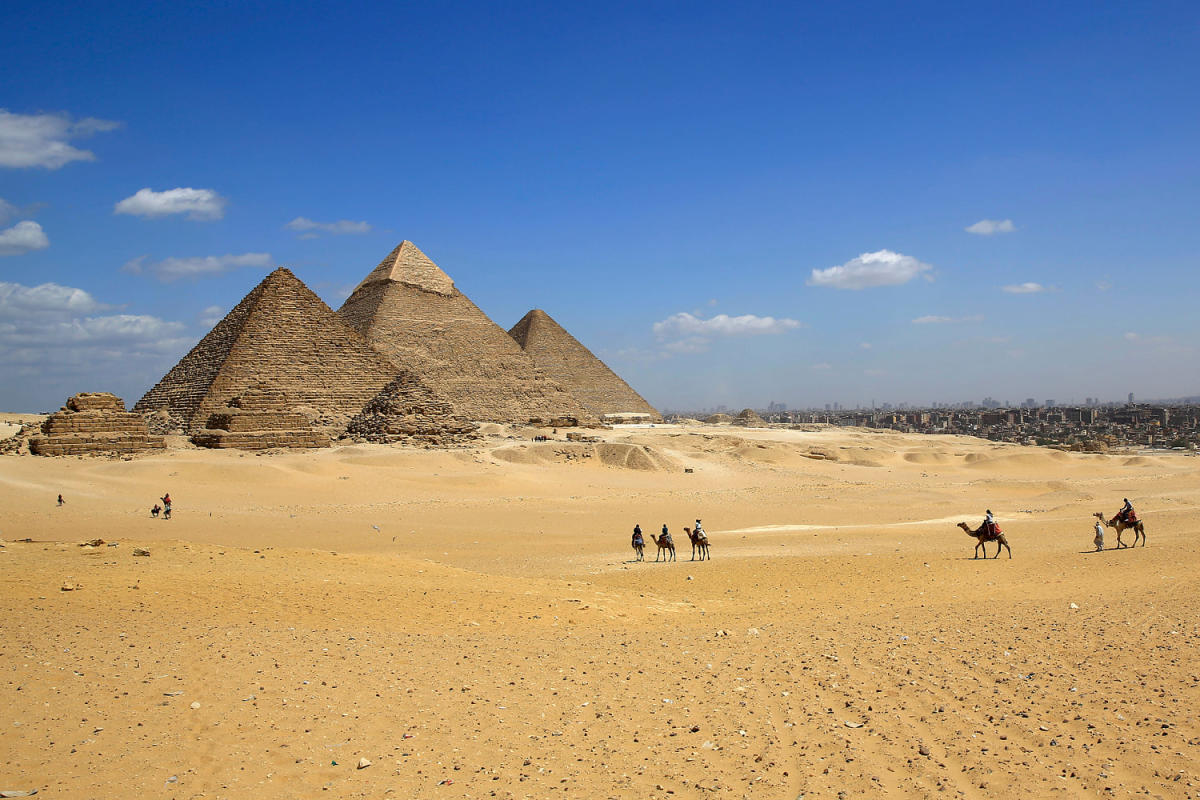
New research published in the journal Communications Earth & Environment provides evidence that an extinct branch of the Nile River once flowed through the landscape in a wetter climate, supporting the construction of pyramids in Egypt. The waterway allowed workers to transport materials, including the large limestone blocks used in pyramid construction, via raised causeways connecting the monuments to river ports. Over time, drought and seismic activity likely caused the river to dry up and fill with silt, erasing most traces of its existence.

The study focuses on 31 pyramids constructed between Lisht and Giza, over a period of about 1,000 years starting 4,700 years ago. These pyramid complexes contained tombs for Egyptian royals, with some of the large granite blocks used in construction sourced from locations hundreds of miles away. Wheels were not used to move these blocks, leading researchers to believe that water transportation played a significant role in the construction process. New technologies like ground-penetrating radar and satellite imagery are helping researchers map ancient waterways.

The research findings suggest that the Egyptian climate was wetter in the past and the Nile carried a higher volume of water, dividing into multiple branches, one known as the Ahramat Branch which extended 40 miles. This branch aligned with the locations of pyramid complexes and temples, indicating a close relationship to the river. Previous studies have suggested that a waterway once cut through the present-day desert based on evidence of pollen grains from marsh species, and the recent study provides further evidence to support this theory.

The study team plans to expand their mapping efforts to detect additional buried branches of the Nile floodplain, which could help locate hidden settlements or undiscovered archaeological sites before the land is developed. The research builds on previous work that has pointed to the importance of water transportation in pyramid construction, shedding light on how ancient Egyptians interacted with their environment to achieve monumental architectural projects. Despite ongoing urban development encroaching on historic sites, Egypt remains a vast outdoor museum with potential for further discoveries.

Overall, the study emphasizes the significance of waterways for transportation in ancient Egypt and highlights the role of environmental factors in shaping the landscape where the pyramids were built. By using modern technology and scientific methods, researchers are able to piece together a clearer picture of how the ancient Egyptians utilized their surroundings to create monumental structures. This new evidence adds to our understanding of the complex engineering and logistical challenges involved in constructing one of the world’s most iconic architectural wonders.


Follow on Google News Follow on Flipboard
Share. Facebook Twitter Pinterest Email Telegram WhatsApp Copy Link

You Might Like

Array

Array

Array

Array

Array

Array

Editors Picks

RING LAUNCHES NEW AI-POWERED SMART VIDEO SEARCH IN THE UAE

2 months ago

Dubai Spotlight: Analyzing the Evolving Audience Tastes with AI Social Listening Tools in the UAE

3 months ago

مرآة التاريخ: تحليل البناء السردي للدروس الخالدة في قصص الأنبياء والإسلام

3 months ago

السندات الحكومية والشركات: أساسيات الاستثمار الآمن والدخل الثابت

3 months ago

UAE Ranks Among Top Rugby Markets on TOD as British & Irish Lions Tour Kicks Off

8 months ago

Latest News

Darven: A New Leap in AI-Powered Legal Technology Launching from the UAE to the World

8 months ago

Jordan to Host Iraq in the Final Round of the Asian World Cup Qualifiers After Securing Historic Spot

8 months ago

فلسطين: قلبٌ ينبض بالصمود والأمل

9 months ago
Advertisement
Facebook X (Twitter) TikTok Instagram Threads
© 2026 West Timelines. All Rights Reserved. Developed By: Sawah Solutions
  • Privacy Policy
  • Terms
  • Contact

Type above and press Enter to search. Press Esc to cancel.