




Leaders around the Baltic Sea are responding cautiously to reports that Russia might be considering revising the borders of its territorial waters in the region, with Lithuania’s foreign minister calling it an “obvious escalation” that requires a firm response. A draft proposal from Russia suggests updating the coordinates used to measure the strip of territorial waters off its mainland coast and its islands in the Baltic Sea, claiming that the current ones do not accurately reflect the modern geographical situation. It is unclear if the proposed changes would shift the border or simply clarify it, but the issue is causing concern among neighboring countries.
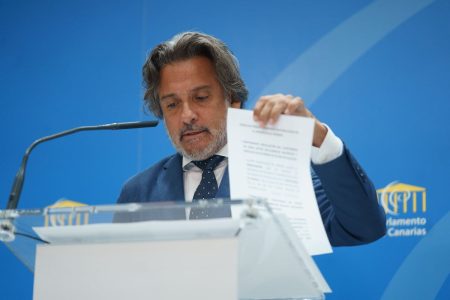
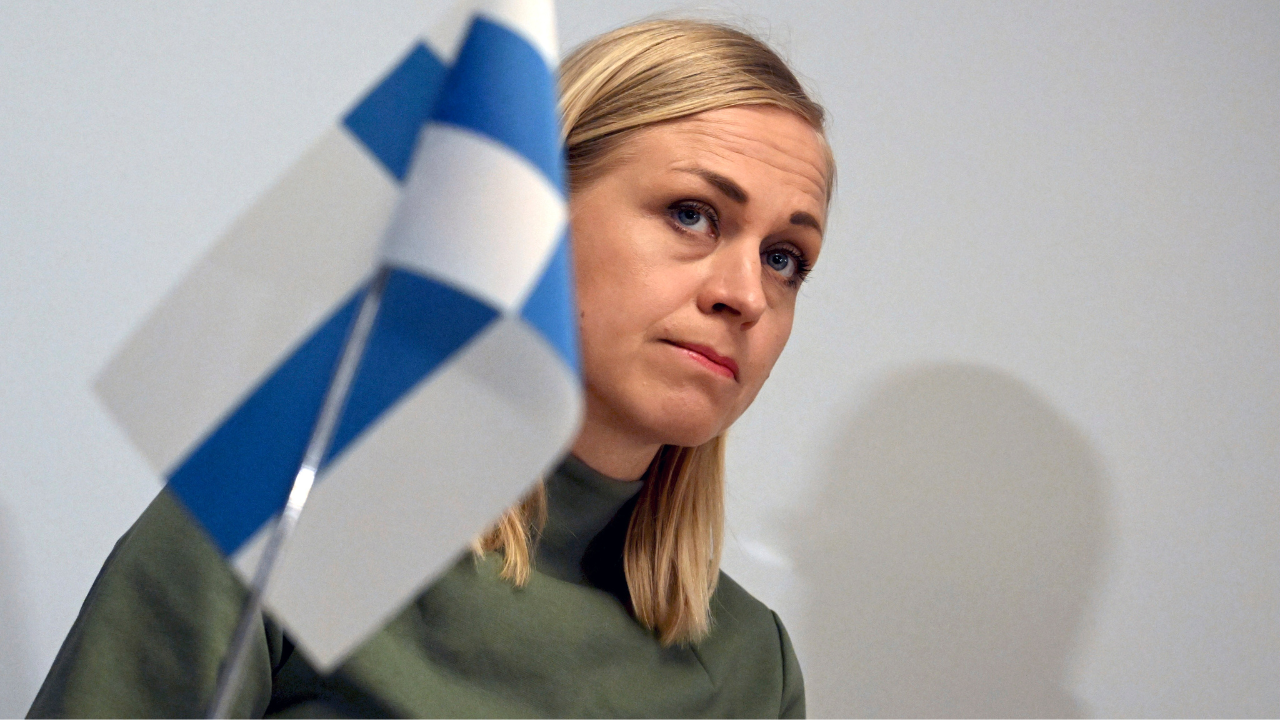
Swedish Prime Minister Ulf Kristersson emphasized that Russia is a signatory to a United Nations convention that governs how such changes are made, and expects Russia to uphold its responsibilities in that regard. Finland’s Foreign Minister Elina Valtonen expressed similar sentiments, stating that if Russia were to challenge borders, it would be in violation of the UN convention and would face international condemnation. Despite these concerns, some believe that this is a routine act by Russia rather than a deliberate provocation. Finnish President Alexander Stubb stressed that Finland is watching the situation calmly, while Lithuanian Foreign Minister Gabrielius Landsbergis accused Russia of trying to create uncertainty about its intentions in the Baltic Sea.
Russian officials have sought to downplay the issue, with Kremlin spokesman Dmitry Peskov asserting that there is nothing political in the Defense Ministry’s proposal and that it is a response to escalating tensions in the region. The draft proposal was published on an official government website but was later deleted, raising questions about the motivation behind the move. Russia’s Interfax news agency cited an unnamed military diplomatic source who stated that Moscow does not intend to revise the border or the width of its territorial waters, suggesting that the situation may have been misunderstood or misinterpreted by some.
The Baltic Sea has become a focal point of geopolitical tensions, especially since Russia’s invasion of Ukraine in 2022. Following this event, Finland and Sweden have joined NATO, essentially surrounding the Baltic Sea with alliance members. The Baltic Sea is a crucial maritime route for Russia, providing access to the city of St. Petersburg, as well as the Kaliningrad enclave, which is home to the Russian Navy’s Baltic Fleet. The proximity of NATO members to Kaliningrad and the increased military presence in the region have raised concerns about potential conflicts or misunderstandings that could escalate tensions further.
Despite the reassurances from Russian officials and the belief that this may be a routine administrative matter, the situation has caused anxiety among Baltic Sea nations. The response from neighboring countries, Sweden, Finland, and Lithuania, has been cautious but firm, urging Russia to adhere to international conventions and maintain open communication to prevent misunderstandings. The shifting geopolitical landscape in the Baltic Sea region, with a growing NATO presence and increased Russian military activity, highlights the delicate balance that must be maintained to avoid further escalation and protect the security and stability of the region.