




President Vladimir V. Putin of Russia is planning to implement a rare tax increase on corporations and high earners, reflecting the escalating costs of the war in Ukraine and ongoing confrontations with the West. With nearly a third of the country’s 2024 budget allocated for national defense spending, financial officials are exploring new ways to meet these financial demands. Despite the possible alienation of parts of society, this move underlines Putin’s confidence in his political control over the Russian elite and the nation’s economic resilience. It would mark the first significant tax overhaul in over a decade, suggesting a readiness to take risks to generate funds for the war effort.
The buoyant Russian economy, driven by high oil prices and military spending, has allowed for wage increases despite inflation and labor shortages. This favorable economic climate may have emboldened decision-makers to propose tax increases at this time. While uncertainties loom regarding future geopolitical costs and the impact of Western sanctions, the current moment seems opportune for financial adjustments. The proposed tax overhaul aims to ensure a fairer distribution of the tax burden while encouraging business development and investment, particularly in strategic sectors such as infrastructure, social projects, and training initiatives.
President Putin’s intention to introduce a new progressive tax scale, potentially exempting lower-income earners and implementing special incentives for various groups, signals a commitment to addressing poverty and wealth inequality. By targeting high earners and corporations, the tax changes could also serve to dampen discontent over the war, especially among poorer Russians who bear the brunt of its impact. Details of the planned tax increase include raising the personal income tax on earnings over a million rubles per year and adjusting the corporate profit tax rate, signaling a shift towards diversifying revenue sources beyond the oil and gas sector.
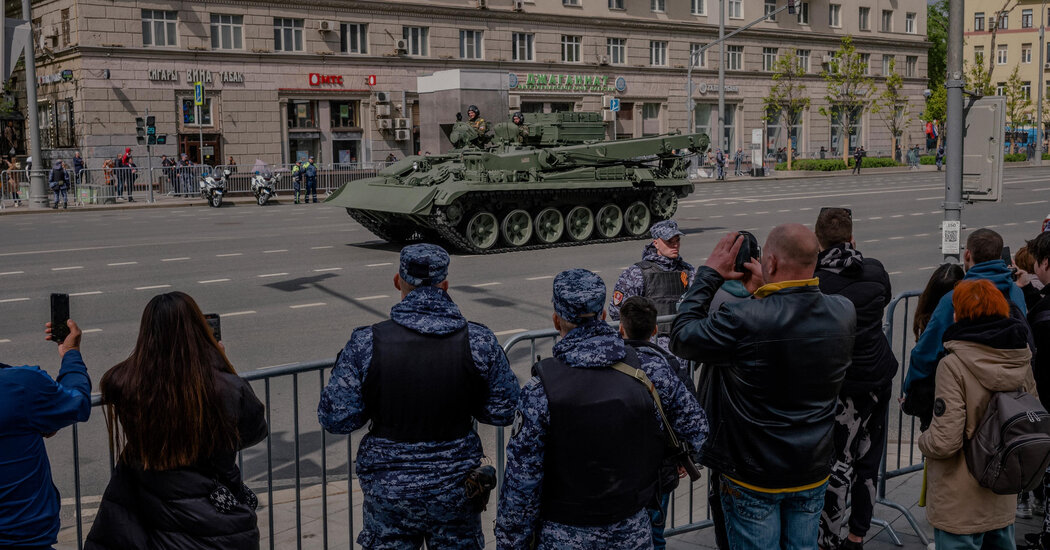
The planned tax policies highlight how Russian society, from business leaders to soldiers, is being mobilized to support the war effort, which has become a dominant theme in public life. Moscow’s defense expenditures have surged since the conflict began, necessitating innovative financial strategies to sustain funding levels. By increasing taxation on corporations and high earners, the Russian government aims to secure necessary funds for current and future military engagements. The unpredictability of Putin’s future geopolitical actions underscores the urgency of generating revenue now to meet potential future costs.
Since the 1990s, Russia has undergone tax reform under Putin’s leadership, transitioning from a complex tax code with lax enforcement to a streamlined system that significantly increased income tax revenue. While the 13 percent flat tax initially boosted compliance, subsequent adjustments targeting higher-income groups have raised concerns about fairness in a society marked by income inequality. Recent changes such as taxing excess profits and implementing export duties reflect ongoing efforts to generate revenue for the war. While stakeholders may accept higher tax rates in the short term, uncertainty remains regarding the persistence of additional levies in the future.
As Russia grapples with the financial demands of the war in Ukraine, government officials are focused on maximizing revenue streams to support military operations and withstand potential economic challenges. The proposed tax increases, targeting corporations and high earners, are part of a broader strategy to close funding gaps and diversify revenue sources beyond the oil and gas sector. While the economic climate currently favors such initiatives, the long-term implications of sustained military spending and geopolitical uncertainties underscore the need for ongoing financial adjustments. By mobilizing various segments of society to contribute financially, Russia is positioning itself to navigate the fiscal challenges associated with the war and assert its economic resilience in the face of external pressures.