



Close Menu
West TimelinesWest Timelines
  • News
  • Politics
  • World
    • Africa
    • Asia
    • Australia
    • Europe
      • United Kingdom
      • Germany
      • France
      • Italy
      • Russia
      • Spain
      • Turkey
      • Ukraine
    • North America
      • United States
      • Canada
    • South America
  • Business
    • Finance
    • Markets
    • Investing
    • Small Business
    • Crypto
  • Elections
  • Entertainment
  • Health
  • Lifestyle
    • Fashion
    • Food & Drink
    • Travel
    • Astrology
  • Weird News
  • Science
  • Sports
    • Soccer
  • Technology
  • Viral Trends
Trending Now

Dubai Spotlight: Analyzing the Evolving Audience Tastes with AI Social Listening Tools in the UAE

4 weeks ago

مرآة التاريخ: تحليل البناء السردي للدروس الخالدة في قصص الأنبياء والإسلام

4 weeks ago

السندات الحكومية والشركات: أساسيات الاستثمار الآمن والدخل الثابت

1 month ago

UAE Ranks Among Top Rugby Markets on TOD as British & Irish Lions Tour Kicks Off

5 months ago

Darven: A New Leap in AI-Powered Legal Technology Launching from the UAE to the World

6 months ago
Facebook X (Twitter) Instagram
West TimelinesWest Timelines
  • News
  • US
  • #Elections
  • World
    • North America
      • United States
      • Canada
    • Europe
      • United Kingdom
      • Germany
      • France
      • Italy
      • Spain
      • Ukraine
      • Russia
      • Turkey
    • Asia
    • Australia
    • Africa
    • South America
  • Politics
  • Business
    • Finance
    • Investing
    • Markets
    • Small Business
    • Crypto
  • Lifestyle
    • Astrology
    • Fashion
    • Food & Drink
    • Travel
  • Health
  • Sports
    • Soccer
  • More
    • Entertainment
    • Technology
    • Science
    • Viral Trends
    • Weird News
Subscribe
  • Israel War
  • Ukraine War
  • United Kingdom
  • Canada
  • Germany
  • France
  • Italy
  • Russia
  • Spain
  • Turkey
  • Ukraine
West TimelinesWest Timelines
Home»Business
Business

Research suggests that El Nino, not climate change, was the primary factor in causing reduced rainfall which disrupted operations at the Panama Canal

May 1, 2024No Comments3 Mins Read
Facebook Twitter Pinterest LinkedIn Telegram Email WhatsApp Copy Link

A study conducted by a team of international scientists has found that the climate phenomenon known as El Nino was a key driver in the low rainfall that disrupted shipping at the Panama Canal last year. The natural warming of the central Pacific caused by El Nino doubled the likelihood of the low precipitation that Panama experienced during the rainy season, reducing water levels in the reservoir that feeds freshwater to the canal and provides drinking water for the country. The study concluded that human-caused climate change was not a primary driver of the unusually dry monsoon season in Panama last year, contrary to popular belief.

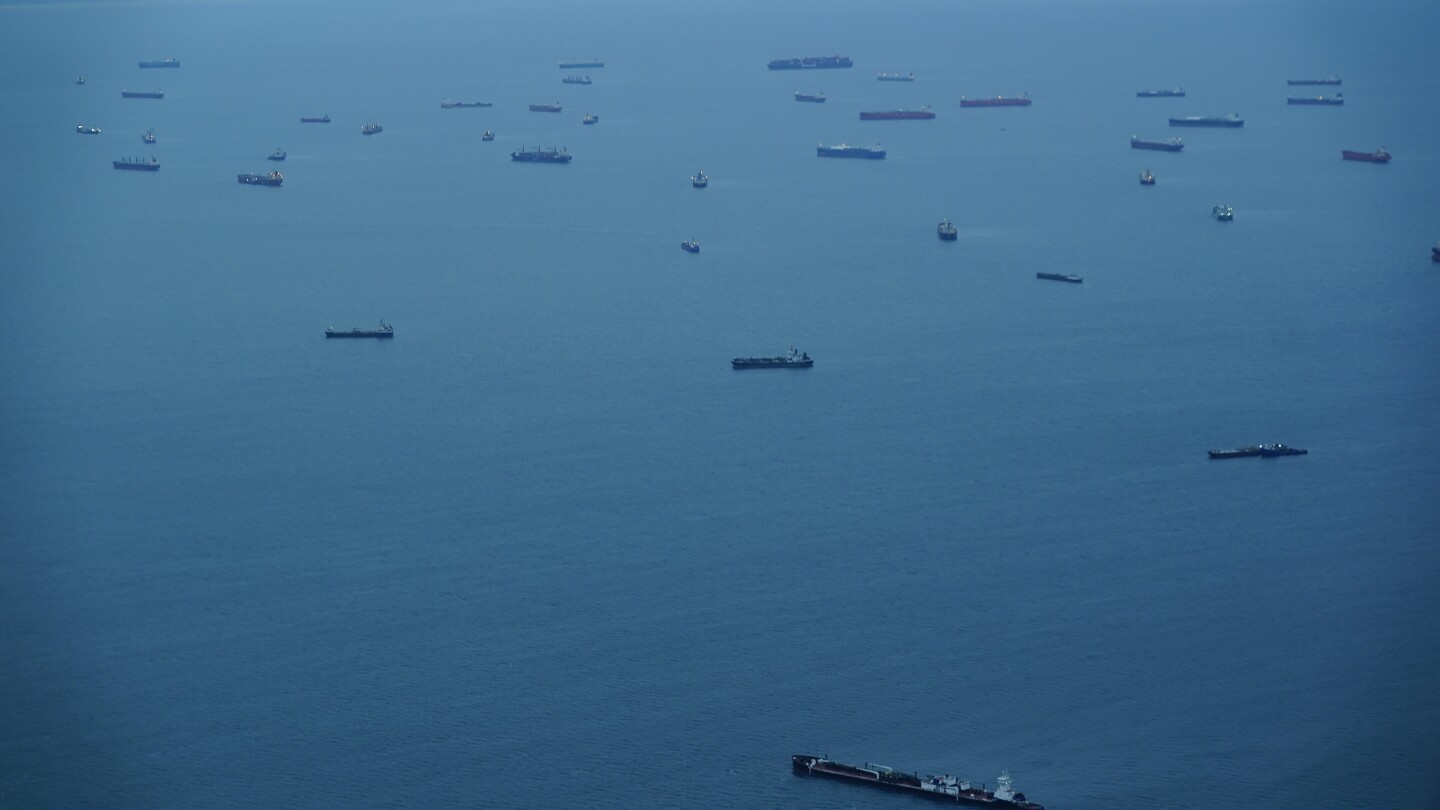
Despite not being published in a peer-reviewed scientific journal yet, the study follows scientifically accepted techniques, and past similar studies have been published in such journals months later. Climate scientist Kim Cobb emphasized the role of natural variability in driving extreme weather events and highlighted the importance of recognizing that climate change is not always the answer to such phenomena. Panama experienced one of its driest years on record in 2023, with below-average rainfall for seven of the eight months of its rainy season, leading to restrictions on the number and size of ships passing through the canal due to low water levels.

To determine the role of climate change in the low rainfall, the team of scientists analyzed weather data against computer simulations that simulate a world without the current warming since preindustrial times. The models did not show a trend similar to the drying that Panama experienced last year, with many actually indicating a wetter trend in the region due to climate change from greenhouse gas emissions. The analysis revealed that El Nino reduced the 2023 rainfall by about 8%, and it is unlikely that Panama would have experienced such a dry rainy season without the influence of the weather phenomenon. Increased demand for water in the region was also identified as a contributing factor to the shortfall in rainfall.

The study used over 140 years of rainfall records collected from 65 weather stations, providing ample data for analysis. Researchers involved in the study expressed confidence in the conclusion that El Nino was the primary driver of the low precipitation in Panama last year. The World Weather Attribution group, which launched in 2015, aims to determine the role of climate change in extreme weather events through attribution science, using real-world weather observations and computer modeling. The group’s findings provide valuable insights into the impact of natural variability and climate change on weather patterns and extreme events.


Follow on Google News Follow on Flipboard
Share. Facebook Twitter Pinterest Email Telegram WhatsApp Copy Link

You Might Like

السندات الحكومية والشركات: أساسيات الاستثمار الآمن والدخل الثابت

Array

Array

Array

Array

Array

Editors Picks

مرآة التاريخ: تحليل البناء السردي للدروس الخالدة في قصص الأنبياء والإسلام

4 weeks ago

السندات الحكومية والشركات: أساسيات الاستثمار الآمن والدخل الثابت

1 month ago

UAE Ranks Among Top Rugby Markets on TOD as British & Irish Lions Tour Kicks Off

5 months ago

Darven: A New Leap in AI-Powered Legal Technology Launching from the UAE to the World

6 months ago

Jordan to Host Iraq in the Final Round of the Asian World Cup Qualifiers After Securing Historic Spot

6 months ago

Latest News

فلسطين: قلبٌ ينبض بالصمود والأمل

7 months ago

Roland Garros 2025: A New Era of Viewing, A Tribute to Legends, and Moments to Remember

7 months ago

Array

7 months ago
Advertisement
Facebook X (Twitter) TikTok Instagram Threads
© 2025 West Timelines. All Rights Reserved. Developed By: Sawah Solutions
  • Privacy Policy
  • Terms
  • Contact

Type above and press Enter to search. Press Esc to cancel.