



Close Menu
West TimelinesWest Timelines
  • News
  • Politics
  • World
    • Africa
    • Asia
    • Australia
    • Europe
      • United Kingdom
      • Germany
      • France
      • Italy
      • Russia
      • Spain
      • Turkey
      • Ukraine
    • North America
      • United States
      • Canada
    • South America
  • Business
    • Finance
    • Markets
    • Investing
    • Small Business
    • Crypto
  • Elections
  • Entertainment
  • Health
  • Lifestyle
    • Fashion
    • Food & Drink
    • Travel
    • Astrology
  • Weird News
  • Science
  • Sports
    • Soccer
  • Technology
  • Viral Trends
Trending Now

Dubai Spotlight: Analyzing the Evolving Audience Tastes with AI Social Listening Tools in the UAE

1 month ago

مرآة التاريخ: تحليل البناء السردي للدروس الخالدة في قصص الأنبياء والإسلام

1 month ago

السندات الحكومية والشركات: أساسيات الاستثمار الآمن والدخل الثابت

1 month ago

UAE Ranks Among Top Rugby Markets on TOD as British & Irish Lions Tour Kicks Off

6 months ago

Darven: A New Leap in AI-Powered Legal Technology Launching from the UAE to the World

6 months ago
Facebook X (Twitter) Instagram
West TimelinesWest Timelines
  • News
  • US
  • #Elections
  • World
    • North America
      • United States
      • Canada
    • Europe
      • United Kingdom
      • Germany
      • France
      • Italy
      • Spain
      • Ukraine
      • Russia
      • Turkey
    • Asia
    • Australia
    • Africa
    • South America
  • Politics
  • Business
    • Finance
    • Investing
    • Markets
    • Small Business
    • Crypto
  • Lifestyle
    • Astrology
    • Fashion
    • Food & Drink
    • Travel
  • Health
  • Sports
    • Soccer
  • More
    • Entertainment
    • Technology
    • Science
    • Viral Trends
    • Weird News
Subscribe
  • Israel War
  • Ukraine War
  • United Kingdom
  • Canada
  • Germany
  • France
  • Italy
  • Russia
  • Spain
  • Turkey
  • Ukraine
West TimelinesWest Timelines
Home»News
News

Religious and cultural allusions stripped from names of Xinjiang villages in China

June 19, 2024No Comments3 Mins Read
Facebook Twitter Pinterest LinkedIn Telegram Email WhatsApp Copy Link

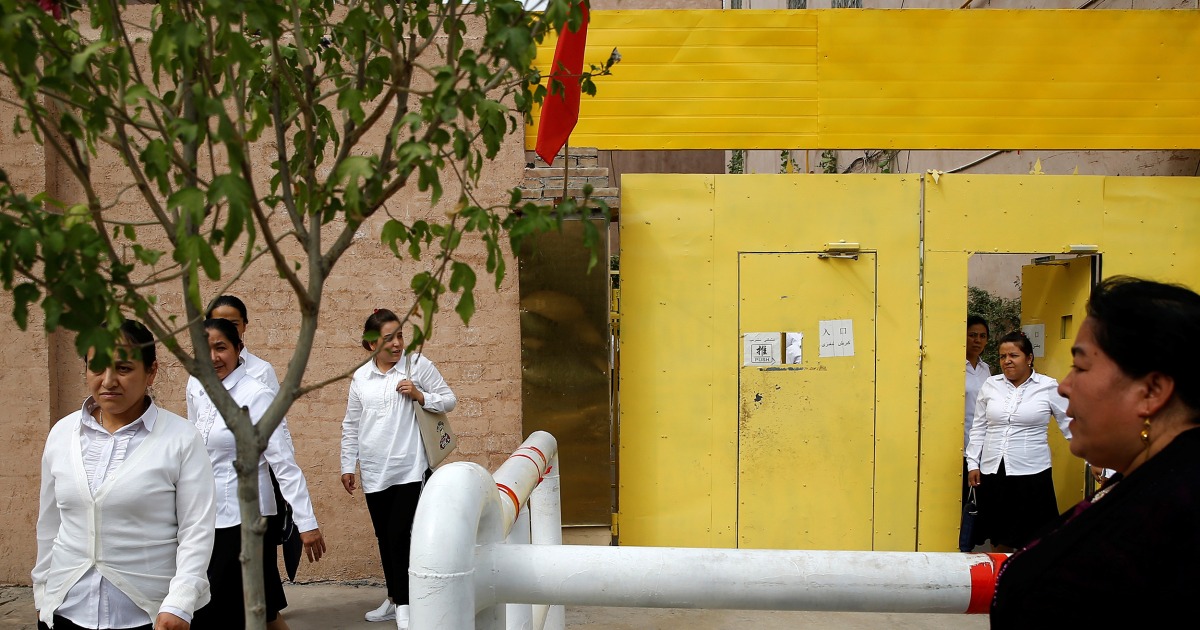
The Human Rights Watch released a report detailing the systematic changing of village names in China’s Xinjiang region to reflect the Communist Party’s ideology, leading to a loss of cultural identity for Uyghurs and other ethnic minorities. Approximately 630 villages have had their names altered, removing references to Islam or Uyghur culture and history. Words like “dutar” and “mazar” have been replaced with generic terms favored by the Communist Party. The Chinese authorities have been accused of making these changes as part of an effort to erase cultural and religious expressions of Uyghurs.

Xinjiang, a region home to about 11 million Uyghurs and other ethnic minorities, has been the focus of a campaign of assimilation by the Chinese government since 2017. This campaign includes mass detentions, alleged political indoctrination, family separations, and forced labor. More than 1 million Uyghurs and other minorities are believed to be held in extralegal internment camps. The U.N. Human Rights Office found accusations of rights violations in Xinjiang to be credible and suggested that China may have committed crimes against humanity in the region.

The changes to village names in Xinjiang target not only religion but also references to Uyghur history and regional leaders predating the establishment of the People’s Republic of China in 1949. Terms such as “Hoja” and “haniqa” have been removed, along with mentions of religious buildings and figures. The alterations are seen as an attempt by the Chinese government to erase people’s historical memory and cultural heritage. According to Uyghur linguist Abduweli Ayup, these name changes are aimed at eliminating reminders of who the Uyghur people are.

The report states that most of the village name changes occurred between 2017 and 2019, coinciding with the government crackdown in Xinjiang. The Uyghur Hjelp organization, based in Norway, collaborated on the research and analysis of the village names. The Chinese government has not responded to inquiries about the report or its policies in Xinjiang. The actions taken by authorities in Xinjiang reflect ongoing efforts to suppress and control the cultural and religious identity of Uyghurs and other ethnic minorities in the region.

The Chinese government has faced accusations of human rights violations in Xinjiang, including allegations of forced labor, indoctrination, and family separations. The report by Human Rights Watch highlights how the changes to village names are part of a broader campaign to assimilate and control Uyghur communities. The U.N. has described the situation in Xinjiang as potentially amounting to crimes against humanity. The village name changes serve as a visible example of the ways in which the Chinese government is attempting to erase the cultural and historical identity of Uyghurs in Xinjiang.

Follow on Google News Follow on Flipboard
Share. Facebook Twitter Pinterest Email Telegram WhatsApp Copy Link

You Might Like

Array

Array

Array

Array

Array

Array

Editors Picks

مرآة التاريخ: تحليل البناء السردي للدروس الخالدة في قصص الأنبياء والإسلام

1 month ago

السندات الحكومية والشركات: أساسيات الاستثمار الآمن والدخل الثابت

1 month ago

UAE Ranks Among Top Rugby Markets on TOD as British & Irish Lions Tour Kicks Off

6 months ago

Darven: A New Leap in AI-Powered Legal Technology Launching from the UAE to the World

6 months ago

Jordan to Host Iraq in the Final Round of the Asian World Cup Qualifiers After Securing Historic Spot

7 months ago

Latest News

فلسطين: قلبٌ ينبض بالصمود والأمل

7 months ago

Roland Garros 2025: A New Era of Viewing, A Tribute to Legends, and Moments to Remember

7 months ago

Array

7 months ago
Advertisement
Facebook X (Twitter) TikTok Instagram Threads
© 2025 West Timelines. All Rights Reserved. Developed By: Sawah Solutions
  • Privacy Policy
  • Terms
  • Contact

Type above and press Enter to search. Press Esc to cancel.