




The Energy Information Administration’s (EIA) Weekly Natural Gas Storage Report serves as a crucial indicator for determining the direction of natural gas prices in the United States. This report provides updates on levels of natural gas in storage facilities, including data on working gas, net changes, implied flows, and historical comparisons. Released every Thursday, the report plays a significant role in impacting prices in the natural gas market by reflecting the supply and demand balance.
Seasonality is another factor that influences natural gas prices, with demand typically spiking during the winter months. Producers utilize underground pressurized storage to build inventories from spring until mid-fall, which are then depleted during the winter heating season. As demonstrated in recent data, inventories in the U.S. are currently 19% higher than a year ago and 31% above the 5-year average, due to a surplus of production compared to demand growth and warmer winters in recent years.
In the winter of 2012, natural gas inventories were not significantly depleted before rebuilding began, resulting in spot prices plummeting to under $2 per million Btu. Conversely, the winter of 2013-14 saw substantial depletion of inventories, leading to price spikes exceeding $8/MMBtu. The current situation mirrors the mild winters of 2012 and 2016, with inventory levels indicating continued depressed prices below $2/MMBtu until a colder winter season occurs.
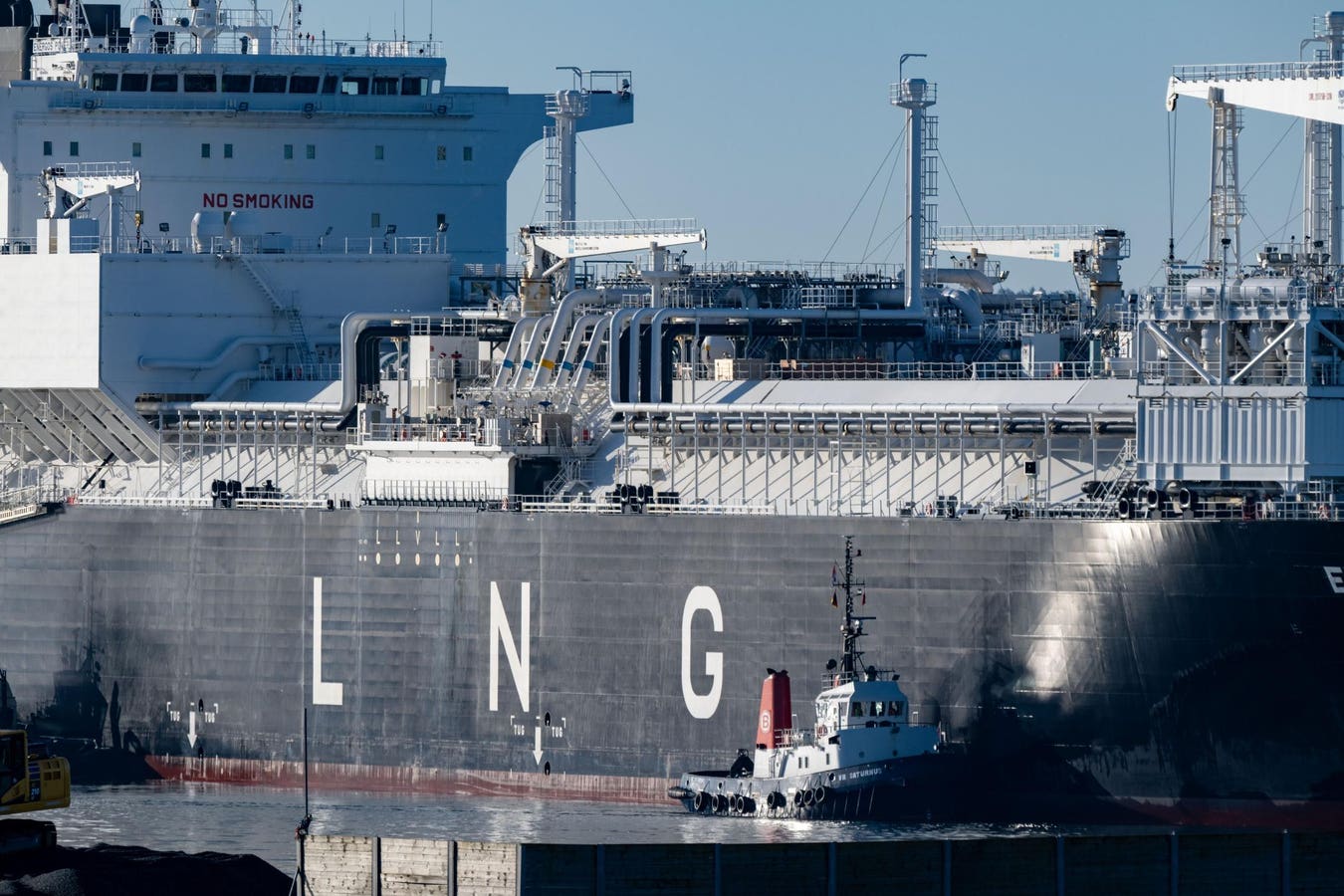
Despite similarities to previous years, one notable difference is the growth in U.S. liquefied natural gas (LNG) exports. This increase in exports has the potential to absorb the excess supply of natural gas and restore the supply/demand balance sooner than seen in previous years. As a result, it is possible that natural gas prices may stabilize and recover more quickly due to the impact of increased LNG exports on the market.
Overall, the EIA’s Weekly Natural Gas Storage Report remains a crucial tool for monitoring natural gas prices in the United States. With inventories currently above historical averages, the market is experiencing a period of depressed prices reminiscent of previous mild winters. However, the growth in LNG exports presents a potential solution to consuming the excess supply and restoring balance to the market sooner than in previous years. These factors will continue to influence the trajectory of natural gas prices in the coming months.