




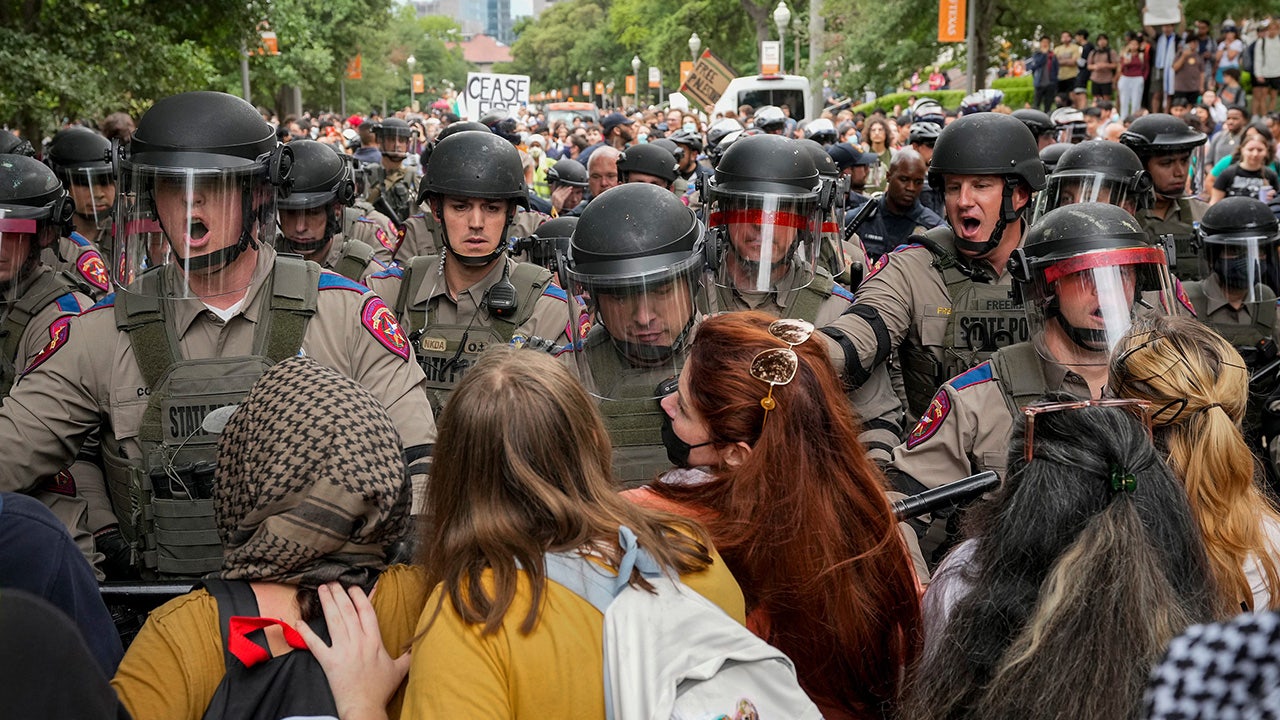
Professor Foad Izadi from the University of Tehran expressed his appreciation for protests on U.S. college campuses, stating that Iran views those protesters as their supporters in the event of a conflict between the two countries. In an interview, Izadi emphasized the importance of demonstrations on American campuses to diminish support for the Zionist regime, while highlighting the role of the Islamic Republic in supporting the Palestinian cause. He also mentioned that American students who participate in these protests are seen as Iran’s people, who would support the country in times of heightened tensions between the U.S. and Iran.
Izadi, speaking as a member of the Islamic Republic, mentioned that Hezbollah-style groups in the U.S. are much larger than those in Lebanon, and pointed to America as the Great Satan and Iran’s main enemy. Despite the hostile relationship between the two countries, he expressed hope in the support Iran receives from certain groups within the U.S. Furthermore, he highlighted the significance of resistance ideology and the role of these groups in promoting Iran’s interests abroad. Lisa Daftari, an Iran expert, commented on Izadi’s statements, criticizing Iran for its harsh treatment of its own citizens while applauding American college protesters for their support of the regime.
Daftari pointed out that Iran has been increasing its influence through terror proxies and attempts to infiltrate American universities, despite the suffering endured by the Iranian people under their oppressive leaders. She also noted Izadi’s claim about having more Hezbollah followers in the U.S. than in Lebanon, raising concerns about the regime’s intentions to leverage this momentum for potential attacks in the West. Daftari questioned whether Iran would focus on launching physical attacks or engage in an information war, or potentially both, moving forward in their efforts to expand their influence globally.
Overall, Izadi’s statements shed light on the complex relationship between Iran and the U.S., highlighting the role of American college protesters as potential allies of the Islamic Republic in times of conflict. Despite the antagonistic views held by both countries towards each other, Iran sees an opportunity in cultivating support among certain groups within the U.S. to advance their own interests. The comments made by Izadi, as analyzed by experts like Lisa Daftari, underscore the multifaceted nature of Iran’s strategy to increase its influence globally, while also reflecting on the challenges faced by the Iranian people under their oppressive regime. The implications of these statements raise questions about the potential threats posed by Iran’s growing presence in the West and the possible strategies they may employ to further their agenda.