




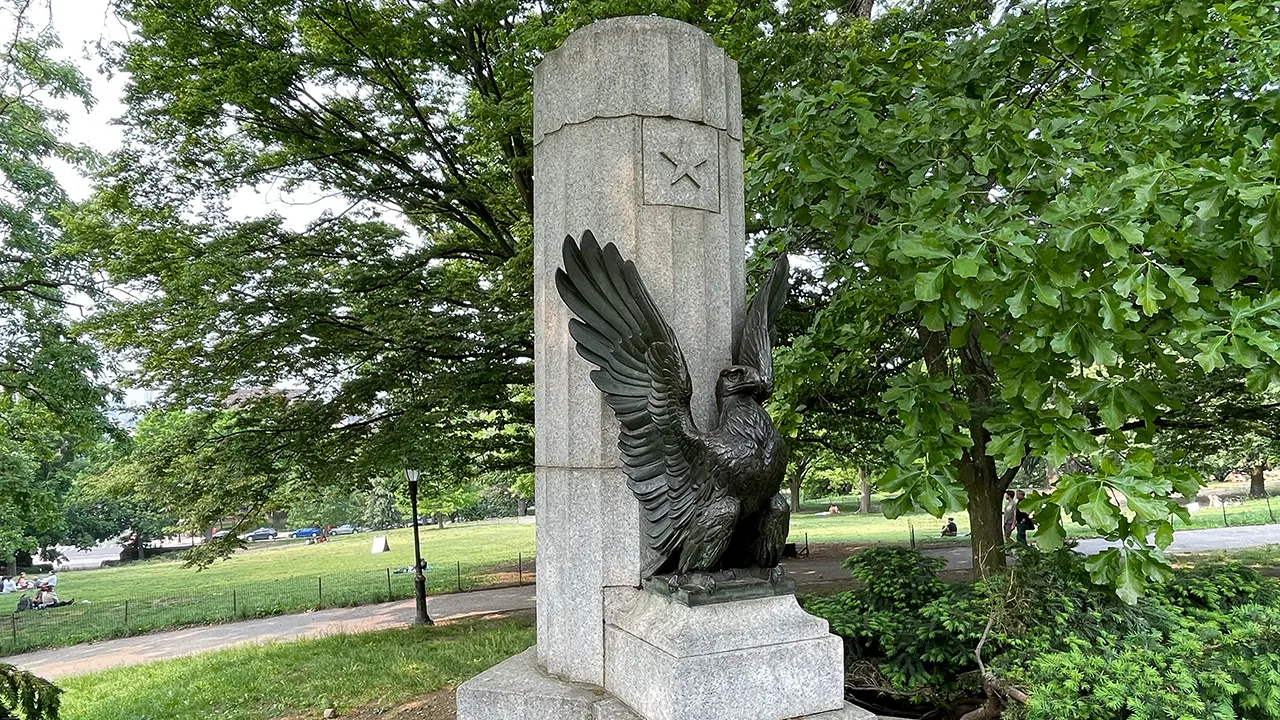
The Prison Ship Martyrs Monument in Brooklyn, New York, serves as a chilling testimony to the human suffering endured by American patriots during the Revolutionary War. Dedicated to the approximately 11,500 soldiers, sailors, and privateers who perished in British prison ships on the East River, the monument stands as a somber reminder of the sacrifices made for American independence. Many of these patriots are buried in a crypt below the monument, their identities known only to God. The conditions aboard the prison ships were horrific, with prisoners facing starvation, disease, and brutal treatment from British officers.
Thousands of American and allied soldiers died on British prison ships during the Revolutionary War, with more perishing in captivity than in combat. Offered release if they renounced American independence and pledged loyalty to the Crown, none of the prisoners accepted. The emaciated and diseased martyrs were either thrown overboard or buried in shallow graves without ceremony or recognition for their sacrifice. The monument, dedicated in 1908 by President William Howard Taft, serves as a solemn tribute to the bravery and resilience of these individuals, with some historians comparing its significance to the Tomb of the Unknown Soldier at Arlington National Cemetery.
The Prison Ship Martyrs Monument also commemorates the sacrifices of allied soldiers from countries such as France, Netherlands, and Spain who died aboard British prison ships. The international nature of the conflict for American independence is often overlooked, with historians emphasizing the global scale of the Revolution. Professor Cole Jones, author of “Captives of Liberty,” highlights the fact that the fight for independence was a world war fought across oceans and continents. The monument stands as a reminder of the interconnectedness of nations in the struggle for freedom.
The remains of the prison ship martyrs were discovered due to erosion and were later gathered by grateful local residents for proper burial. Initially interred near Wallabout Bay in Brooklyn, the martyrs’ final resting place is now marked by the Prison Ship Martyrs Monument in Fort Greene Park. The former site of Fort Putnam, renamed in honor of General Nathaniel Greene during the War of 1812, was transformed into a public park with the help of Walt Whitman and landscape architects Olmstead and Vaux. The monument, designed by McKim, Mead, and White, was restored in 2008 to commemorate the centennial of its dedication.
The monument column, topped by a brass lantern, once housed an eternal flame but is now illuminated by electric lights at night. Fort Greene Park today serves as a public space for various activities, with visitors enjoying recreational pursuits and relaxation beneath the monument. Despite its peaceful surroundings, the monument serves as a solemn reminder of the suffering endured by the martyrs, whose sacrifice played a crucial role in securing American independence. The brave patriots who endured unimaginable hardships on the prison ships deserve to be remembered for their unwavering dedication to the cause of freedom.
The story of the prison ship martyrs is a testament to the resilience and courage of those who fought for American independence. Their sacrifices, along with those of allied soldiers, highlight the global significance of the Revolutionary War and the interconnectedness of nations in the pursuit of freedom. The Prison Ship Martyrs Monument stands as a powerful symbol of remembrance, honoring the memory of those who perished in the service of their country. Visitors to Fort Greene Park are invited to reflect on the sacrifices made by these unknown heroes, whose legacy continues to inspire reverence and gratitude.