


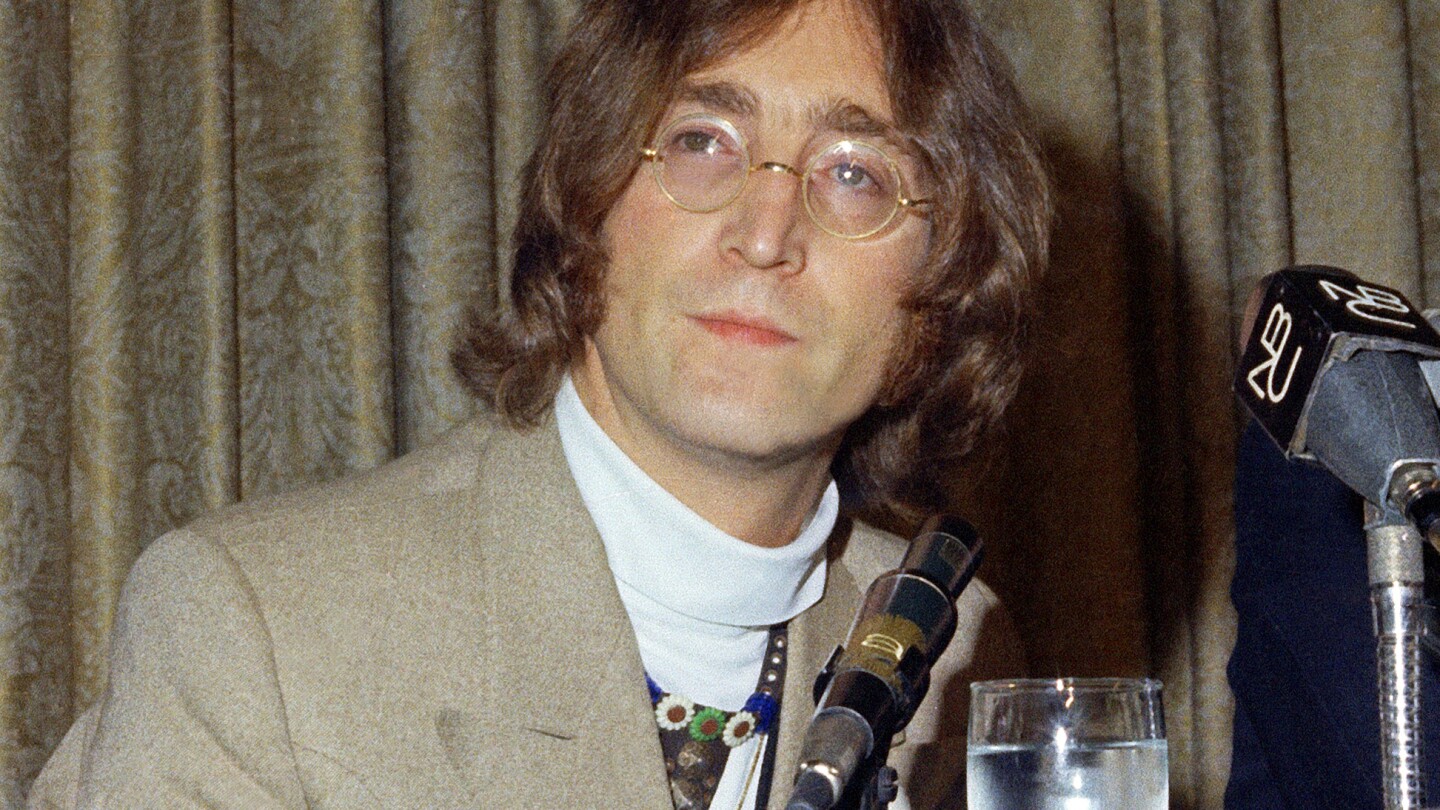
The Polish state broadcaster has suspended a television journalist, Przemyslaw Babiarz, for his comments during the Olympic Games opening ceremony in reaction to John Lennon’s song “Imagine.” Babiarz described the song as a “vision of communism,” which sparked controversy among viewers in Poland. TVP, the broadcaster, announced Babiarz’s suspension, stating that he would not be allowed to comment on air during the summer Games. The decision was made in line with the values of mutual understanding, tolerance, and reconciliation, which are fundamental to the Olympics and the standards of the new Polish Television.
State media in Poland has been a battleground for ideological conflict for years, with right-wing populists controlling it from 2015-23. Prime Minister Donald Tusk, a centrist politician, swiftly acted to remove their influence over the airwaves following his coalition’s rise to power in December. Conservatives and their allies, including President Andrzej Duda and former Prime Minister Mateusz Morawiecki, criticized the decision to suspend Babiarz. Morawiecki denounced the move as censorship and expressed confidence that the truth would prevail. Some commentators on the political left deemed the punishment too severe, highlighting the ongoing divisions within Polish society.
Poland’s history as a country under Soviet-imposed communist rule from the end of World War II until 1989 fuels strong emotions surrounding the topic. The mention of communism in Babiarz’s comments struck a chord with many Poles, who still have vivid memories of that era. Additionally, the controversy surrounding the mixing of LGBTQ+ themes with a Last Supper tableau during the opening ceremony further polarized conservative voices in Poland. The clash of differing viewpoints on social and political issues demonstrates the ongoing struggle for unity and understanding within the country.
The decision by TVP to suspend Babiarz reflects a commitment to upholding certain values, including respect for diversity and inclusivity, which are essential to the Olympic spirit. However, the backlash from various political factions in Poland underscores the deep-seated divisions that continue to shape public discourse in the country. The role of the media, particularly state broadcasters, remains a contentious issue, with different groups vying for control over narratives and messaging. As Poland navigates its post-communist era and grapples with changing societal norms, the debates surrounding freedom of speech and censorship are likely to persist.
The suspension of Babiarz and the subsequent reactions highlight the complex dynamics at play within Polish society, where historical traumas and contemporary political tensions intersect. The legacy of communism, coupled with ongoing cultural and social changes, contribute to a charged atmosphere where even seemingly innocuous remarks can trigger intense reactions. As Poland seeks to reconcile its past with its present, the role of media in shaping public perceptions and fostering dialogue becomes increasingly critical. The case of Przemyslaw Babiarz serves as a microcosm of the broader challenges facing the country as it navigates a path towards greater unity and understanding.