





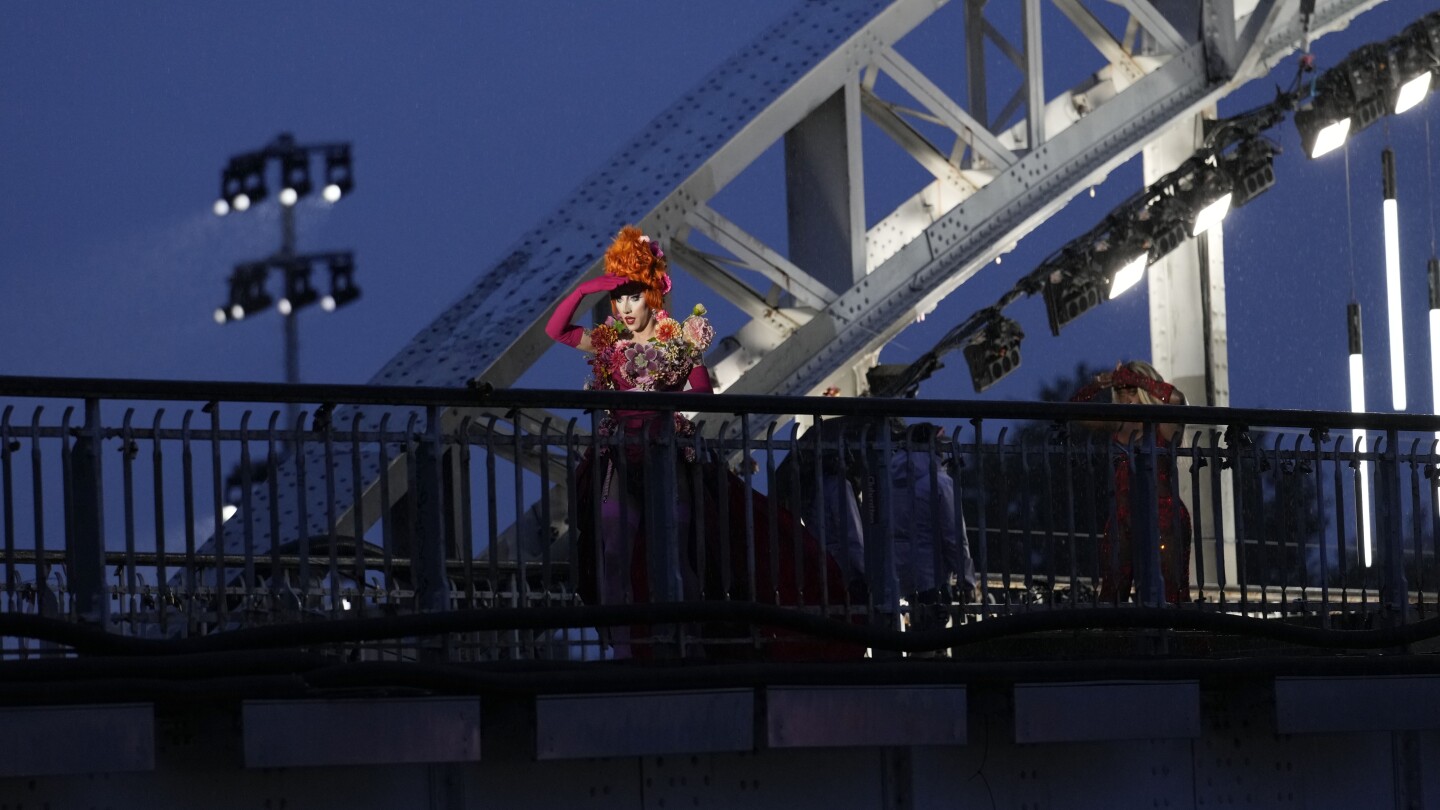
Paris Olympics organizers have issued an apology to those who were offended by a tableau that evoked Leonardo da Vinci’s “The Last Supper” during the opening ceremony. The scene featured drag artists and dancers alongside DJ Barbara Butch, who is an LGBTQ+ icon. Religious conservatives worldwide criticized the segment, with the French Catholic Church and the Russian Foreign Ministry expressing disapproval. The Anglican Communion in Egypt also voiced regret, fearing that the ceremony could dilute the humanitarian message of the Olympics.
Despite the backlash, the artistic director of the ceremony, Thomas Jolly, defended the concept behind the scene, stating that it was meant to celebrate diversity and pay tribute to French gastronomy. Paris 2024 spokesperson Anne Descamps addressed the criticism during an IOC news conference, emphasizing that there was no intention to disrespect any religious group. She expressed regret for any offense caused and highlighted the ceremony’s aim to foster community tolerance. Descamps referenced the positive response to the scene in polls conducted after the event, suggesting that the organizers’ intentions were ultimately successful.
Following the ceremony, Jolly clarified his intentions, emphasizing that he did not intend to be subversive or divisive. He explained that his message was one of love and inclusion, rather than mockery or shock. While the segment drew controversy from various religious groups, Jolly reiterated his focus on promoting unity and acceptance through the artistic portrayal. The sentiments expressed by Jolly and Descamps reflect a desire to convey a message of positivity and unity amid differing interpretations of the ceremony.
The outcry over the “Last Supper” tableau highlights the complex intersection of art, culture, and religion in the context of a globally televised event like the Olympics. The incident underscores the importance of sensitivity and respect when incorporating religious themes into public performances. Despite differing opinions on the appropriateness of the scene, the organizers’ commitment to promoting diversity and tolerance remains a central theme in their response to the controversy. Moving forward, the incident may spark discussions about artistic expression and religious imagery in large-scale events, prompting a reexamination of how cultural references are presented to diverse audiences.
As the Paris Olympics continue, the focus on athletic excellence and international cooperation persists alongside the conversation surrounding the opening ceremony. The controversy surrounding the religious-themed tableau serves as a reminder of the complexities involved in hosting a global event that reflects diverse perspectives and beliefs. While the intentions of the organizers may have been rooted in inclusivity and celebration, the reaction from religious groups highlights the need for ongoing dialogue and reflection on the intersection of art, culture, and faith in the public sphere. The incident may ultimately contribute to a broader conversation about the role of symbolism and representation in large-scale events, with implications for future ceremonies and performances.