




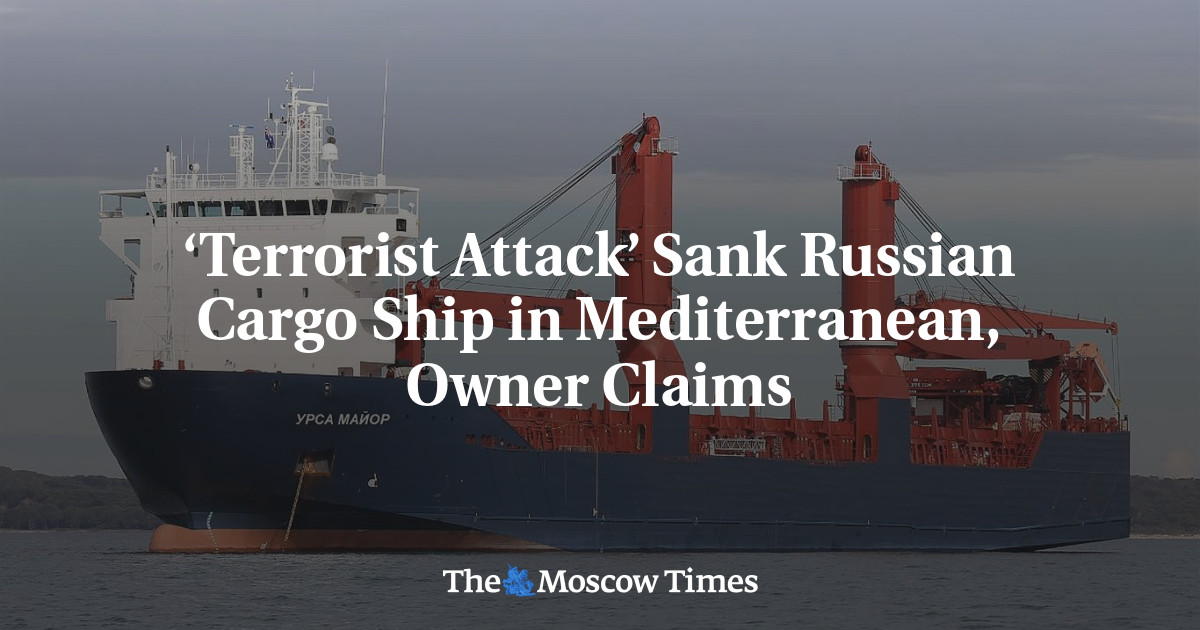
A Russian cargo ship, the Ursa Major, sank in the Mediterranean Sea after a suspected terrorist attack on December 23, 2024. The ship, owned by the state-owned company Oboronlogistika, sent a distress call for help the day before and subsequently sank in international waters off the coast of Spain due to three consecutive explosions. The company believes that the sinking was a targeted terrorist attack but did not provide any concrete evidence to support this claim. The Russian Foreign Ministry’s crisis unit stated that the ship sank after an explosion in the engine room and that 14 crew members were rescued, with two still missing.
Following the sinking of the Ursa Major, the Russian Investigative Committee opened an investigation into possible maritime transport security regulations violations. This incident comes just days after a Russian tanker carrying fuel oil sank in a strait between Crimea and southern Russia, causing a major oil spill. The Ursa Major, a general cargo ship owned by a subsidiary of Oboronlogistika, sent a distress call off the coast of southeastern Spain in bad weather, leading to rescue operations by Spanish authorities. A Russian warship arrived to take charge of the rescue operation as the ship was in international waters between Spain and Algeria.
The sinking of the Ursa Major adds to the recent maritime incidents involving Russian vessels and raises concerns about the security and safety of Russian ships operating in international waters. The lack of solid evidence supporting the terrorist attack claim by Oboronlogistika and the Russian government leaves room for speculation about the true cause of the sinking. The involvement of the Investigative Committee in investigating possible security violations indicates the seriousness of the incident and the need to determine the factors leading to the sinking of the vessel.
The sinking of the Ursa Major highlights the vulnerability of commercial shipping vessels to security threats in the Mediterranean Sea and calls for enhanced security measures to protect crew members and cargo. The coordinated rescue operation by Spanish authorities and the subsequent arrival of a Russian warship demonstrate the importance of international cooperation in maritime emergencies. The ongoing investigations into the sinking of the vessel will be crucial in understanding the circumstances that led to the incident and preventing similar occurrences in the future.
As the investigation into the sinking of the Ursa Major continues, the Russian government, maritime authorities, and international organizations will need to work together to ensure the safety and security of commercial shipping in the region. The incident serves as a reminder of the risks involved in maritime transport and the need for robust security measures to protect vessels from potential threats. The repercussions of the sinking of the Ursa Major extend beyond the loss of the ship itself and highlight the broader challenges faced by the maritime industry in maintaining safety and security in a complex and dynamic environment.