




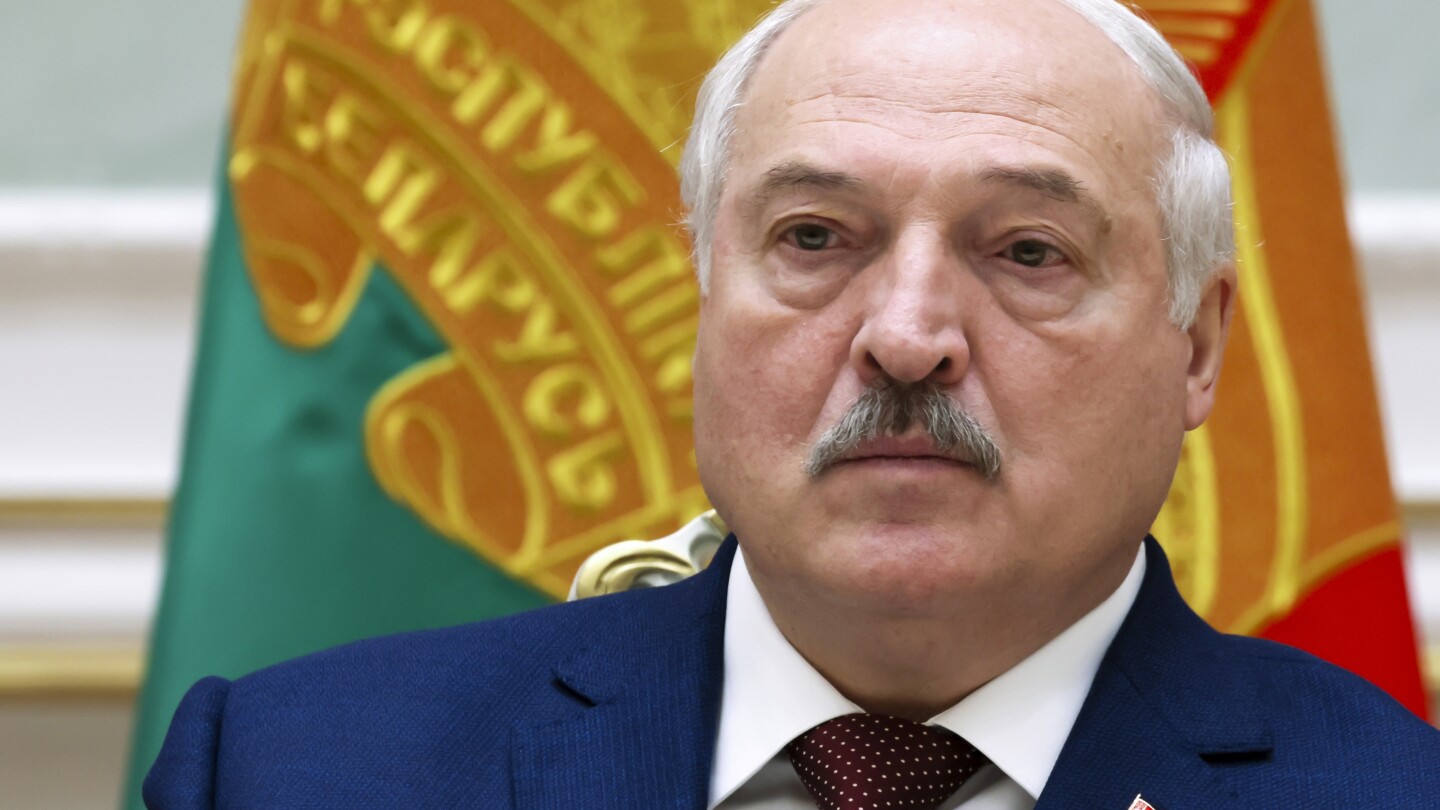
Viachorka’s sentencing is just one example of the ongoing crackdown on dissent in Belarus, where President Lukashenko has been in power since 1994. The disputed 2020 presidential election sparked mass protests and a brutal response from authorities, leading to the arrest of thousands of people, including opposition figures. Nobel Peace Prize laureate Ales Bialiatski, founder of the Viasna human rights organization, was among those imprisoned. The opposition and the West have denounced Lukashenko’s reelection as rigged, sparking widespread condemnation.
The sentencing of Viachorka highlights the lengths to which the Lukashenko regime is willing to go to silence dissent and consolidate power. Despite living in exile in Lithuania, Viachorka was convicted of charges including treason and insulting the president in a trial that he described as a “farce.” His request to testify via videolink was denied, further underscoring the lack of due process in Belarusian courts. The international community has condemned the sentencing of Viachorka and called for his release, but it remains to be seen whether Lukashenko will heed these calls.
The crackdown on dissent in Belarus has drawn widespread criticism from human rights organizations and foreign governments, with many calling for targeted sanctions against the regime. The European Union and the United States have imposed multiple rounds of sanctions on Belarus in response to the post-election crackdown, targeting individuals and entities involved in human rights abuses and electoral fraud. Despite these measures, Lukashenko has shown no signs of backing down, and the sentencing of Viachorka only serves to underscore the regime’s determination to crush opposition voices.
The sentencing of a top opposition figure like Viachorka in absentia is a clear attempt by the Lukashenko regime to intimidate and silence dissenters, both inside the country and abroad. By targeting key figures in the opposition movement, the regime aims to weaken and demoralize its opponents, making it harder for them to organize and resist. However, as demonstrated by the mass protests that followed the disputed election, the Belarusian people remain determined to fight for their rights and demand change, despite the risks and consequences they face.
The international community must continue to pressure the Lukashenko regime to respect human rights, release political prisoners, and engage in genuine dialogue with the opposition. The sentencing of Viachorka and others in absentia should serve as a wake-up call to the world about the deteriorating situation in Belarus and the need for concerted action to hold the regime accountable for its repression. As long as dissent is met with brutality and impunity, the prospects for a peaceful and democratic transition in Belarus will remain elusive, leaving its people to suffer under an increasingly authoritarian regime.