





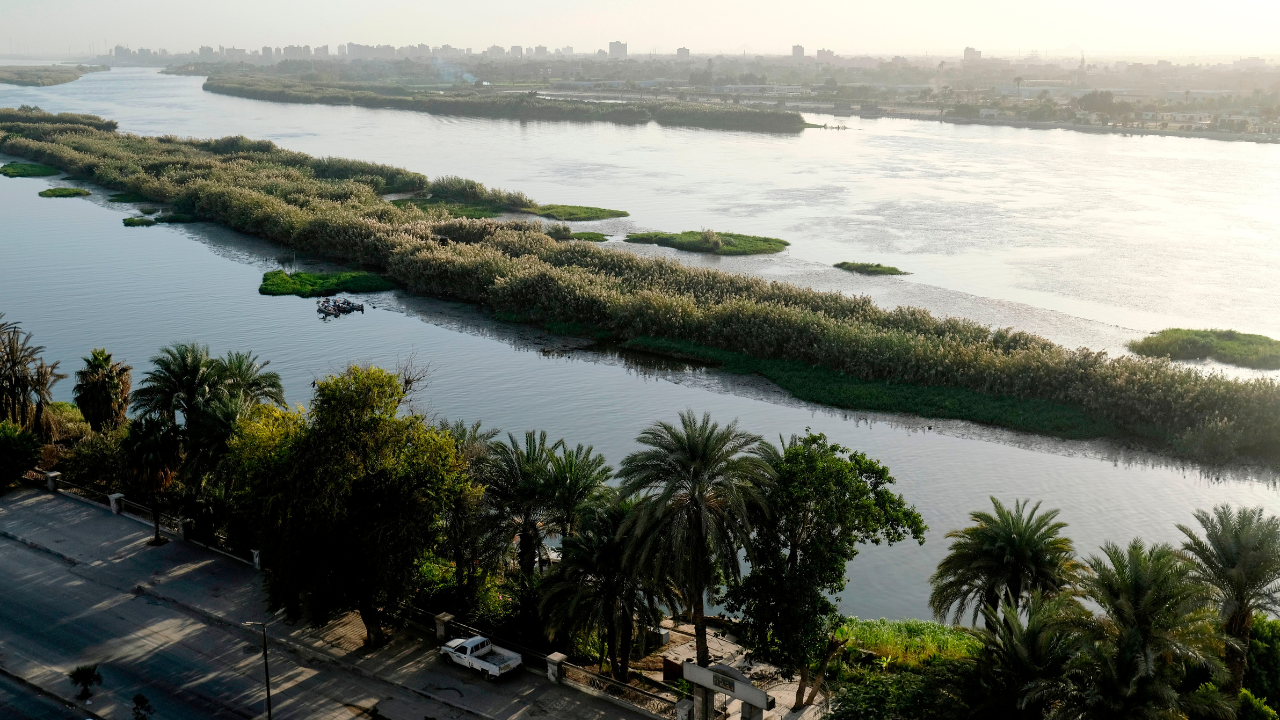
On Tuesday, a tragic accident near Cairo resulted in the deaths of six people and injuries to nine others when a vehicle carrying approximately 24 passengers slipped off a ferry and fell into the Nile River in Giza province. The incident took place in Monshat el-Kanater town, with six of the injured passengers receiving treatment on-site and three others being transferred to hospitals for further care. The cause of the accident was not immediately clear, and rescue efforts were ongoing at the time of the incident. According to reports, the passengers in the vehicle were mostly women heading to work when the accident occurred.
The Health Ministry in Egypt confirmed the deaths of six Egyptian women in the accident, as well as the injuries sustained by nine other passengers. Giza provincial Gov. Ahmed Rashed reported that the vehicle involved in the incident had been retrieved from the Nile, and rescue operations were still ongoing as of midday on Tuesday. The ministry indicated that six of the injured passengers were treated at the site of the accident, while three others were taken to hospitals for further medical attention. Giza, one of the provinces that make up Greater Cairo, has seen several tragic incidents in recent months, highlighting the need for improved safety measures in transportation.
Ferry, railway, and road accidents are unfortunately common in Egypt, often attributed to poor maintenance, lack of regulations, and overcrowding. In February of the same year, a ferry carrying day laborers sank in the Nile in Giza, resulting in the deaths of at least 10 out of the 15 people on board. These incidents underscore the urgency of enhancing safety standards in Egypt to prevent further tragedies and ensure the well-being of passengers and commuters. As authorities continue to investigate the cause of the recent accident near Cairo, there is a growing call for improved infrastructure and stricter enforcement of safety protocols to prevent similar incidents in the future.
The tragic accident near Cairo serves as a stark reminder of the dangers faced by passengers and commuters in Egypt due to inadequate safety measures in transportation. With six people losing their lives and several others sustaining injuries in the incident, there is a pressing need for authorities to address the underlying issues that contribute to such accidents. The incident involving the ferry and the vehicle falling into the Nile River has brought attention to the risks associated with travel in Egypt and the importance of ensuring the safety of passengers. As rescue efforts continue and investigations into the cause of the accident proceed, there is a renewed emphasis on implementing measures to prevent similar tragedies from occurring in the future.
The Egyptian government must prioritize transportation safety and take proactive steps to prevent accidents like the recent one near Cairo from happening again. Improving maintenance standards, enforcing regulations, and addressing overcrowding on ferries and other modes of transportation are crucial steps to safeguarding the lives of passengers and commuters. By investing in infrastructure upgrades and training personnel in safety protocols, authorities can reduce the likelihood of accidents and minimize the impact of any incidents that do occur. As the families of the victims mourn their loss and the injured passengers recover from their injuries, there is a collective call for accountability and decisive action to enhance transportation safety in Egypt.
In the wake of the tragic accident near Cairo, there is a somber reflection on the lives lost and the impact on the community as a whole. The incident serves as a wake-up call for authorities to prioritize safety in transportation and work towards preventing future accidents. By addressing the root causes of such incidents, implementing effective safety measures, and holding accountable those responsible for lapses in regulations, Egypt can create a safer environment for passengers and commuters. As the nation mourns the loss of the six individuals who perished in the accident, there is a shared commitment to ensuring that their deaths are not in vain and that steps are taken to prevent similar tragedies in the future.