






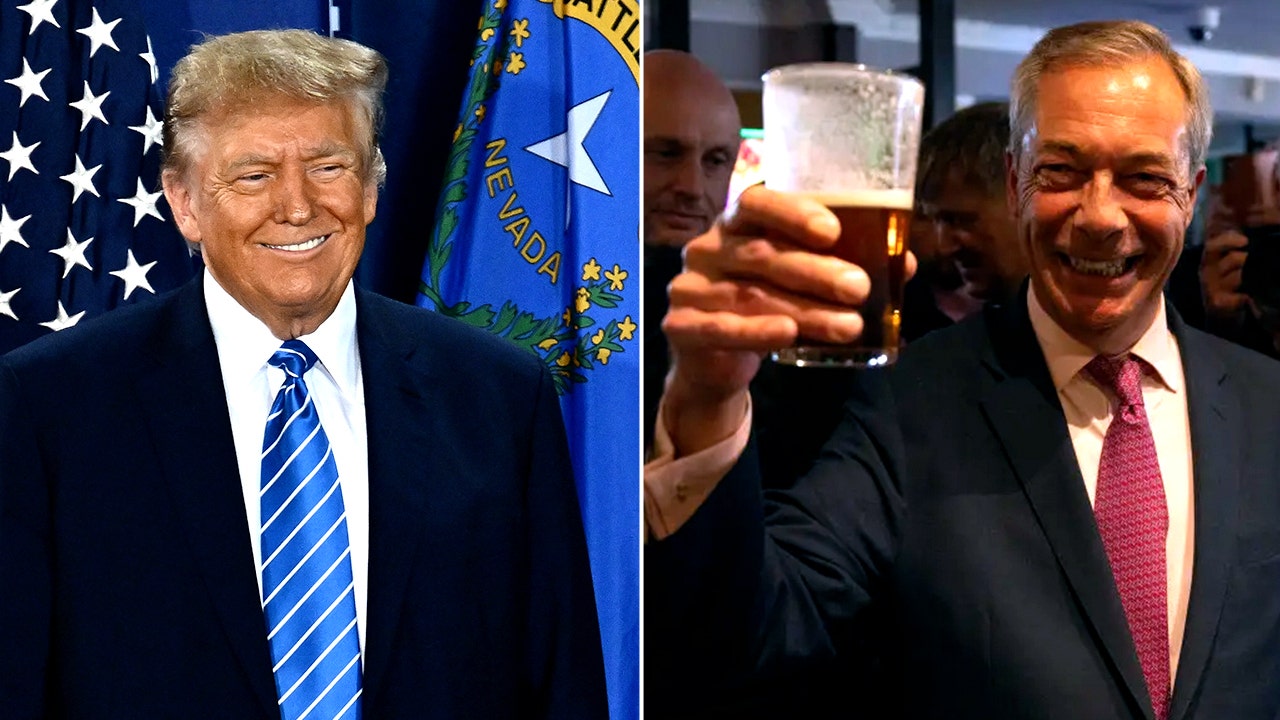
Nigel Farage, a maverick populist leader, has returned to frontline politics by launching the Reform UK party and announcing his candidacy for the upcoming general election in the seaside town of Clacton-on-Sea on July 4. Farage, who led the successful Brexit campaign, expressed his motivation to “make Britain great again” and criticized the current leadership of the Labour and Conservative parties. His comeback comes after nearly five years away from political campaigning since the 2016 referendum that saw Britain vote to leave the European Union.
Farage’s political comeback has caused disruption in the Conservative Party’s election campaign, as the Reform UK party is trailing behind the Conservative party by just two points in recent polls. Analysts speculate that Reform UK may soon overtake the Conservatives as the country’s second most popular political party, with the Labour Party led by Keir Starmer expected to receive the majority of the votes. Farage’s focus on issues such as immigration and patriotism, along with criticism of the Conservative Party’s handling of these issues, has attracted support from those disillusioned with the current government.
Reform UK’s stance on immigration, proposing a “one in, one out” migration quota and increased taxes on foreign employees, has highlighted their aggressive approach to this issue in contrast to the Conservatives’ promises to curb immigration and reduce net migration levels. The party’s rise represents a significant challenge to the Conservative Party’s dominance as the country’s premier right-wing political force, pushing the party further to the right and reshaping its policies. Farage’s previous pro-Brexit political party, UKIP, also influenced Conservative policies during the Brexit campaign in 2016.
Despite projections that Reform UK may only secure four seats in the new Parliament due to Britain’s first-past-the-post electoral system, the party’s impact on splitting the right-leaning vote is expected to contribute to the Conservatives’ electoral defeat, favoring Labour Party candidates. Farage’s decision not to engage in a similar deal with the Conservatives as he did in the 2019 election shows his determination to challenge the existing political establishment and pursue his own agenda. In Clacton, a town known for its support of right-leaning candidates, Farage faces tough competition against his Conservative rival Giles Watling in his eighth attempt to win a seat in Parliament.
Farage’s return to politics has invigorated debates around key issues such as immigration, patriotism, and the direction of the Conservative Party. His ability to attract support from voters disillusioned with traditional party leadership is seen as a significant factor in reshaping the political landscape in Britain. The upcoming general election on July 4 will serve as a test of Farage’s influence and the impact of Reform UK on the country’s political future. Whether Farage’s party can disrupt the established dominance of the Conservative Party and reshape the right-wing political landscape remains to be seen.