




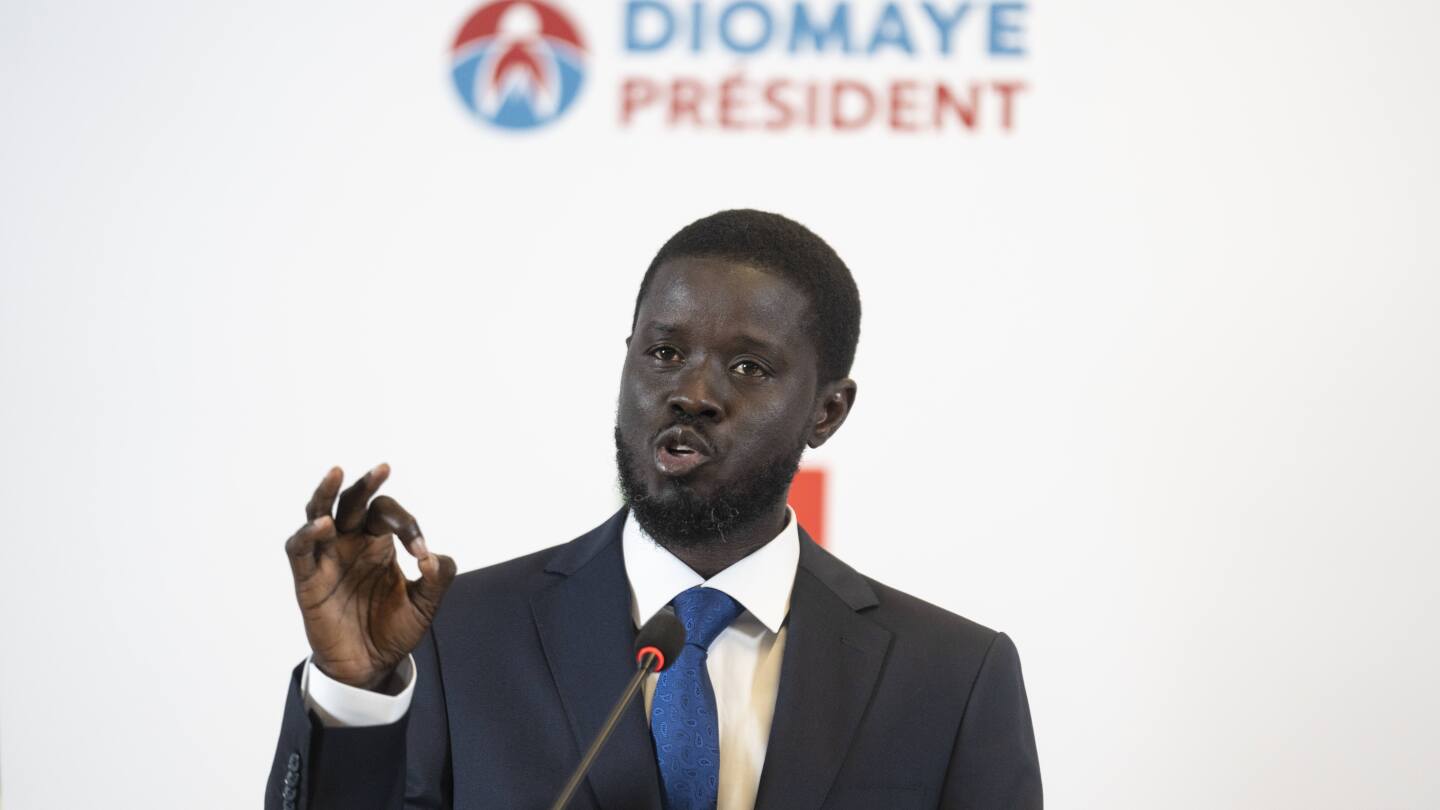
Senegal has elected a new president, Bassirou Diomaye Faye, a former tax inspector and political newcomer who vowed to fight corruption and reform the economy. Faye, backed by popular opposition leader Ousmane Sonko, was released from prison less than two weeks before the election and is set to become the youngest leader of the West African nation. Celebrations erupted in the capital following his victory, with citizens expressing hope in his ability to bring about change, particularly for the youth who face high levels of unemployment.
The other front-runner, former Prime Minister Amadou Ba, conceded defeat based on preliminary results, as did incumbent President Macky Sall. The election followed months of unrest triggered by the arrests of Sonko and Faye, amid concerns about a potential third term for Sall. The violence that ensued tarnished Senegal’s stable democracy reputation, with dozens killed and many jailed. Despite Sall’s efforts to delay the election, it was ultimately held this month, resulting in Faye’s unexpected win as an anti-establishment candidate with promises of economic reform and anti-corruption measures.
Faye’s campaign resonated with the youth, with almost a third of them unemployed and facing challenges in finding effective opportunities for advancement. He has pledged to improve Senegal’s control over its natural resources, renegotiate oil and gas contracts, and introduce a new currency. While Faye has outlined some foreign policy priorities, such as reforming ECOWAS and potentially moving away from France’s influence, analysts suggest that financial constraints and parliamentary dynamics may limit the extent of his pledges. His promise to quit the CFA currency and renegotiate contracts could face challenges and impact foreign investment in Senegal.
The peaceful nature of the election and the overwhelming support for the opposition signaled a shift in Senegal’s political landscape, with Faye’s victory bringing hope for change and progress. As a practicing Muslim from a small town in central Senegal, Faye has presented his assets openly and called for transparency from other candidates. His background as a tax inspector and association with Sonko’s party PASTEF have positioned him as a figure dedicated to integrity and reform. While Faye acknowledged Sonko’s role in his victory, it remains to be seen how their relationship will influence his governance and policy decisions.
Faye’s presidency marks a new chapter for Senegal, with expectations high for economic revitalization and curbing corruption. His pledge to rebuild institutions and fight corruption resonates with citizens, especially the young population eager for opportunities and progress. As the youngest leader in the country’s history, Faye faces challenges in navigating domestic and foreign policy issues, including tensions with Sonko’s push for sovereignty. However, his commitment to transparency and reform has instilled confidence in the population, with the hope that Senegal can emerge as a beacon of stability and development in the region.