



Close Menu
West TimelinesWest Timelines
  • News
  • Politics
  • World
    • Africa
    • Asia
    • Australia
    • Europe
      • United Kingdom
      • Germany
      • France
      • Italy
      • Russia
      • Spain
      • Turkey
      • Ukraine
    • North America
      • United States
      • Canada
    • South America
  • Business
    • Finance
    • Markets
    • Investing
    • Small Business
    • Crypto
  • Elections
  • Entertainment
  • Health
  • Lifestyle
    • Fashion
    • Food & Drink
    • Travel
    • Astrology
  • Weird News
  • Science
  • Sports
    • Soccer
  • Technology
  • Viral Trends
Trending Now

Dubai Spotlight: Analyzing the Evolving Audience Tastes with AI Social Listening Tools in the UAE

2 weeks ago

مرآة التاريخ: تحليل البناء السردي للدروس الخالدة في قصص الأنبياء والإسلام

3 weeks ago

السندات الحكومية والشركات: أساسيات الاستثمار الآمن والدخل الثابت

4 weeks ago

UAE Ranks Among Top Rugby Markets on TOD as British & Irish Lions Tour Kicks Off

5 months ago

Darven: A New Leap in AI-Powered Legal Technology Launching from the UAE to the World

5 months ago
Facebook X (Twitter) Instagram
West TimelinesWest Timelines
  • News
  • US
  • #Elections
  • World
    • North America
      • United States
      • Canada
    • Europe
      • United Kingdom
      • Germany
      • France
      • Italy
      • Spain
      • Ukraine
      • Russia
      • Turkey
    • Asia
    • Australia
    • Africa
    • South America
  • Politics
  • Business
    • Finance
    • Investing
    • Markets
    • Small Business
    • Crypto
  • Lifestyle
    • Astrology
    • Fashion
    • Food & Drink
    • Travel
  • Health
  • Sports
    • Soccer
  • More
    • Entertainment
    • Technology
    • Science
    • Viral Trends
    • Weird News
Subscribe
  • Israel War
  • Ukraine War
  • United Kingdom
  • Canada
  • Germany
  • France
  • Italy
  • Russia
  • Spain
  • Turkey
  • Ukraine
West TimelinesWest Timelines
Home»Science
Science

New Study in Mice Suggests a Promising Treatment for Spinal Cord Injuries

September 25, 2024No Comments2 Mins Read
Facebook Twitter Pinterest LinkedIn Telegram Email WhatsApp Copy Link

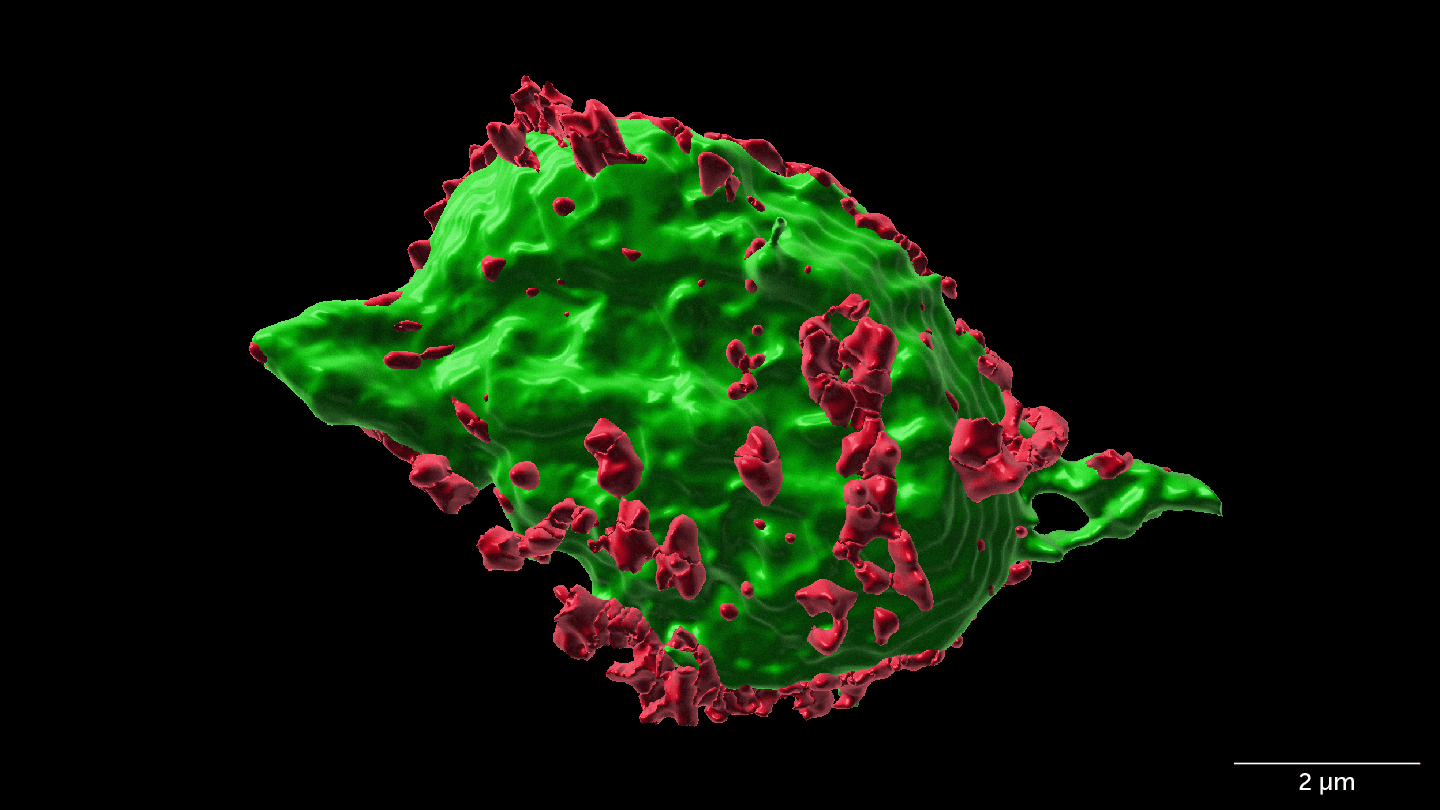
A study published in Science Translational Medicine shows that mice with spinal cord injuries experience neuron swelling, with some cells staying swollen longer than expected and eventually dying. The details of this process were previously unknown, but the study sheds light on the timeline and consequences of cell swelling in the spinal cord. Researchers, led by Bo Chen at the University of Texas Medical Branch at Galveston, used genetic engineering, transparent spinal cord tissue, and machine learning to analyze the shapes of more than 30,000 neurons in the injured mice.

The study found that inhibitory neurons, which reduce other cells’ activity, swelled quickly after the injury, peaking at day two and returning to normal size by day 14. However, excitatory neurons, which increase other cells’ activity, displayed a different pattern. These cells swelled and remained enlarged for longer periods, with some staying swollen for up to 35 days. Additionally, more excitatory neurons died compared to inhibitory neurons, indicating a potential link between cell swelling and cell death in the spinal cord.

Researchers tested the drug bumetanide, commonly used to treat edema in humans, on the injured mice and found that it reduced cellular swelling and prevented cell death. Mice treated with bumetanide showed improved movement in their legs compared to those not given the drug. These results suggest that neuron swelling plays a significant role in spinal cord injuries, and targeting this process with drugs like bumetanide could be beneficial for recovery.

While the findings from the study are promising, more research is needed to understand how neuron swelling contributes to spinal cord injuries in humans. The effectiveness of bumetanide in treating spinal cord injuries in people also remains to be determined. Further studies will be essential to translate these preclinical findings into potential therapies for individuals with spinal cord injuries.

Led by neuroscientist Laura Sanders, the study highlights the importance of supporting science journalism and research, especially in critical areas like neuroscience. Strengthening scientific literacy and ensuring that decisions are based on scientific evidence are vital in addressing complex societal issues. Contributions to organizations like Science News and the Society for Science can help expand science understanding and promote informed decision-making based on rigorous scientific research.


Follow on Google News Follow on Flipboard
Share. Facebook Twitter Pinterest Email Telegram WhatsApp Copy Link

You Might Like

Array

Array

Array

Array

Array

Array

Editors Picks

مرآة التاريخ: تحليل البناء السردي للدروس الخالدة في قصص الأنبياء والإسلام

3 weeks ago

السندات الحكومية والشركات: أساسيات الاستثمار الآمن والدخل الثابت

4 weeks ago

UAE Ranks Among Top Rugby Markets on TOD as British & Irish Lions Tour Kicks Off

5 months ago

Darven: A New Leap in AI-Powered Legal Technology Launching from the UAE to the World

5 months ago

Jordan to Host Iraq in the Final Round of the Asian World Cup Qualifiers After Securing Historic Spot

6 months ago

Latest News

فلسطين: قلبٌ ينبض بالصمود والأمل

6 months ago

Roland Garros 2025: A New Era of Viewing, A Tribute to Legends, and Moments to Remember

7 months ago

Array

7 months ago
Advertisement
Facebook X (Twitter) TikTok Instagram Threads
© 2025 West Timelines. All Rights Reserved. Developed By: Sawah Solutions
  • Privacy Policy
  • Terms
  • Contact

Type above and press Enter to search. Press Esc to cancel.