



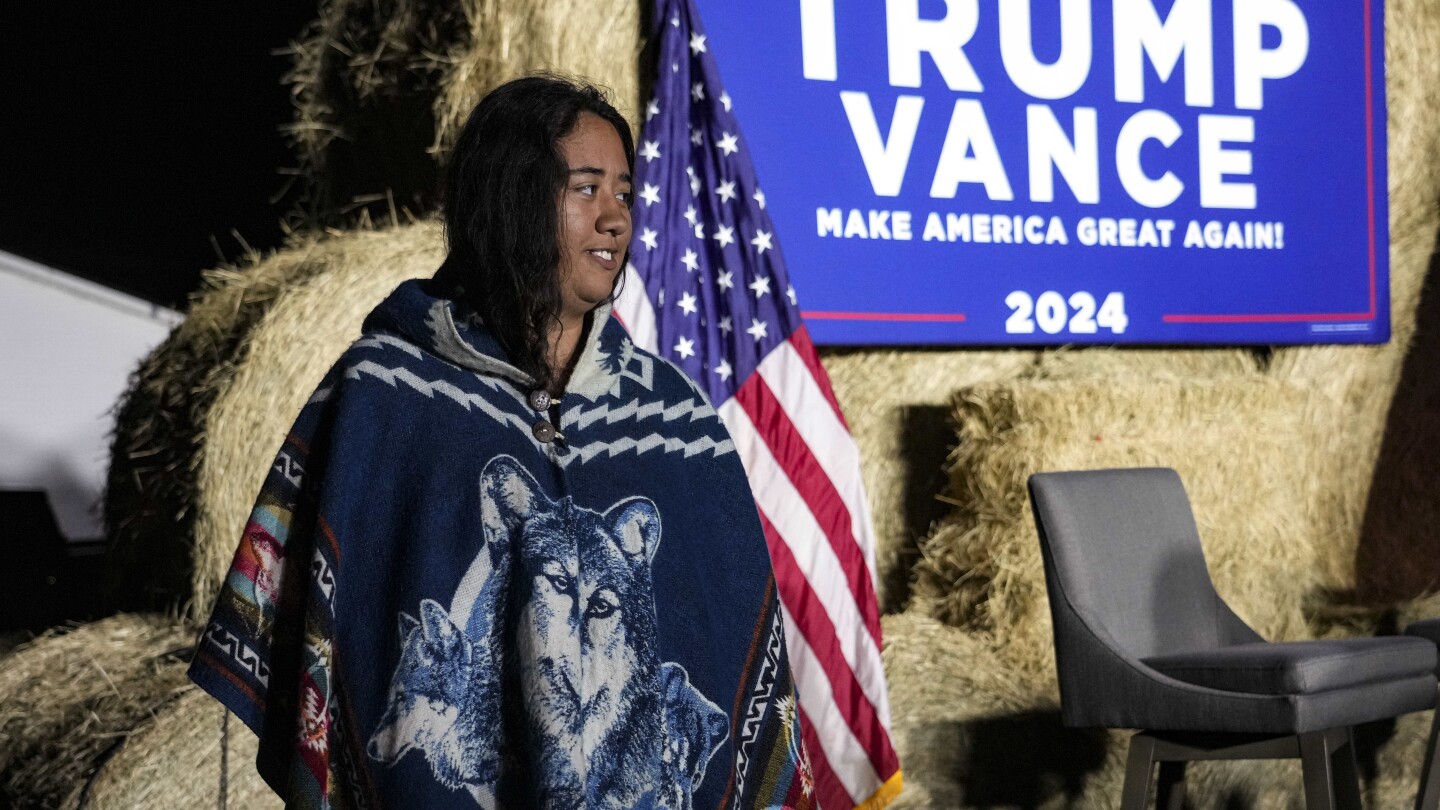
Despite being a decisive voting bloc in key states in the 2020 election, Native American communities remain a key target for both campaigns in the 2024 presidential race. With the campaigns of both Donald Trump and Kamala Harris making efforts to mobilize Native voters in the final weeks of the election, messaging has become crucial in appealing to this diverse demographic. According to Gabriel R. Sanchez of the Brookings Institution, Native American voters are one of the least partisan and youngest demographics in the country, often motivated by issues that directly impact their communities, such as land rights and environmental protections.
The Biden administration made significant efforts to campaign in tribal nations across critical states like Wisconsin and Arizona in the 2020 election, which led to precincts on tribal lands helping to tip the election for the Democrats. As part of a recent $370 million ad campaign, Vice President Kamala Harris emphasized the importance of honoring treaty rights and upholding tribal sovereignty. Crystal Echo Hawk, CEO of IllumiNative, a nonprofit organization, highlighted these commitments as well as the economy and environmental protections as top issues for Native voters. The lack of targeted messaging and outreach from the Trump campaign may pose a challenge, as Harris also stands to inherit goodwill from the previous Democratic administrations of Barack Obama and Joe Biden, who made efforts to consult with tribes on various matters.
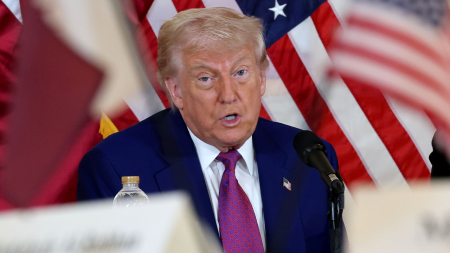
The Trump campaign has yet to release ads specifically targeting Native Americans, but Republican U.S. Sen. Markwayne Mullin, a citizen of the Cherokee Nation, has actively engaged with Native communities in states like North Carolina, a crucial swing state in the previous election. Mullin’s event in North Carolina featured Donald Trump Jr. and former Hawaii Rep. Tulsi Gabbard, who discussed a range of issues including the economy and tribal self-determination. The federal recognition of the Lumbee Tribe, a state-recognized tribe with about 55,000 members in North Carolina, has become a focal point for both campaigns, with Trump voicing support for granting them federal recognition and Harris engaging with the Lumbee tribal chairman on the matter.
Energy policy emerged as a point of contention between the two campaigns, with Mullin highlighting Trump’s policy as supporting increased energy extraction through the slogan “Drill, baby, drill.” While both the Biden and Trump administrations have pushed for more oil and gas production, some Indigenous leaders fear that Trump’s approach could further erode protections for tribal lands. Mullin advocated for greater tribal sovereignty in energy extraction and criticized federal intervention on tribal lands, drawing parallels between the fight for federal recognition of the Lumbee Tribe and the broader challenges faced by tribal nations in governing their own lands. While some Native voters like Robert Chavis Jr. supported Trump’s approach, others like Janice Locklear expressed concerns about the broader implications of Trump’s actions and favored Harris for her understanding of the unique challenges facing Native Americans.
The issue of federal recognition for the Lumbee Tribe remains contentious, with both campaigns engaging with the tribe and offering promises of support. As the election draws closer, the mobilization of Native American voters in key states like North Carolina, Arizona, and Wisconsin could once again play a crucial role in determining the outcome. The contrasting approaches of the Trump and Harris campaigns in engaging with Native communities highlights the diversity and complexity of Native American demographics and underscores the importance of addressing their issues in the political discourse. Ultimately, the 2024 election presents an opportunity for Native Americans to influence the outcome and shape the future of the country.