





Close Menu
West TimelinesWest Timelines
  • News
  • Politics
  • World
    • Africa
    • Asia
    • Australia
    • Europe
      • United Kingdom
      • Germany
      • France
      • Italy
      • Russia
      • Spain
      • Turkey
      • Ukraine
    • North America
      • United States
      • Canada
    • South America
  • Business
    • Finance
    • Markets
    • Investing
    • Small Business
    • Crypto
  • Elections
  • Entertainment
  • Health
  • Lifestyle
    • Fashion
    • Food & Drink
    • Travel
    • Astrology
  • Weird News
  • Science
  • Sports
    • Soccer
  • Technology
  • Viral Trends
Trending Now

RING LAUNCHES NEW AI-POWERED SMART VIDEO SEARCH IN THE UAE

3 weeks ago

Dubai Spotlight: Analyzing the Evolving Audience Tastes with AI Social Listening Tools in the UAE

2 months ago

مرآة التاريخ: تحليل البناء السردي للدروس الخالدة في قصص الأنبياء والإسلام

2 months ago

السندات الحكومية والشركات: أساسيات الاستثمار الآمن والدخل الثابت

2 months ago

UAE Ranks Among Top Rugby Markets on TOD as British & Irish Lions Tour Kicks Off

6 months ago
Facebook X (Twitter) Instagram
West TimelinesWest Timelines
  • News
  • US
  • #Elections
  • World
    • North America
      • United States
      • Canada
    • Europe
      • United Kingdom
      • Germany
      • France
      • Italy
      • Spain
      • Ukraine
      • Russia
      • Turkey
    • Asia
    • Australia
    • Africa
    • South America
  • Politics
  • Business
    • Finance
    • Investing
    • Markets
    • Small Business
    • Crypto
  • Lifestyle
    • Astrology
    • Fashion
    • Food & Drink
    • Travel
  • Health
  • Sports
    • Soccer
  • More
    • Entertainment
    • Technology
    • Science
    • Viral Trends
    • Weird News
Subscribe
  • Israel War
  • Ukraine War
  • United Kingdom
  • Canada
  • Germany
  • France
  • Italy
  • Russia
  • Spain
  • Turkey
  • Ukraine
West TimelinesWest Timelines
Home»Technology
Technology

NASA Developing Lunar Time Zone to Account for Microseconds in Space

October 18, 2024No Comments3 Mins Read
Facebook Twitter Pinterest LinkedIn Telegram Email WhatsApp Copy Link

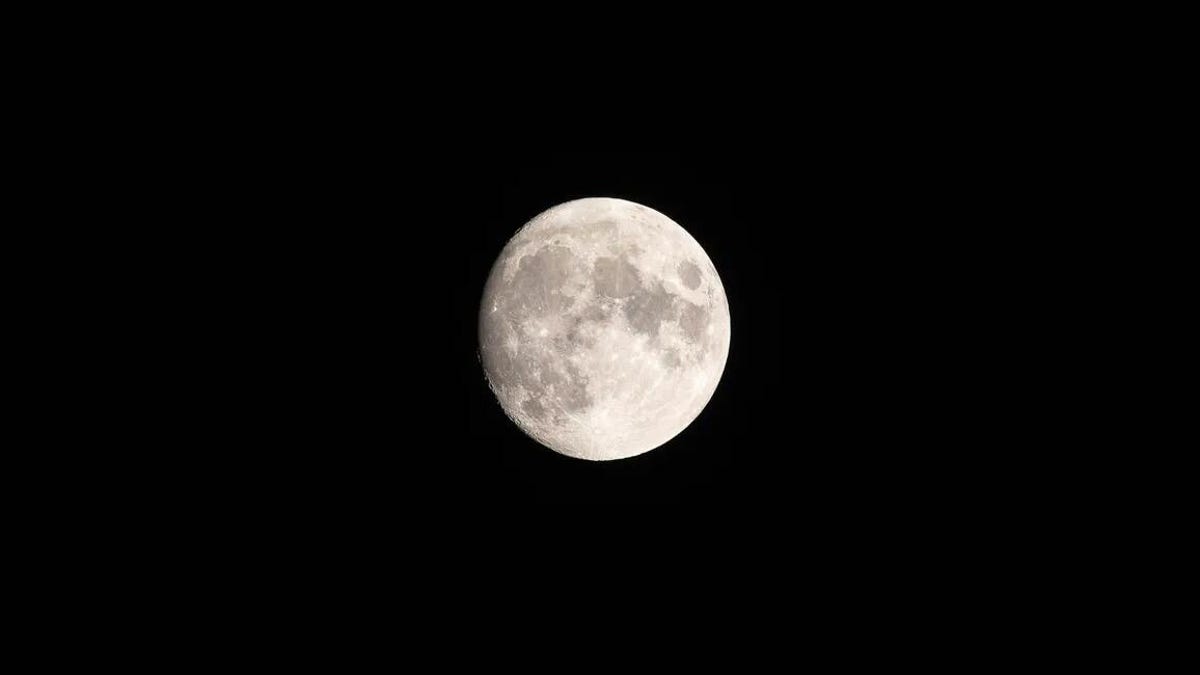
The Biden-Harris administration has requested NASA to establish a unique time zone for the moon to aid in precision calculations for upcoming moon missions. NASA has named this time zone Coordinated Lunar Time (LTC), which will be similar to Coordinated Universal Time (UTC) used on Earth. LTC will be determined by the weighted average of atomic clocks on the moon, allowing for standardization in timekeeping. However, NASA faces a challenge due to Einstein’s theories of relativity, which state that time on the moon runs slightly slower than on Earth, resulting in a difference of 56 microseconds per day. Although imperceptible to humans, this discrepancy can have significant implications for space missions.

One of the main objectives of establishing LTC is to support the Artemis missions, including Artemis III, which aims to return humans to the moon’s surface for the first time in over 50 years. The timing set up of LTC is essential for planning these missions and ensuring accurate calculations. The use of atomic clocks on the moon will enable NASA to synchronize timekeeping and avoid potential issues caused by time dilation between Earth and the moon. Time dilation refers to the differences in time caused by gravity and velocity, which can impact the accuracy of measurements in space work.

NASA’s goal is to have the lunar time zone, LTC, in place by December 31, 2026, to meet the deadline set by the White House. This project involves complex calculations to address the effects of time dilation and standardize timekeeping on the moon. The implementation of LTC will enhance the efficiency and accuracy of future moon missions, ensuring that astronauts and spacecraft can operate effectively in space. The significance of having a unique time zone for the moon lies in the precision and coordination required for successful space endeavors, particularly as NASA plans for more ambitious missions in the coming years.

The development of a lunar time zone highlights the importance of timekeeping in space exploration and the need for innovative solutions to address challenges posed by relativity and differences in gravity. By establishing LTC, NASA is paving the way for improved planning and execution of moon missions, including the Artemis program. The integration of atomic clocks on the moon will enable accurate synchronization of time and minimize the margin of error in calculations. Overall, the creation of a lunar time zone represents a significant milestone in advancing space exploration and achieving new milestones in human spaceflight.


Follow on Google News Follow on Flipboard
Share. Facebook Twitter Pinterest Email Telegram WhatsApp Copy Link

You Might Like

Dubai Spotlight: Analyzing the Evolving Audience Tastes with AI Social Listening Tools in the UAE

Darven: A New Leap in AI-Powered Legal Technology Launching from the UAE to the World

Array

Array

Array

Array

Editors Picks

Dubai Spotlight: Analyzing the Evolving Audience Tastes with AI Social Listening Tools in the UAE

2 months ago

مرآة التاريخ: تحليل البناء السردي للدروس الخالدة في قصص الأنبياء والإسلام

2 months ago

السندات الحكومية والشركات: أساسيات الاستثمار الآمن والدخل الثابت

2 months ago

UAE Ranks Among Top Rugby Markets on TOD as British & Irish Lions Tour Kicks Off

6 months ago

Darven: A New Leap in AI-Powered Legal Technology Launching from the UAE to the World

7 months ago

Latest News

Jordan to Host Iraq in the Final Round of the Asian World Cup Qualifiers After Securing Historic Spot

7 months ago

فلسطين: قلبٌ ينبض بالصمود والأمل

8 months ago

Roland Garros 2025: A New Era of Viewing, A Tribute to Legends, and Moments to Remember

8 months ago
Advertisement
Facebook X (Twitter) TikTok Instagram Threads
© 2026 West Timelines. All Rights Reserved. Developed By: Sawah Solutions
  • Privacy Policy
  • Terms
  • Contact

Type above and press Enter to search. Press Esc to cancel.