




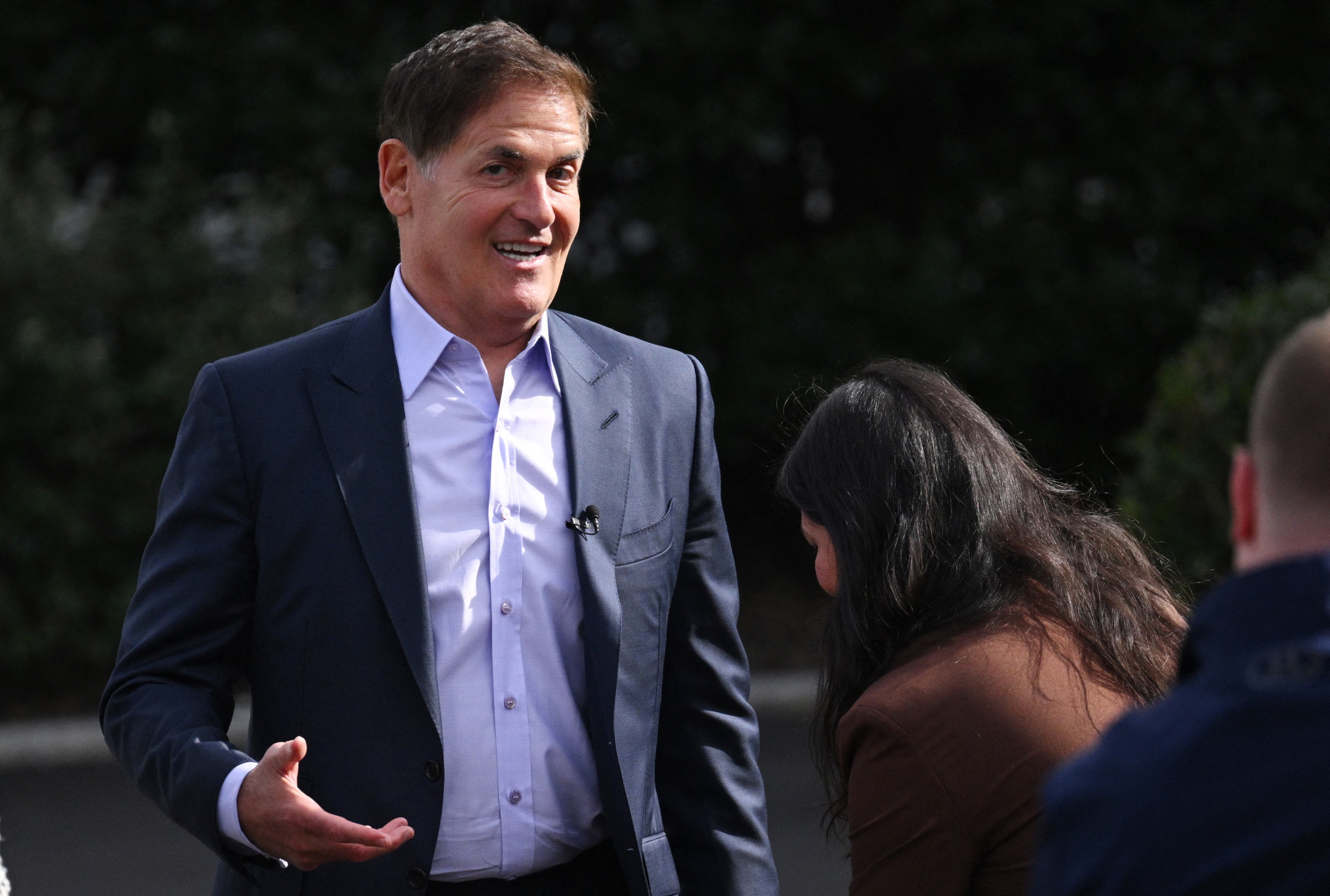
Ahead of Tax Day, billionaire Mark Cuban showcased his commitment to paying taxes by announcing that he will wire transfer $288 million to the IRS. Cuban took a seemingly indirect jab at former President Donald Trump, who had faced scrutiny for not releasing his tax returns during his time in office. Trump’s tax returns were eventually made public, revealing that he had declared negative income in multiple years and paid only $1,500 in income taxes for certain years. Cuban’s tweet highlighted his belief in contributing his fair share to the country that has provided him with numerous opportunities.
Donald Trump’s wealth primarily stems from real estate investments, such as a stake in a Manhattan office building and a golf resort in Miami. While he is part of the wealthiest 0.01 percent, Trump’s net worth has decreased in recent years. During his presidency, Trump signed the Tax Cuts and Jobs Act 2017 into law, which reduced income tax brackets and rates, benefiting higher earners more than the middle and working classes, according to the Institute on Taxation and Economic Policy. Despite claiming that the tax cuts would boost the economy and pay for themselves, the tax cuts ultimately led to a significant increase in the deficit.
Trump has faced criticism for his handling of taxes, with the public revelation of his minimal income tax payments and deductions sparking controversy. The former president defended his tax practices, stating that he had used legal deductions and incentives to create jobs and business enterprises. Cuban’s public announcement of his substantial tax payment serves as a counterpoint to Trump’s approach, emphasizing the importance of contributing to the country’s financial well-being. The contrast between Cuban’s willingness to pay taxes and Trump’s tax practices highlights differing perspectives on taxation and wealth distribution.
The release of Trump’s tax returns and subsequent reports shed light on his financial strategies and the benefits he reaped from tax deductions. Trump’s negative income declarations and low tax payments raised questions about his financial practices and the fairness of the tax system. While Trump defended his actions as being part of legitimate tax planning, critics viewed his approach as exploiting loopholes and benefiting disproportionately from tax laws. Cuban’s transparency in revealing his tax payment underscores a sense of accountability and responsibility toward supporting public services and infrastructure through tax contributions.
Cuban’s decision to disclose his tax payment publicly resonates with his belief in fairness and civic duty to contribute to society through taxes. By openly sharing the amount he is willingly paying to the IRS, Cuban showcases a willingness to participate in the country’s financial obligations and uphold the principles of tax compliance. This gesture not only contrasts with Trump’s controversial tax practices but also sets an example for affluent individuals to be transparent and accountable in their tax responsibilities. Cuban’s stance reinforces the importance of tax integrity and collective contributions to sustaining essential public services and economic stability.