



French President Emmanuel Macron is considering imposing a state of emergency in New Caledonia to address escalating violence. Three people have been killed and four others, including an officer, were seriously injured, with more than 130 arrests reported. Macron emphasized the importance of political dialogue and condemned all forms of violence. The violence erupted in response to protests over a constitutional reform proposed by Paris, with tensions between Indigenous Kanaks seeking independence and descendants of colonizers who wish to remain part of France.
Prime Minister Gabriel Attal indicated that the state of emergency would aim to restore order as quickly as possible. A decree outlining the methods of imposing the state of emergency will be presented to the French Cabinet for consideration. Macron has called for a resumption of political dialogue and invited New Caledonian delegations to Paris to address the situation. French Minister of Interior and Overseas Territories, Gérald Darmanin, highlighted the need for calm to be restored and emphasized the serious nature of the situation.
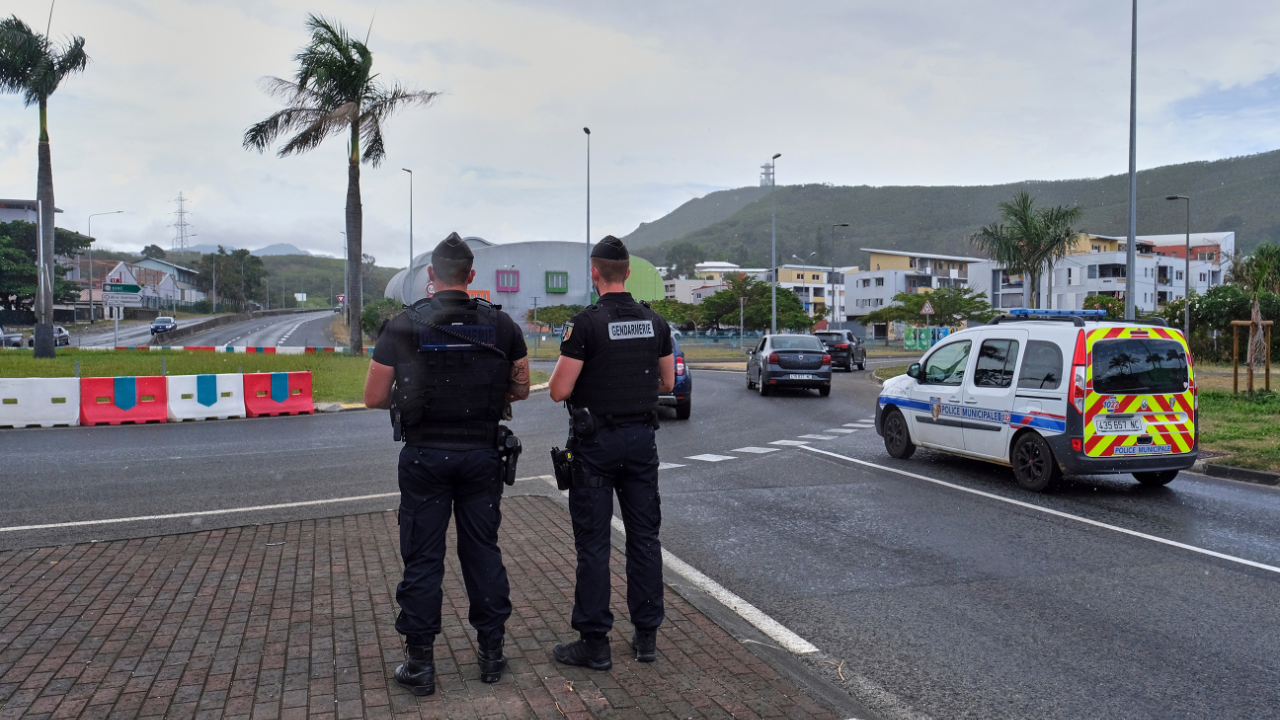
The French Interior Ministry has sent police reinforcements to New Caledonia, and around 1,000 gendarmes and 700 police officers have been deployed. The violence has led to the closure of schools, a curfew extension, and the banning of gatherings in an attempt to maintain order. Clashes between police and protesters have continued despite these measures, with the situation described as “very serious” by High Commissioner Louis Le Franc. The unrest began with protests against France’s efforts to expand voter lists to benefit pro-France politicians and marginalize the Kanak people.
The National Assembly in France recently adopted a constitutional revision reforming the electoral body in New Caledonia. Pro-independence representatives urged supporters to remain calm and condemned the vote in the National Assembly. Macron called for all local politicians to engage in dialogue and proposed convening a Congress session to address the issues at hand if meaningful dialogue does not occur. The proposed bill would allow residents who have lived in New Caledonia for 10 years to vote in provincial elections, a move that has stirred tensions between different communities on the archipelago.
New Caledonia has a complex history, becoming French in 1853 and gaining overseas territory status after World War II. A peace deal was reached in 1988, with France promising political power and autonomy alongside referendums on independence. The three referendums held in 2018 to 2021 ultimately saw the majority of voters choose to remain part of France. The pro-independence Kanak people rejected the results of the last referendum, citing concerns over the timing due to the COVID-19 pandemic. The situation in New Caledonia remains tense, with Macron and local authorities working to address the issues through political dialogue and potential legislative changes.