




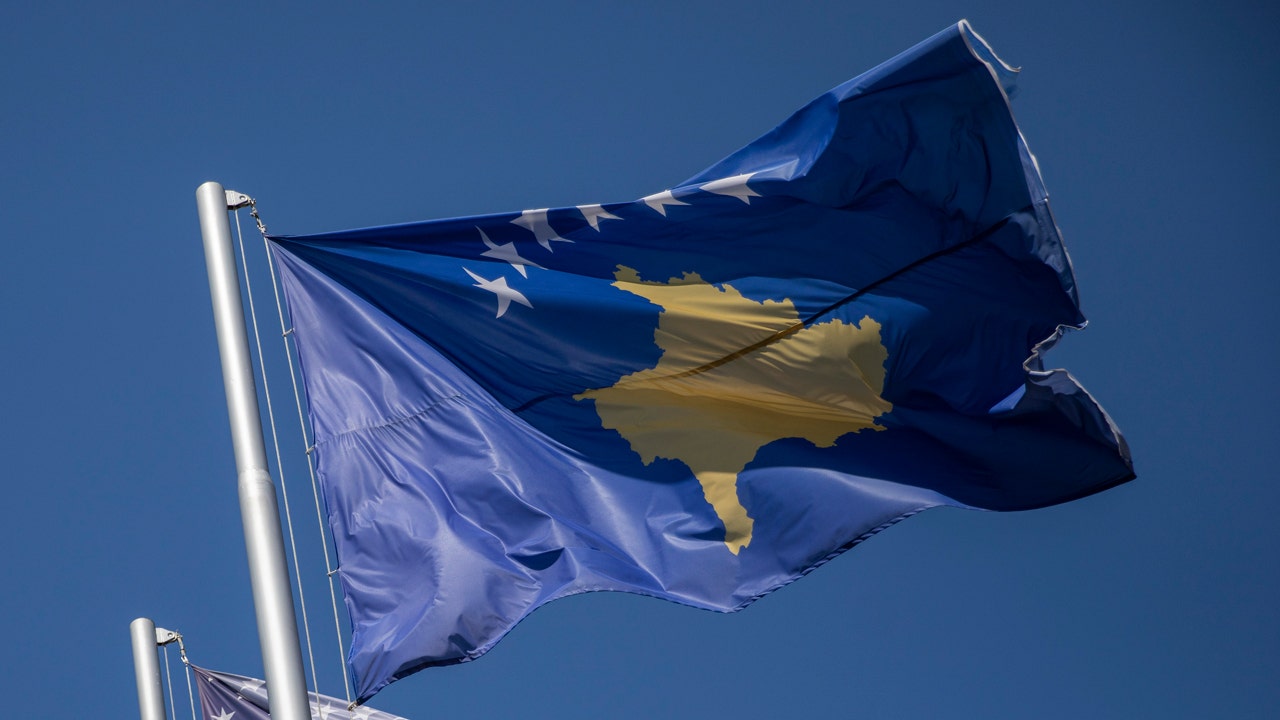
Kosovo’s parliament approved a bill to lease prison space to Denmark to alleviate their overcrowded prison system. The agreement, signed in 2022, allows for foreigners convicted in Denmark to serve their sentences in Kosovo. Danish nationals, terrorists, and war criminals are excluded from the agreement, and prisoners must serve their time under the same conditions as in Denmark. There is also the option to deport foreigners directly to their home countries after serving their sentence in Kosovo. Denmark agreed to pay Kosovo 210 million euros for the use of 300 cells in a prison in the town of Gjilan for 10 years.
The bill passed by Kosovo’s lawmakers gives Denmark access to prison space in Kosovo for a decade, with provisions including the deportation of prisoners after their sentences end and requirements for the conditions under which prisoners must be held. The funds provided by Denmark will be used to improve correctional facilities in Kosovo and support renewable energy projects. An earlier draft of the bill failed to pass, with some opposition from lawmakers, but the revised version was approved with a vote of 86-7 in favor. Kosovo’s president must sign the bill for it to become law, and it will take effect upon publication in the official gazette.
Danish Justice Minister Peter Hummelgaard praised the approval of the bill by Kosovo’s parliament and emphasized the positive impact on Denmark’s prison system. The arrangement with Kosovo will help to balance Denmark’s overcrowded prisons and deter foreign criminals from seeking to serve their sentences in Denmark. A Danish warden will oversee the facility in Kosovo with the assistance of local prison staff. The deal between Denmark and Kosovo represents a mutually beneficial agreement that addresses the needs of both countries in managing their prison populations and ensuring the safe and secure incarceration of convicted individuals.
Kosovo’s parliament voted decisively in favor of the bill to lease prison space to Denmark, with minimal opposition and no abstentions. The agreement is seen as a positive step to address the overcrowding in Denmark’s prisons and provide a solution for managing foreign convicts. The funds provided by Denmark will not only support Kosovo’s correctional institutions but also contribute to renewable energy projects in the Balkan country. The implementation of the agreement will require cooperation between Danish and local prison staff to ensure that the conditions for prisoners in Kosovo meet the standards set by Denmark and international obligations.
The approval of the bill by Kosovo’s parliament signals a commitment to addressing issues of prison overcrowding and improving correctional facilities through international cooperation. The deal with Denmark offers a solution for managing the incarceration of foreign convicts and provides financial support for Kosovo’s prison system and renewable energy projects. The implementation of the agreement will involve close oversight to ensure that prisoners in Kosovo are held under appropriate conditions and that deportations are carried out in accordance with the terms of the deal. Overall, the agreement represents a strategic initiative to address prison overcrowding and improve the management of criminal justice systems in both countries.