




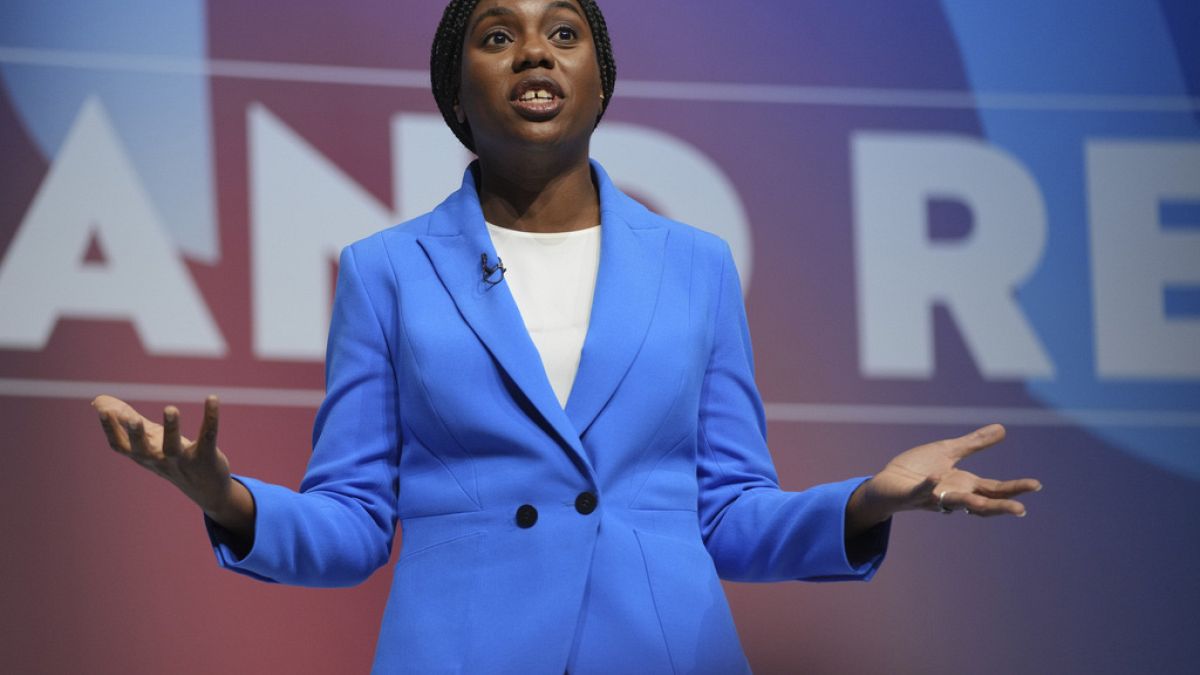
Kemi Badenoch has made history by being elected as the first Black woman to lead a major political party in the UK. She takes over as the leader of the Conservative Party from Rishi Sunak, who oversaw the party’s worst electoral performance since 1832. Badenoch faces the challenge of rebuilding the party’s reputation and critiquing Prime Minister Keir Starmer’s policies on crucial issues such as the economy and immigration. She emphasized the importance of holding the Labour government accountable and preparing for the next election by offering attractive conservative pledges and implementing them effectively.
Born to Nigerian parents in London, Badenoch spent much of her childhood in Nigeria before becoming a software engineer and later serving as a business secretary in the previous Conservative government. Advocating for a low-tax, free-market economy, she positions herself as a disruptor who aims to “rewire, reboot, and reprogram” the British state to achieve her vision. However, Badenoch has faced criticism for her views on cultural diversity and maternity pay, which some consider excessive.
The Conservative leadership race, which lasted over three months, culminated in Badenoch defeating Robert Jenrick in a vote among nearly 100,000 party members. Both finalists were aligned with the right of the party and believe they can reclaim voters from Reform UK, a hard-right, anti-immigrant party led by Nigel Farage, that has been siphoning off Conservative support. However, concerns have been raised by some party members that shifting further to the right might alienate the broader public after losing supporters to Labour and the centrist Liberal Democrats.
As the new leader of the Conservative Party, Kemi Badenoch faces the challenging task of rebuilding the party’s reputation after years of division, scandal, and economic instability. In her victory speech, she outlined two main goals for the party: holding the Labour government accountable and creating attractive conservative pledges with a clear plan to implement them. She stressed the importance of improving how the government functions and making positive changes in the country. With the next election expected by 2029, Badenoch must work towards bringing the Conservatives back to power while navigating the complex political landscape.
Badenoch’s election as the leader of the Conservative Party marks a historic moment in British politics, with her becoming the first Black woman to lead a major political party in the UK. Her background as a software engineer and business secretary, as well as her disruptive approach to politics, signal a new direction for the party. However, her controversial views on cultural diversity and maternity pay have drawn criticism. The future of the Conservative Party under Badenoch’s leadership remains uncertain as she navigates the challenges of rebuilding the party’s reputation and appealing to a broad range of voters in a competitive political landscape.