





The federal Justice Department has stepped in to defend the legal right to challenge robocalls sent to New Hampshire voters using artificial intelligence to mimic President Joe Biden’s voice. Assistant Attorney General Kristen Clarke and U.S. Attorney Jane Young filed a statement of interest in the lawsuit brought by the League of Women Voters against Steve Kramer, the political consultant behind the calls, and the three companies involved in transmitting them. Kramer, who is also facing separate criminal charges related to the calls, has not responded to the lawsuit filed in March, but the companies filed a motion to dismiss last month, arguing that robocalls do not violate the section of the Voting Rights Act that prohibits intimidating, threatening, or coercing voters.
The Justice Department refuted the companies’ arguments, stating that the law clearly allows aggrieved individuals and organizations representing them to enforce their rights under the law. It argued that robocalls can violate voting rights by incentivizing voters to stay away from the polls, deceive voters with false information, and provoke fear among targeted individuals. U.S. Attorney Jane Young commended any private citizen willing to stand up against these aggressive tactics and exercise their rights to participate in the enforcement process for the Voting Rights Act. The message sent to thousands of New Hampshire voters on January 21 featured a voice similar to Biden’s falsely suggesting that voting in the state’s first-in-the-nation presidential primary would preclude them from casting ballots in November.
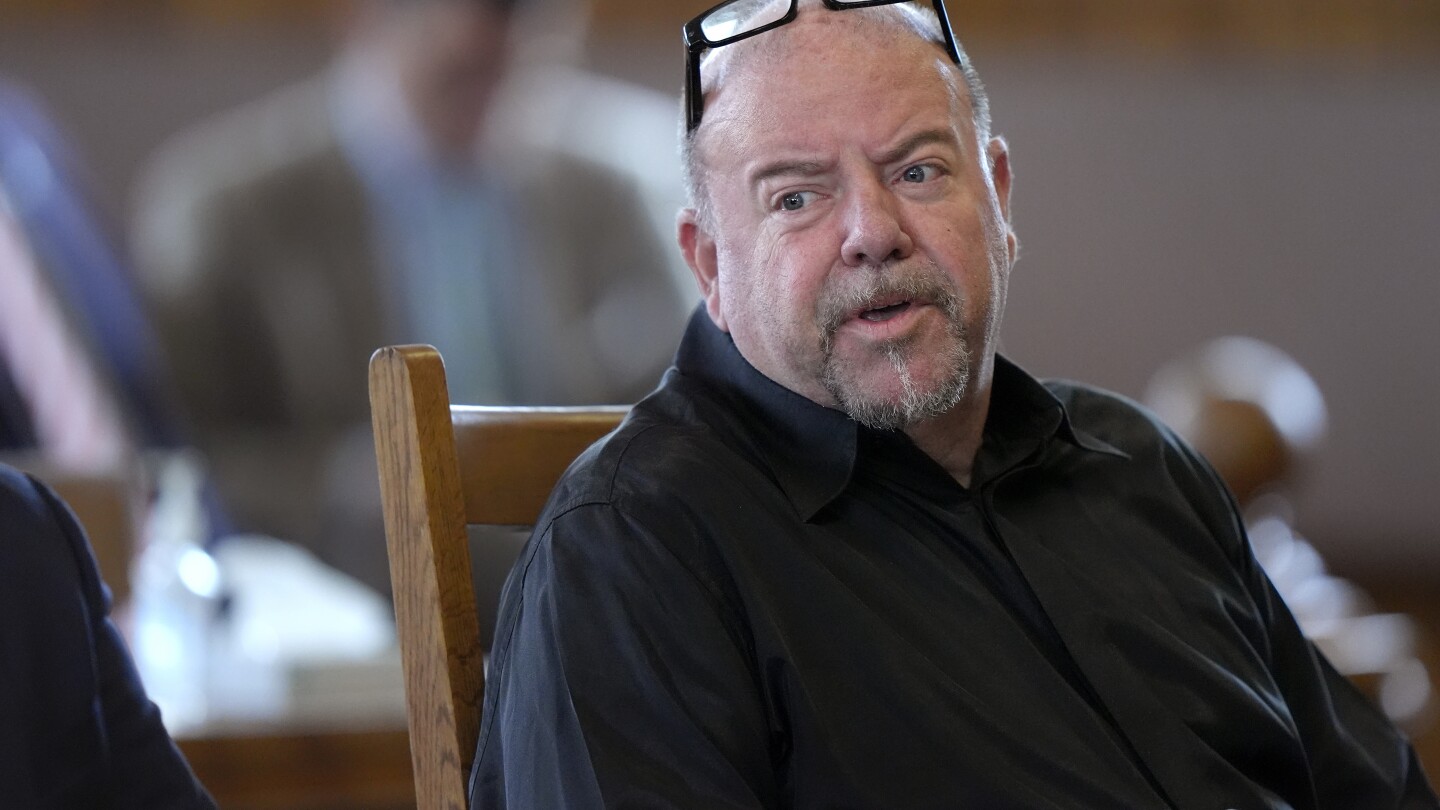
Steve Kramer paid a magician and self-described “digital nomad” $150 to create the recording used in the robocalls. He has stated that he orchestrated the call to raise awareness of the potential dangers of AI and prompt action from lawmakers. Kramer is facing 26 criminal charges in New Hampshire and is also staring down a proposed $6 million fine from the Federal Communications Commission. The FCC has been taking steps to combat the growing use of AI tools in political communications and recently advanced a proposal that would require political advertisers to disclose their use of artificial intelligence in broadcast television and radio ads. It remains unclear whether new regulations may be in implemented before the November presidential election.
The case highlights the intersection of technology, politics, and voter rights. The use of AI in political communications poses new challenges and potential risks, as demonstrated by the robocalls in question. The controversy surrounding these calls has led to legal action, criminal charges, and regulatory proposals. The debate has raised questions about the boundaries of free speech, the effectiveness of existing laws in regulating new technologies, and the ethical considerations of using AI in political messaging. The involvement of the Justice Department underscores the importance of upholding voting rights and preventing tactics that may deceive or intimidate voters.
The upcoming election season brings added urgency to address the issue of AI in political communications. With advancements in technology making it easier to manipulate audio and video recordings, the potential for misinformation and voter suppression is a growing concern. The actions taken by the Justice Department, the FCC, and other regulatory bodies in response to the robocalls in New Hampshire signal a broader effort to protect the integrity of the electoral process and ensure that voters are not manipulated or misled. As the legal battle continues and new regulations are considered, the case serves as a reminder of the ongoing challenges in balancing free speech rights with the need to safeguard democracy and voter rights.
The League of Women Voters’ lawsuit against Steve Kramer and the companies involved in the robocalls reflects a commitment to holding individuals and entities accountable for actions that may undermine the democratic process. By challenging the use of deceptive tactics in political communications, the lawsuit seeks to protect the rights of voters and uphold the principles of fair and free elections. The outcome of this case could have far-reaching implications for how AI is used in political advertising and the potential consequences for those who engage in unethical or illegal practices. As the legal proceedings unfold, the public will be watching closely to see how the justice system addresses this complex and evolving issue.