





Close Menu
West TimelinesWest Timelines
  • News
  • Politics
  • World
    • Africa
    • Asia
    • Australia
    • Europe
      • United Kingdom
      • Germany
      • France
      • Italy
      • Russia
      • Spain
      • Turkey
      • Ukraine
    • North America
      • United States
      • Canada
    • South America
  • Business
    • Finance
    • Markets
    • Investing
    • Small Business
    • Crypto
  • Elections
  • Entertainment
  • Health
  • Lifestyle
    • Fashion
    • Food & Drink
    • Travel
    • Astrology
  • Weird News
  • Science
  • Sports
    • Soccer
  • Technology
  • Viral Trends
Trending Now

Dubai Spotlight: Analyzing the Evolving Audience Tastes with AI Social Listening Tools in the UAE

3 weeks ago

مرآة التاريخ: تحليل البناء السردي للدروس الخالدة في قصص الأنبياء والإسلام

4 weeks ago

السندات الحكومية والشركات: أساسيات الاستثمار الآمن والدخل الثابت

1 month ago

UAE Ranks Among Top Rugby Markets on TOD as British & Irish Lions Tour Kicks Off

5 months ago

Darven: A New Leap in AI-Powered Legal Technology Launching from the UAE to the World

5 months ago
Facebook X (Twitter) Instagram
West TimelinesWest Timelines
  • News
  • US
  • #Elections
  • World
    • North America
      • United States
      • Canada
    • Europe
      • United Kingdom
      • Germany
      • France
      • Italy
      • Spain
      • Ukraine
      • Russia
      • Turkey
    • Asia
    • Australia
    • Africa
    • South America
  • Politics
  • Business
    • Finance
    • Investing
    • Markets
    • Small Business
    • Crypto
  • Lifestyle
    • Astrology
    • Fashion
    • Food & Drink
    • Travel
  • Health
  • Sports
    • Soccer
  • More
    • Entertainment
    • Technology
    • Science
    • Viral Trends
    • Weird News
Subscribe
  • Israel War
  • Ukraine War
  • United Kingdom
  • Canada
  • Germany
  • France
  • Italy
  • Russia
  • Spain
  • Turkey
  • Ukraine
West TimelinesWest Timelines
Home»Technology
Technology

Is Alzheimer’s Disease Transmissible through Blood and Organ Donations?

April 9, 2024No Comments2 Mins Read
Facebook Twitter Pinterest LinkedIn Telegram Email WhatsApp Copy Link

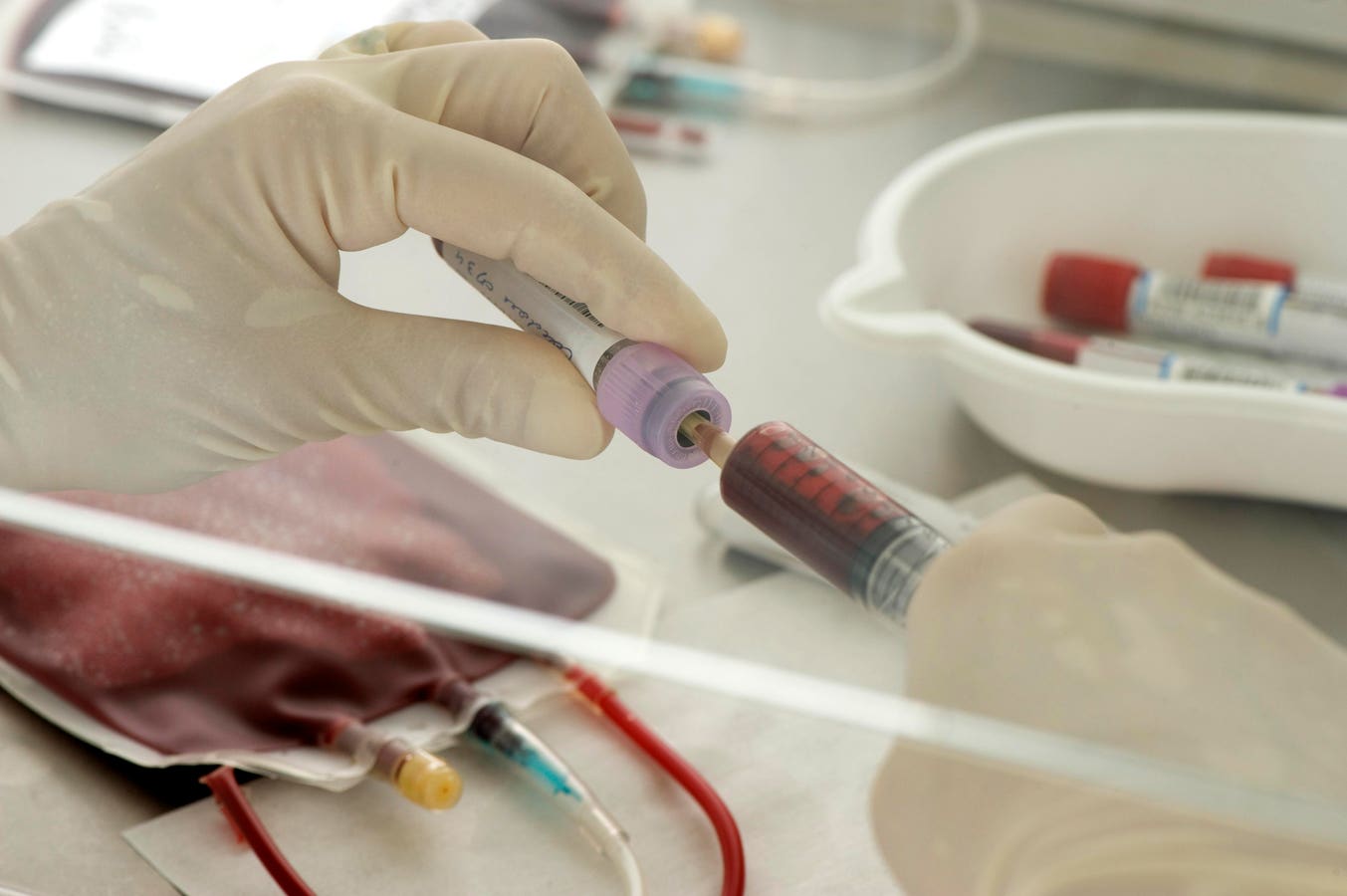
A recent study has raised the possibility that Alzheimer’s disease may be transferable under certain circumstances, such as blood, organ, bone marrow, and stem cell transplantations. The study involved transferring bone marrow from mice with hereditary Alzheimer’s disease to healthy mice, resulting in the healthy mice developing Alzheimer’s. This suggests that Alzheimer’s disease may be more of a systemic disease than previously understood, and screening donors for genetically induced Alzheimer’s may be necessary to prevent accidental transmission.

Alzheimer’s disease can be categorized into familial and sporadic forms. Familial Alzheimer’s is caused by single genetic mutations, while sporadic Alzheimer’s has no single genetic cause and is influenced by a combination of genes, lifestyle, and environmental factors. In the study, researchers focused on familial Alzheimer’s cases, which account for less than 5% of all cases. The mice used in the study were bred to carry a human version of the amyloid precursor protein gene variant, leading to the development of Alzheimer’s disease.

After extracting bone marrow from the sick mice and transplanting it into healthy mice, both groups of mice showed signs of Alzheimer’s disease. Even mice lacking the amyloid precursor protein gene developed symptoms of cognitive decline, suggesting that the disease can transfer to previously healthy individuals. The findings also highlighted that amyloid produced outside of the brain can make its way into the brain, causing the formation of amyloid plaques and a leaky blood-brain barrier.

While the study provides valuable insights, there are limitations that need to be considered. The experiments were conducted in mice, and further research is needed to determine if similar results would occur in humans. Additionally, it is unclear whether the cognitive decline in recipient mice was caused by the transfer of Alzheimer’s disease or the transplantation itself. Further investigation is required to understand the mechanisms at play and whether similar examples have been documented in humans.

The study underscores the importance of screening organ, bone marrow, and stem cell donors for familial Alzheimer’s gene mutations to prevent unintentional transmission. It also suggests that Alzheimer’s may not be solely a brain disorder, as amyloids from other parts of the body can cross the blood-brain barrier. This aligns with emerging research on neurological illnesses like Parkinson’s disease, which may originate from regions outside the brain. While Alzheimer’s is not infectious in the traditional sense, the study highlights the potential risk of transmission under specific circumstances like transplantation.

Follow on Google News Follow on Flipboard
Share. Facebook Twitter Pinterest Email Telegram WhatsApp Copy Link

You Might Like

Dubai Spotlight: Analyzing the Evolving Audience Tastes with AI Social Listening Tools in the UAE

Darven: A New Leap in AI-Powered Legal Technology Launching from the UAE to the World

Array

Array

Array

Array

Editors Picks

مرآة التاريخ: تحليل البناء السردي للدروس الخالدة في قصص الأنبياء والإسلام

4 weeks ago

السندات الحكومية والشركات: أساسيات الاستثمار الآمن والدخل الثابت

1 month ago

UAE Ranks Among Top Rugby Markets on TOD as British & Irish Lions Tour Kicks Off

5 months ago

Darven: A New Leap in AI-Powered Legal Technology Launching from the UAE to the World

5 months ago

Jordan to Host Iraq in the Final Round of the Asian World Cup Qualifiers After Securing Historic Spot

6 months ago

Latest News

فلسطين: قلبٌ ينبض بالصمود والأمل

7 months ago

Roland Garros 2025: A New Era of Viewing, A Tribute to Legends, and Moments to Remember

7 months ago

Array

7 months ago
Advertisement
Facebook X (Twitter) TikTok Instagram Threads
© 2025 West Timelines. All Rights Reserved. Developed By: Sawah Solutions
  • Privacy Policy
  • Terms
  • Contact

Type above and press Enter to search. Press Esc to cancel.