




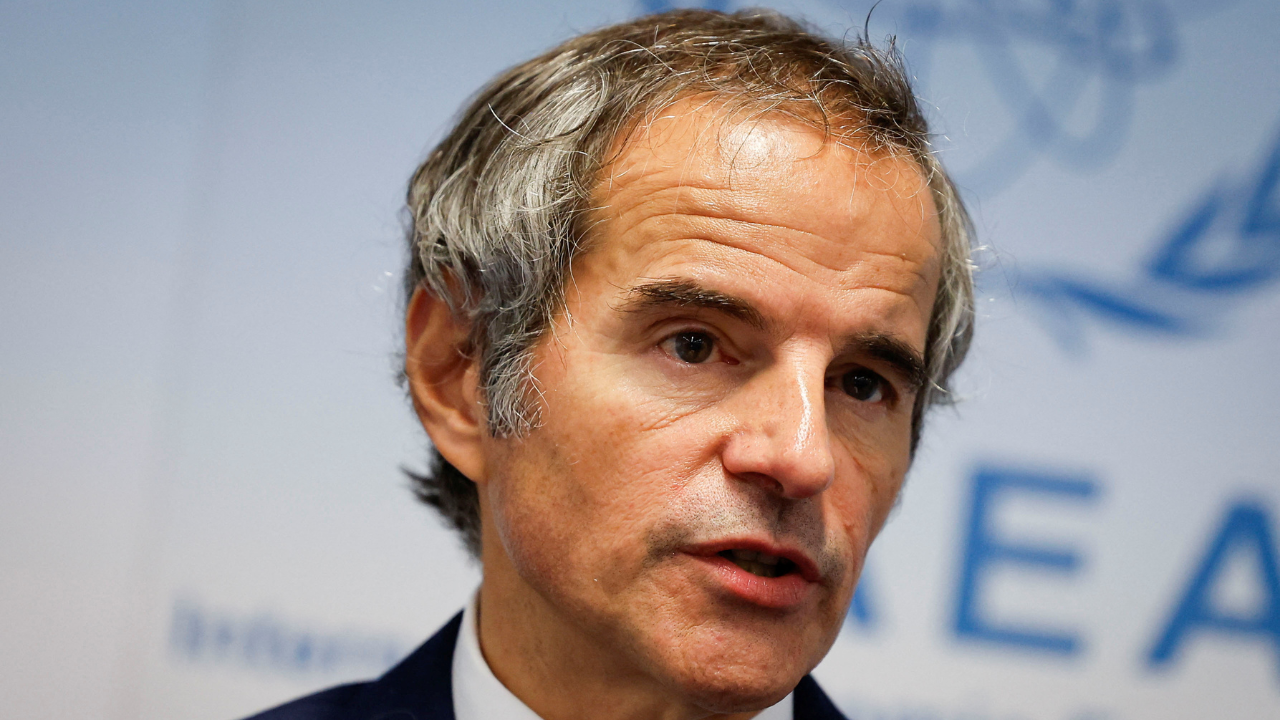
The deaths of Iran’s president and foreign minister in a helicopter crash have caused a pause in the U.N. nuclear watchdog’s talks with Tehran over improving cooperation with the agency, according to the watchdog’s chief Rafael Grossi. Grossi acknowledged a mourning period for Iran but expressed his intention to resume engagement once the mourning period is over. The IAEA faces challenges in Iran, including Tehran’s restrictions on the inspection team and its failure to explain uranium traces found at undeclared sites despite years of investigation.
The IAEA has been trying to expand oversight of Iran’s atomic activities as the country’s uranium-enrichment program continues to progress. Iran is currently enriching uranium to up to 60% purity, which is close to weapons-grade. Iran claims its nuclear program is entirely peaceful, but has been facing questions from the international community about its intentions. Grossi stated that Iran currently has about 140 kg of uranium enriched to up to 60%, theoretically enough for three nuclear bombs. The IAEA has been monitoring Iran’s nuclear activities closely, but there are still concerns about the lack of transparency from Tehran.
Despite the challenges, Grossi remains hopeful for improved cooperation from Iran in the future. He emphasized the need for concrete results and clarification on key issues like the uranium traces found at undeclared sites. Grossi stated that confidence in Iran on the nuclear issue is growing thinner around the world, highlighting the importance of addressing these concerns to maintain trust in the international community. While a more comprehensive deal with Iran may require more time, Grossi’s team is eager to make progress on critical issues to ensure the safety and security of all parties involved.
Grossi noted that technical discussions with Iran had not yet taken place due to the recent helicopter crash that claimed the lives of President Ebrahim Raisi and Foreign Minister Hossein Amirabdollahian. The IAEA chief expressed his condolences over the tragic event and reiterated the importance of respecting Iran’s mourning period. He emphasized the temporary nature of the interruption in talks and expressed hope that engagement would resume after a few days. Grossi’s team had been planning to continue discussions with Tehran on improving cooperation, but the tragic incident has delayed these plans temporarily.
In the midst of current challenges and uncertainties, Grossi remains committed to working with Iran on nuclear issues to ensure a peaceful and transparent resolution. While progress has been slow on key issues like uranium traces and inspection limitations, the IAEA chief is hopeful that concrete results will emerge in the near future. The situation in Iran remains complex, with ongoing enrichment activities raising questions about the country’s nuclear intentions. As Grossi and his team navigate these challenges, they are focused on fostering improved cooperation and addressing concerns to uphold international security and stability in the nuclear realm.