




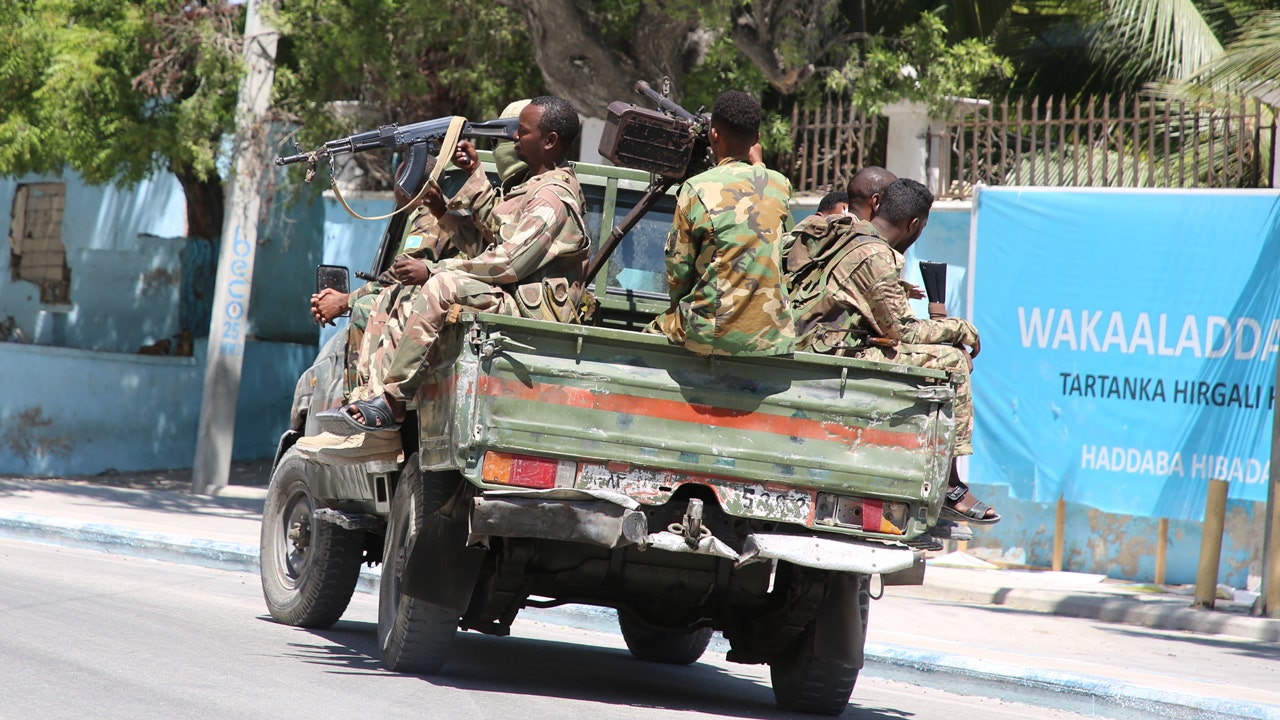
An Islamist group operating in Mozambique’s northern Cabo Delgado province, identified as Al-Shabab and affiliated with the Islamic State group, reportedly used children as young as 13 as soldiers in recent attacks on a town. Human Rights Watch stated that witnesses recognized some of the child soldiers as their missing relatives. These children were seen carrying weapons and ammunition during the attacks. Residents reported that at least 70 children went missing following a surge of attacks by insurgents in March, further highlighting the issue of child recruitment in armed conflicts.
The attacks in Mozambique came just days before the Environmental Investigation Agency published a report alleging that millions of tons of illegal timber had been exported to China from Cabo Delgado since 2017, with the profits used to finance the insurgency. The recruitment of children under the age of 15 as soldiers is considered a war crime under international law. The use of child soldiers was condemned by local authorities and aid agencies, who are working to address the ongoing conflict in the region.
Southern Africa deployed soldiers to Cabo Delgado as part of a regional effort to combat the insurgency, which has been escalating since 2017. In recent years, there have been reports of brutal attacks, including beheadings, carried out by Islamist fighters. In response to the violence, a regional force has been established to address the security situation in the area. Aid agencies estimate that over a million people have been displaced and thousands have been killed as a result of the conflict, with the insurgency posing a threat to a major natural gas project in the region.
The involvement of child soldiers in the recent attacks highlights the gravity of the situation in Cabo Delgado and the impact of the insurgency on local communities. Advocacy groups and human rights organizations have called for measures to protect children from recruitment by armed groups. The use of child soldiers as young as 13 in the conflict is a violation of international law and has raised concerns about the well-being and safety of children in the region. Efforts to address the root causes of recruitment and violence in Cabo Delgado are ongoing in an attempt to bring stability to the area.
The insurgency in Cabo Delgado has had devastating consequences for the local population, leading to displacement, violence, and loss of life. South Africa and other regional partners have taken steps to support Mozambique in addressing the security challenges posed by the insurgency. The withdrawal of regional troops from the region has raised concerns about the potential for further violence and insecurity. Despite efforts to address the conflict, the situation in Cabo Delgado remains volatile, with ongoing attacks and displacement affecting the civilian population.
The use of child soldiers and the illegal timber trade in Cabo Delgado are part of a larger pattern of violence and instability in the region. The conflict has had far-reaching consequences for the people of Mozambique and the surrounding areas. Addressing the root causes of the insurgency, including poverty, unemployment, and marginalization, is essential to achieving lasting peace and stability in Cabo Delgado. The international community must continue to support efforts to protect civilians, address human rights violations, and promote lasting peace in the region.