




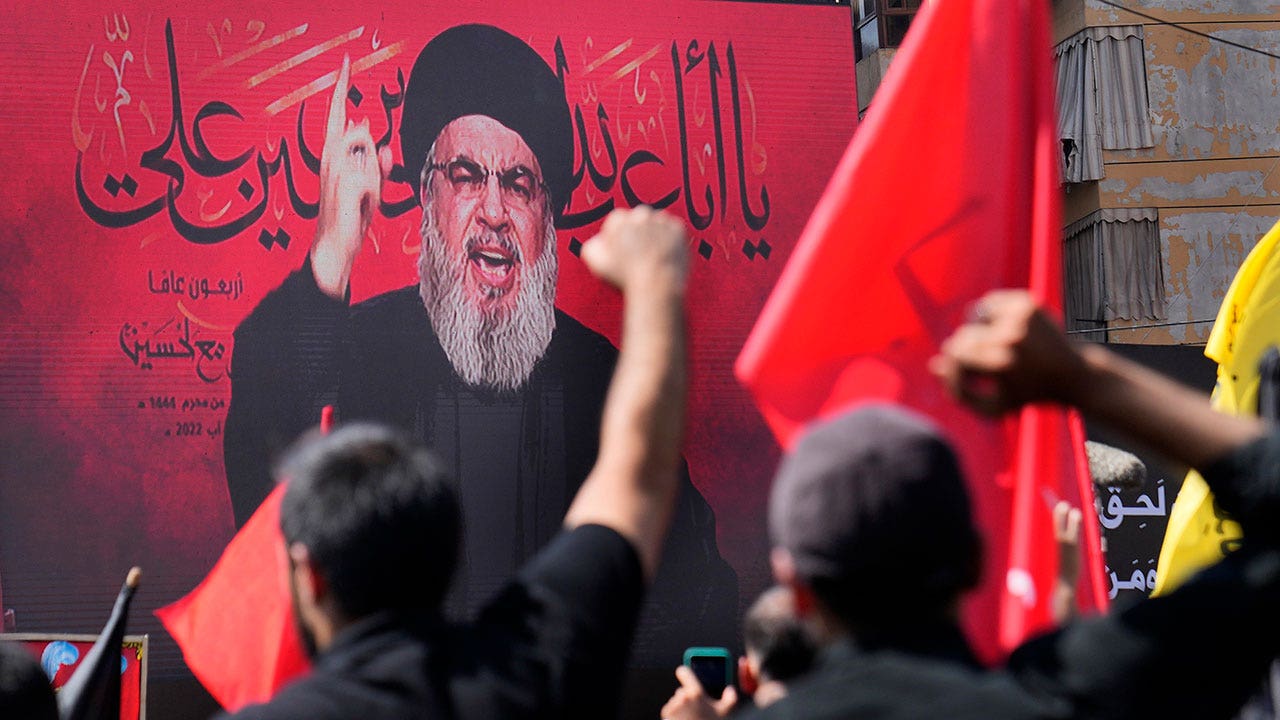
The Israeli Defense Forces (IDF) confirmed the death of Hassan Nasrallah, the leader of the Hezbollah terrorist organization, in a strike against the group’s headquarters in Lebanon. IDF Chief of the General Staff, Lt. Gen. Herzi Halevi, emphasized that this action was a part of their response to anyone who threatens Israel. At least two other individuals were killed and numerous others were injured in the attack, which targeted Nasrallah. The strike was a result of precise intelligence gathered by the IDF, which revealed that Nasrallah was responsible for numerous acts of violence against Israeli civilians and soldiers. The IDF emphasized that they will continue to target Hezbollah’s infrastructure to protect their citizens.
Israeli Prime Minister Benjamin Netanyahu, who had warned Hezbollah about Israel’s right to take offensive action during his speech at the United Nations General Assembly, cut short his trip to New York after the operation. The US Secretary of Defense confirmed that the United States was not involved in the Israeli operation and that there was no advance warning given to them. The IDF continued to conduct strikes on Hezbollah targets, including launchers aimed at Israeli civilians, buildings storing weapons, and terrorist infrastructure sites embedded under residential buildings in Beirut. The operation was seen as a significant victory for Israel due to Nasrallah’s close ties to Tehran and his operational control over Lebanon and Syria.
Rich Goldberg, a senior adviser at the Foundation for Defense of Democracies, explained that Nasrallah’s death was not only a game-changer for Hezbollah but also for Tehran, as he had taken on the role of senior strategist for Iran’s Supreme Leader after the death of Qasem Soleimani. Goldberg highlighted that the Iranian Revolutionary Guard Corps (IRGC) likely played a significant role in decisions regarding operations in the region. Despite Nasrallah’s death, the broader regional dynamics, particularly regarding Iran’s influence, remained uncertain. Goldberg cautioned that should Iran’s Supreme Leader decide to escalate tensions with Israel, the situation could evolve rapidly, potentially leading to unexpected actions by Israel inside Iran.
The IDF clarified that Nasrallah’s elimination was the result of a targeted strike on Hezbollah’s central headquarters in Beirut, where senior members of the organization were actively engaged in terrorist activities against Israel. The IDF emphasized that this operation was part of a broader effort to degrade and dismantle Hezbollah’s terrorist infrastructure and capabilities, as they continued to conduct strikes on various targets associated with the organization. The IDF underlined the ongoing threat posed by Hezbollah and their commitment to safeguarding Israeli citizens from terrorism.
The Israeli government, led by Prime Minister Netanyahu, acknowledged and supported the IDF’s actions against Hezbollah. Netanyahu’s decision to return to Israel following his speech at the United Nations General Assembly underscored the seriousness of the situation and Israel’s determination to defend itself against threats. The Israeli government asserted its right to respond forcefully to any attempts by Hezbollah or other hostile entities to harm Israeli citizens. The operation targeting Nasrallah was seen as a critical step in preventing further acts of violence against Israel and maintaining stability in the region.
The confirmation of Nasrallah’s death marked a significant moment in the ongoing conflict between Israel, Hezbollah, and Iran. The elimination of one of Hezbollah’s key leaders raised questions about the future trajectory of the conflict and the potential for further escalations. The repercussions of Nasrallah’s death were anticipated to be far-reaching, impacting not only Hezbollah but also Iranian influence in the region. As Israel continued to target Hezbollah’s infrastructure, the broader geopolitical landscape in the Middle East faced new uncertainties, with potential implications for regional security and stability. Israel’s actions were viewed as a response to existential threats posed by terrorist organizations, highlighting the complex dynamics at play in the region.