




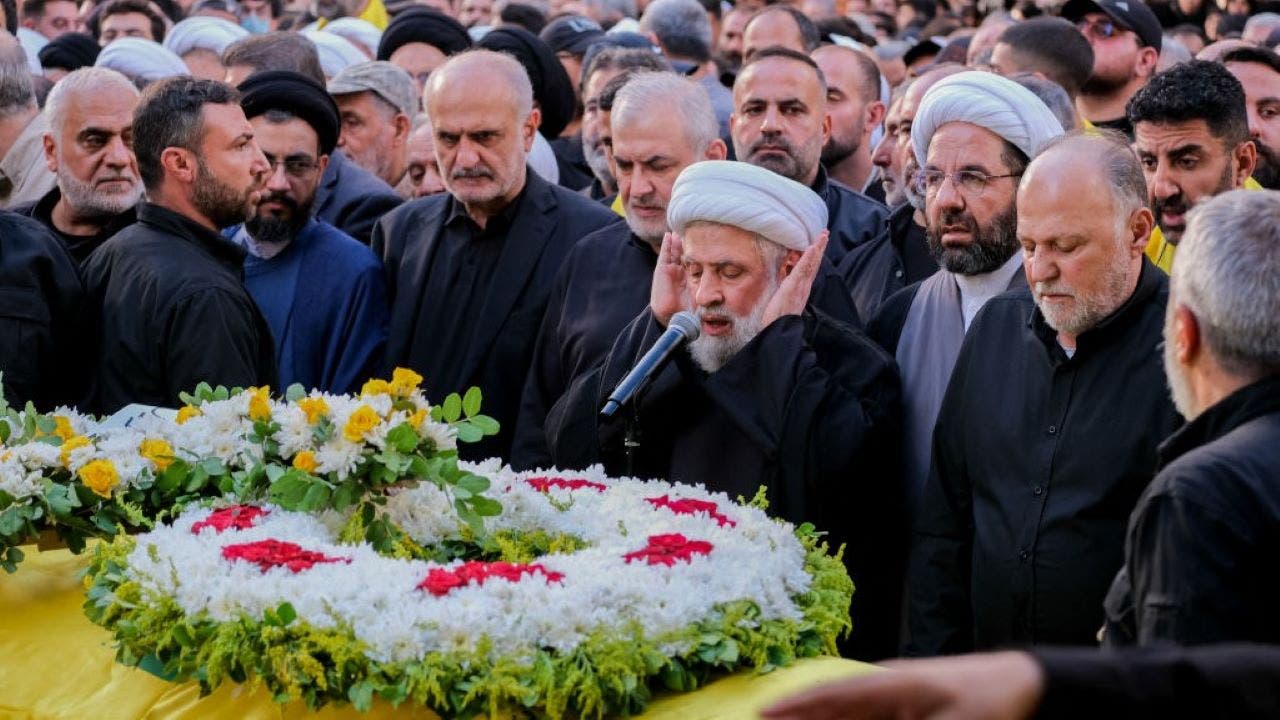
Hezbollah, a Lebanese terrorist group, recently announced the selection of a new leader, Naim Qassem, to succeed the late Secretary General Hassan Nasrallah who was killed in an Israeli airstrike in September. Qassem, who had served as Nasrallah’s second in command for decades, has also been a major spokesman for the group during times of conflict with Israel. Nasrallah was killed on September 27, and the man considered his likely successor, Hashem Safieddine, was also killed in a separate strike just weeks later. Israel has wasted no time in threatening Qassem and calling on him to halt hostilities.
Amidst this leadership change, tensions between Israel and Iran continue to rise as they exchange direct attacks. Hezbollah, a longstanding Iranian proxy group, has faced numerous airstrikes by Israeli forces. Iran has vowed to use all available tools in response to Israel’s strategic airstrikes despite warnings from the Israel Defense Forces (IDF) to stand down or face consequences. President Biden has expressed hope that the recent Israeli strikes would be the end of the conflict.
The Israeli airstrikes targeted 20 locations across Iran during an operation named “Days of Repentance.” The operation began with an assault on Iran’s air defense systems followed by targeted strikes on missile and drone bases as well as weapons production sites by more than 100 airplanes. The Iranian Foreign Ministry spokesperson, Esmaeil Baghaei, declared that Iran will deliver a definite and effective response to the Zionist regime using all available tools. The ongoing conflict between Iran and Israel has escalated in recent weeks with no immediate resolution in sight.
Qassem’s appointment as the new leader of Hezbollah comes as the group faces increasing pressure from Israeli airstrikes and ongoing conflicts with Israel. With Hezbollah long serving as an Iranian proxy, tensions between Israel and Iran have continued to escalate in recent months. Hezbollah has been a major player in the conflict, suffering repeated airstrikes by Israeli forces. The future of the region remains uncertain as Iran and Israel exchange direct attacks and threats, with Hezbollah caught in the middle of a tense standoff.
Despite the change in leadership within Hezbollah, the group continues to face significant challenges, with Israel threatening Qassem and calling for an end to hostilities. The ongoing conflict between Iran and Israel has shown no signs of abating, with both sides continuing to exchange direct attacks and threats. The recent Israeli airstrikes have targeted key Iranian locations, leading to vows of retaliation from Iran. As tensions between Iran and Israel grow, the broader implications for the region remain unclear as both sides remain engaged in a dangerous game of brinkmanship.
President Biden has expressed hope that the recent Israeli strikes would mark the end of the conflict, but the ongoing tensions between Iran, Israel, and Hezbollah suggest a prolonged period of instability in the region. With Iran vowing to use all available tools in response to Israel’s airstrikes, the situation remains volatile and unpredictable. As Hezbollah adjusts to its new leadership and faces continued threats from Israel, the region remains on edge, with the potential for further escalation and violence.