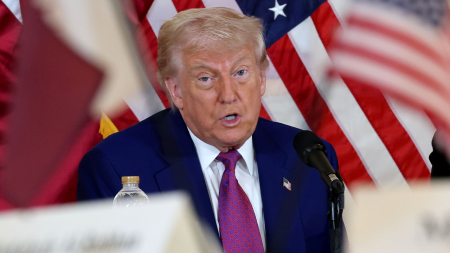




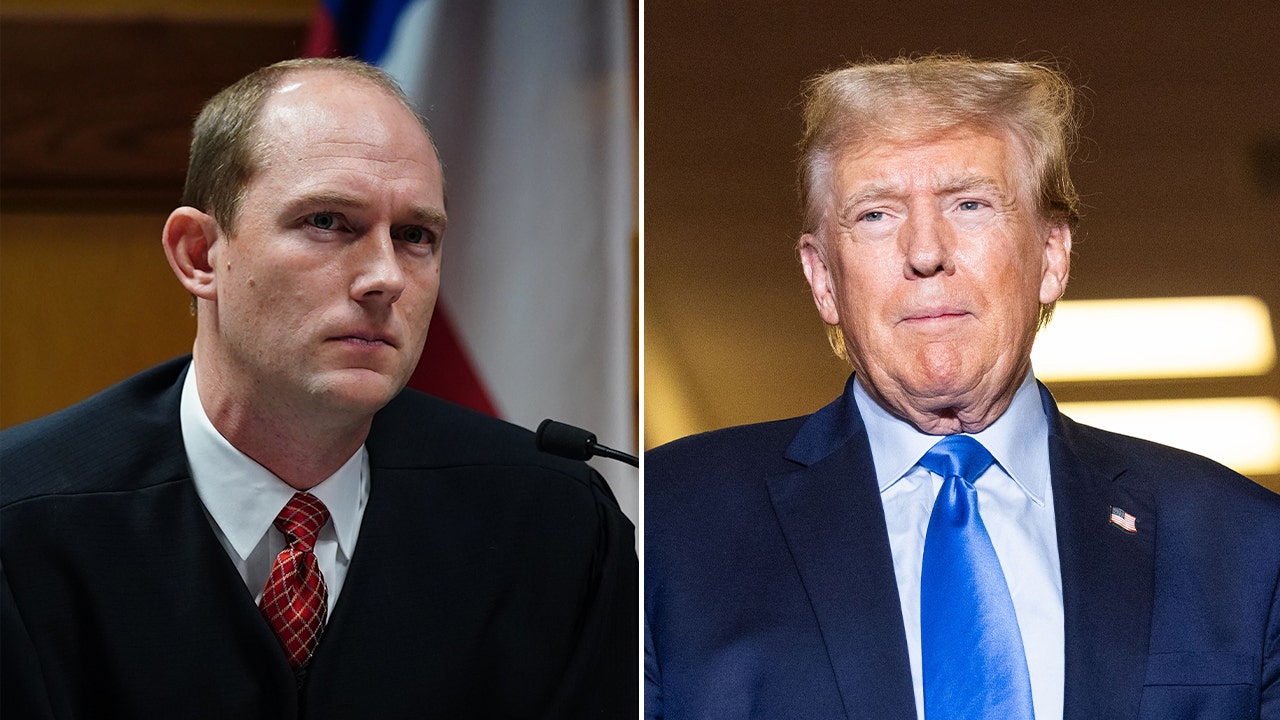
In Georgia, a judge has rejected former President Donald Trump’s attempt to dismiss a 2020 election interference indictment on the grounds of First Amendment protection. The judge, Scott McAfee, ruled that the actions and statements alleged by the State in the indictment do not qualify for constitutional protection. Trump’s legal team had argued that the prosecution violated the First Amendment’s protections of political speech, activity, freedom of association, and the right to petition Congress. However, the judge found that the indicted charges were not overbroad and did not violate the First Amendment.
The indictment stems from alleged efforts by Trump and his team to interfere with the 2020 election results in Georgia. The charges relate to phone calls made by Trump to Georgia officials in which he pressured them to overturn the election results in his favor. These actions have been seen as an attempt to undermine the democratic process and the rule of law in the United States. The judge’s ruling indicates that Trump’s actions in this case do not fall under the protections of the First Amendment and can therefore be prosecuted under the law.
Trump’s legal team has vowed to continue fighting the indictment and will likely appeal the judge’s decision. They maintain that Trump’s actions were protected political speech and that the charges are overly broad. The outcome of this case could have significant implications for future cases involving politicians and their interactions with election officials. It raises questions about the limits of political speech and the extent to which public officials can be held accountable for their actions in relation to elections.
The judge’s ruling in this case underscores the importance of upholding the rule of law and protecting the integrity of the electoral process. Regardless of one’s political affiliation, it is crucial that elected officials are held accountable for their actions and are not above the law. This case serves as a reminder that the principles of democracy and the rule of law must be upheld, even in the face of legal challenges and political pressure. The outcome of this case will likely have far-reaching implications for how election interference is addressed in the future.
As this case moves forward, it will be closely watched by legal experts, political observers, and the general public. The outcome will likely set a precedent for how future cases of election interference are prosecuted and how politicians are held accountable for their actions. The decision to deny Trump’s motion to dismiss the indictment paves the way for a greater understanding of the limits of political speech and the responsibilities of public officials. Ultimately, this case has the potential to shape the future of electoral integrity in the United States and reinforce the importance of upholding democratic principles in the face of legal challenges.