




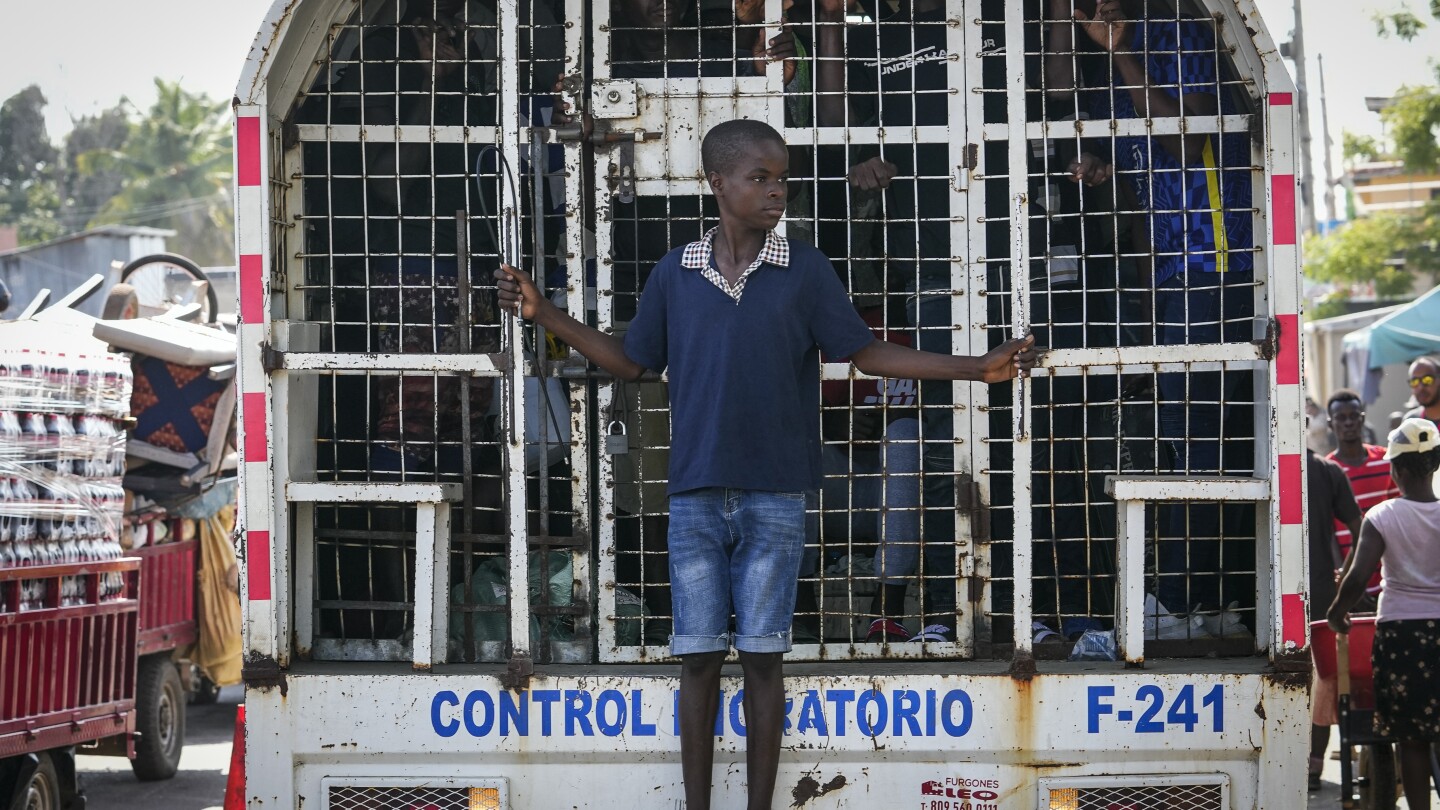
After Dominican President Luis Abinader secured a second term, he emphasized economic prosperity and constitutional reforms in a nationalistic speech. However, he notably avoided mentioning the crisis in neighboring Haiti, where gang violence has driven people to flee. Abinader’s hard-line stance on Haitian migrants has garnered support from Dominicans, with some viewing it as a key issue for the president to address. Despite criticism from human rights groups and the UN, Abinader has refused to suspend deportations and has vowed to continue building a border wall to protect the Dominican Republic.
As the Dominican Republic maintains its strict policies towards Haitian migrants, with hundreds of thousands deported and many left stateless, international leaders have called for a potential shift in dialogue between the two countries. Haiti, which is currently undergoing a political transition following a surge in gang violence, may offer an opportunity for Abinader to reconsider his approach. Despite pressure from the US and other countries, it remains to be seen whether Abinader will soften his stance on Haitian migration. While some hope for a more diplomatic approach, others express concerns that the situation will continue to deteriorate for migrants in the Dominican Republic.
The ongoing instability in Haiti presents a challenge for the region, with potential implications for relations between the two countries. Amid the chaos in Haiti, there is an opportunity for dialogue and cooperation between the Dominican Republic and its neighbor. International pressure may push Abinader to reconsider his approach to Haitian migrants, but doubts remain about whether significant changes will occur. As the situation unfolds, the fate of migrants living in the Dominican Republic remains uncertain, with concerns about ongoing discrimination and deportations.
Despite calls for a more humane approach to Haitian migration, Abinader has maintained his tough stance, citing the need to protect the Dominican Republic from external threats. The ongoing crisis in Haiti has raised questions about the future of relations between the two countries, with concerns about the treatment of migrants and the impact of Abinader’s policies. As Haiti navigates its political transition, there is hope for improved stability and dialogue, which could lead to a more collaborative approach between the two nations. However, the reality for migrants in the Dominican Republic remains challenging, with fears of continued discrimination and deportations.
The lack of mention of Haiti in Abinader’s victory speech may signal a shift towards a less aggressive approach, but doubts remain about whether meaningful changes will be implemented. The situation in Haiti remains precarious, with ongoing violence and political uncertainty creating challenges for regional stability. As the Dominican Republic grapples with its approach to Haitian migrants, there is a need for dialogue and cooperation to address the root causes of the crisis. The international community plays a critical role in advocating for a more compassionate response to the plight of migrants in the region, urging leaders like Abinader to consider a more inclusive and rights-based approach.