



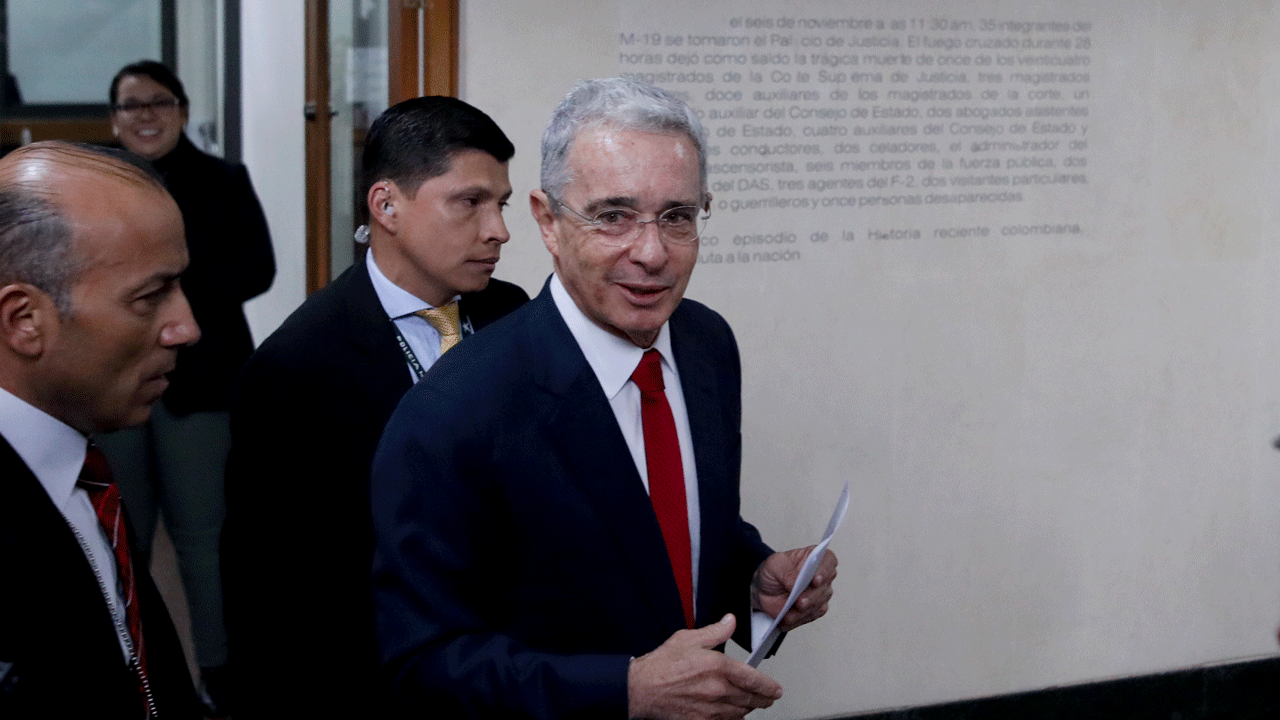
Colombia’s prosecutor’s office announced that they would call former President Álvaro Uribe to trial for alleged crimes of bribery of witnesses in criminal proceedings and procedural fraud, making him the first former president to face trial in the country. This change in the criminal process against Uribe came after a new attorney general took office in March. Despite previous attempts to close the case due to a lack of criminal responsibility found in the defendant, the requests were rejected by criminal judges, leading to the decision to move forward with a trial.
The prosecution is expected to formalize the accusation against Uribe at a future hearing, with potential penalties of up to eight years in prison for procedural fraud and up to twelve years for bribing witnesses in criminal proceedings. The criminal proceedings against Uribe stem from allegations made more than a decade ago when he claimed that an opposition senator was seeking paramilitaries to testify against him, linking him to the creation of a paramilitary group. Rather than prosecuting the senator, a high court opened a criminal file against Uribe to investigate whether he was involved in manipulating witnesses against his opponent.
Uribe, who served as president from 2002 to 2010, had previously been under house arrest for two months in 2020 in connection to this case. Throughout the process, he has maintained his innocence. The formal accusation and upcoming trial mark a significant development in the legal battle involving the former president, highlighting the complex nature of the allegations and the ongoing investigation into his alleged involvement in manipulating witnesses in criminal proceedings.
The decision to pursue a trial against Uribe has sparked debate and controversy in Colombia, where he remains a polarizing figure with supporters praising his tough stance on security and critics accusing him of human rights abuses and corruption. The upcoming trial will likely be closely watched both within the country and internationally, as it could set a precedent for holding high-ranking officials accountable for their actions.
The outcome of the trial against Uribe could have far-reaching implications for Colombian politics and the justice system. If he is found guilty and sentenced to prison, it would be a significant milestone in the country’s efforts to combat corruption and ensure accountability among its political leaders. On the other hand, if Uribe is acquitted, it could fuel further speculation and controversy, raising questions about the integrity of the legal system and the motivations behind the prosecution of high-profile figures.
As the legal proceedings against Uribe move forward, the case is likely to attract significant attention from the media and the public, shaping public perception of the former president and influencing the future trajectory of Colombian politics. The trial will test the strength and independence of the country’s judicial system, as well as its ability to hold powerful individuals accountable for their actions. Ultimately, the trial could have a lasting impact on Colombia’s political landscape and its efforts to promote transparency and accountability in government.