



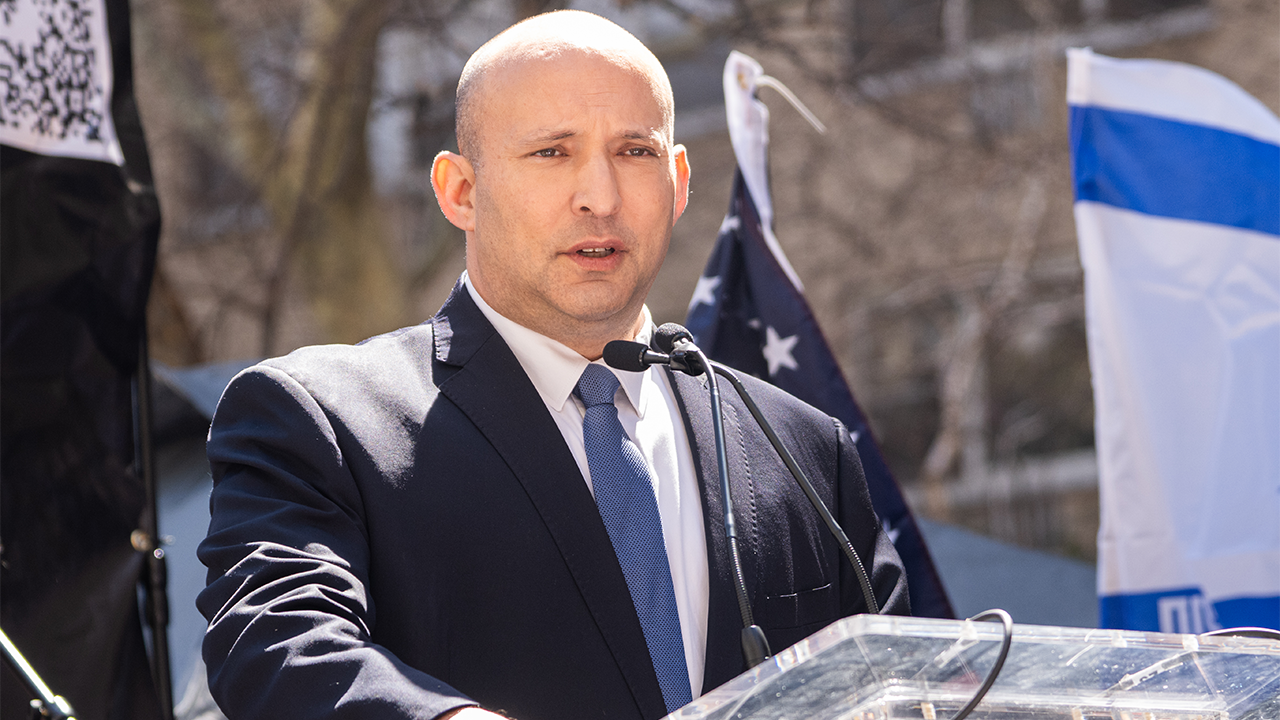
Former Israeli Prime Minister Naftali Bennett recently spoke out against the International Criminal Court (ICC) after the court prosecutor filed applications for arrest warrants against Israeli Prime Minister Benjamin Netanyahu, Defense Minister Yoav Gallant, and Hamas leaders for alleged war crimes. The prosecutor stated that there is evidence to believe that Netanyahu and Gallant are responsible for crimes against humanity committed in the State of Palestine, including starvation of civilians and intentional attacks on the civilian population. Bennett called the prosecutor’s request a “moment of shame” for the ICC and urged “decent nations” to defund the court, accusing it of providing a boost to global Jihadi terror.
The prosecutor also sought arrest warrants for Hamas leaders Yahya Sinwar, Ismail Haniyeh, and Mohammed Deif. Bennett condemned the comparison made by the ICC between those who commit deliberate murderous attacks and those defending themselves against them. He called for the defunding of the ICC and criticized the court for its actions. Netanyahu and other Israeli leaders labeled the move disgraceful and antisemitic, with U.S. President Joe Biden supporting Israel’s right to defend itself against Hamas. The next step in this process involves a panel of three judges deciding whether to issue the arrest warrants and allow the case to proceed, a decision that typically takes about two months.
It is important to note that Israel is not a member of the ICC. Therefore, even if the arrest warrants are issued, Netanyahu and Gallant do not face immediate prosecution. However, the threat of arrest could potentially impact their ability to travel abroad. The situation has escalated tensions between Israel and the ICC, with Israeli leaders and their allies pushing back against what they see as unjust accusations and biased actions by the court. The outcome of the judges’ decision will likely have significant implications for the parties involved and could potentially affect future relations between Israel and the ICC.
Overall, the developments surrounding the ICC’s filing of arrest warrants against Israeli and Hamas leaders have sparked a sharp response from former Israeli Prime Minister Bennett, who called for “decent nations” to defund the court. The prosecutor’s alleged evidence of war crimes has drawn condemnation from Israeli and U.S. leaders, with accusations of bias and antisemitism being leveled against the ICC. The decision of the panel of judges on whether to issue the arrest warrants will be a pivotal moment in this ongoing conflict between Israel and the ICC, and the implications of their ruling could have far-reaching consequences for all parties involved. The situation underscores the complexity of international legal disputes and the challenges faced by nations when engaging with multinational judicial bodies like the ICC.