


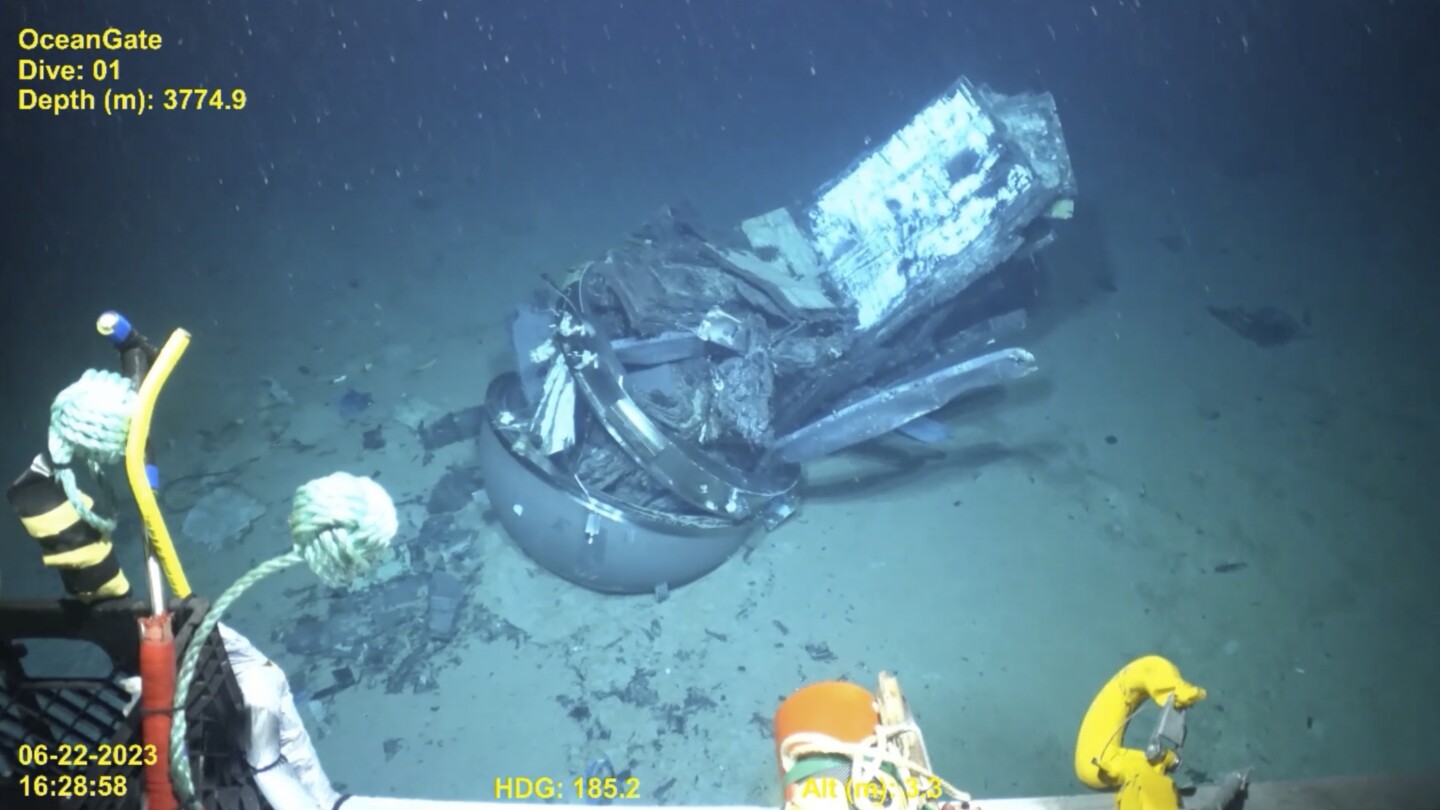
A tragic incident involving the implosion of a submersible known as Titan, while en route to view the Titanic wreckage in the Atlantic Ocean, resulted in the deaths of five individuals. The Coast Guard panel investigating the disaster has been conducting testimonies from witnesses in an attempt to understand the factors that led to the tragedy. Key employees of the company that owned the submersible, OceanGate, have denied claims of risking lives for the sake of completing dives. The director of administration for OceanGate, Amber Bay, emphasized the company’s dedication to delivering on their promises but stated that they would not conduct risky dives.
The co-founder of OceanGate, Guillermo Sohnlein, expressed hope that the tragic incident would spark a renewed interest in exploration rather than marking the end of deep ocean exploration. Testimonies from experts highlighted the challenges associated with using carbon fiber for the pressure hull of the submersible, emphasizing its susceptibility to fatigue failure. Lead engineer Tony Nissen also revealed his reluctance to pilot the Titan earlier due to concerns about the operations crew, further raising questions about the safety of the vessel.
Testimonies from witnesses revealed previous problems with the Titan, including mechanical issues that manifested during a dive just days before the fatal incident. The vessel experienced problems with its ballast, causing passengers to be thrown about and leading to difficulties in stabilizing the vessel. Additionally, a paid passenger on a 2021 mission to the Titanic testified that the journey had to be aborted due to mechanical problems, highlighting ongoing issues with the submersible. Concerns raised by an operations director about the safety of the vessel were reportedly ignored by authorities, potentially contributing to the tragic outcome.
Despite the testimonies indicating multiple warning signs and safety concerns, some individuals involved maintained a more positive view of the operations leading up to the fatal dive. Renata Rojas, a member of the Explorers Club that lost two paid passengers in the incident, testified that she felt OceanGate was transparent and did not perceive the operation as unsafe. However, the overall testimony from witnesses highlighted a series of red flags and safety issues that may have contributed to the implosion of the Titan. The investigation by the Coast Guard panel continues as they seek to unravel the complexities surrounding the tragic event and prevent similar incidents in the future.
As the testimonies progress, it has become increasingly apparent that there were significant warning signs and safety concerns that were potentially overlooked in the lead-up to the fatal dive. The company’s dedication to exploration and providing access to the deep ocean was commendable, but the rushed nature of the dives and operational challenges seem to have contributed to the disaster. The use of carbon fiber for the pressure hull, despite its known vulnerabilities, raises questions about the decision-making processes within OceanGate. The testimonies from witnesses, both critical and supportive, provide valuable insights into the circumstances leading to the implosion of the Titan and the tragic loss of lives. The investigation by the Coast Guard panel is crucial in understanding the factors that led to the disaster and ensuring that proper safety measures are implemented to prevent similar incidents in the future.
Overall, the testimonies from witnesses paint a complex picture of the events leading up to the implosion of the Titan and the devastating loss of lives. While some individuals express hope for renewed exploration interests, others highlight the safety concerns and warning signs that were potentially ignored. The ongoing investigation by the Coast Guard panel aims to uncover the root causes of the disaster and hold accountable those responsible for the lapses in safety measures. As the inquiry continues, it is essential that lessons are learned from this tragedy to prevent similar incidents and ensure the safety of individuals involved in deep-sea exploration missions.