




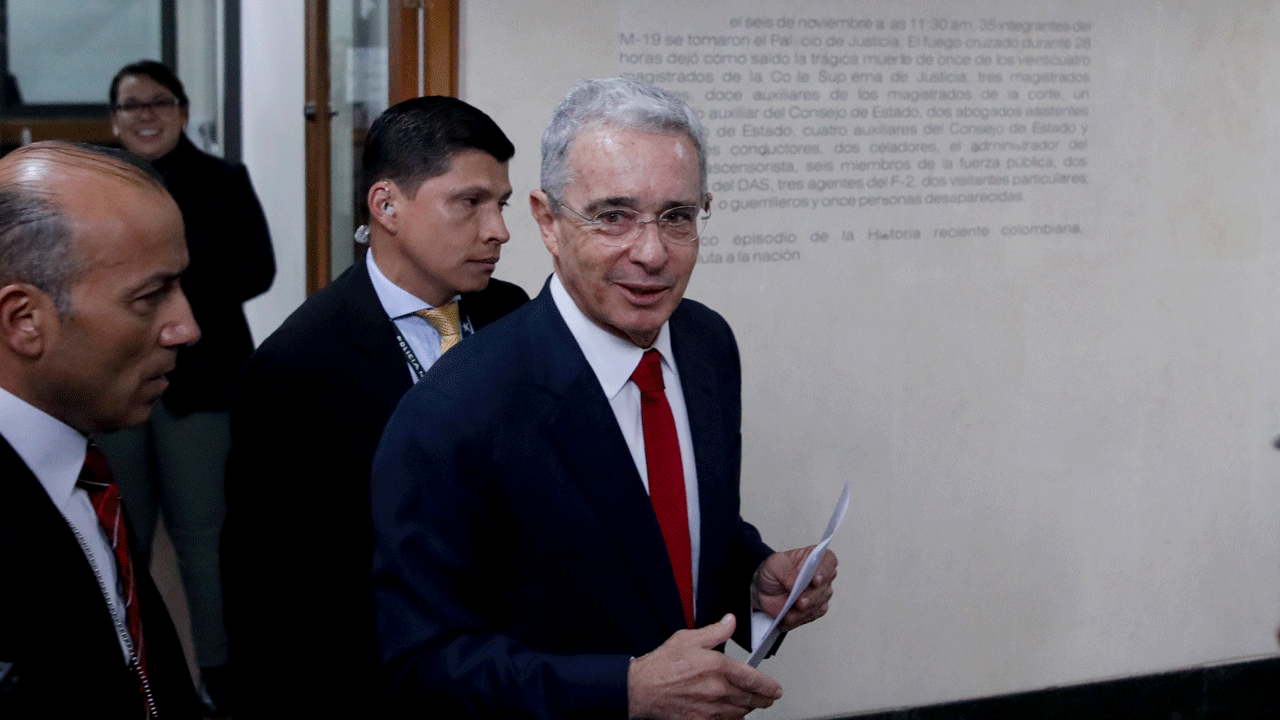
Colombia’s former President Álvaro Uribe has been accused of witness tampering, bribery, and procedural fraud, which has raised questions about his legacy. He insists that there is no evidence against him and has denounced the move by national prosecutors as “political vengeance.” Uribe is facing charges related to allegations made by an opposition senator about his ties to paramilitary groups and bribing witnesses to change their testimonies. Despite claiming that the trial is based on political presumptions and personal animosities, Uribe could face up to 12 years in prison if convicted.
The case against Uribe dates back to allegations made a decade ago, when he was accused of being involved in the creation of a paramilitary group. The former president was previously under house arrest for two months in 2020 in connection to this case. The Supreme Court dismissed a case brought against Uribe by the opposition senator for slander and instead opened a criminal case against him for manipulating witnesses. This has led to Uribe becoming the first former president in Colombia to face trial, highlighting the political implications of the case.
Uribe’s supporters argue that the charges against him are baseless and politically motivated, intended to tarnish his reputation. The former president, who served from 2002 to 2010, has a controversial legacy in Colombia, with his administration being praised for reducing violence and improving security, but criticized for alleged human rights abuses and ties to paramilitary groups. The decision to bring Uribe to trial has divided public opinion in Colombia, with some viewing it as a necessary step towards justice, while others see it as an attack on a prominent political figure.
Prosecutors in Colombia have attempted to close the case against Uribe twice before, citing a lack of evidence to establish criminal responsibility. However, criminal judges rejected these requests, leading to the current trial against the former president. The charges of bribery of witnesses and procedural fraud carry significant prison sentences if Uribe is found guilty. The trial is likely to be closely watched in Colombia, as it has the potential to impact the country’s political landscape and future elections.
The case against Uribe reflects broader challenges within the Colombian justice system, including concerns about political interference and corruption. The decision to prosecute a former president highlights the need for accountability and transparency in addressing allegations of wrongdoing by public officials. While Uribe continues to deny any wrongdoing and insists on his innocence, the legal process will ultimately determine whether he is held accountable for his actions. The outcome of the trial could set a precedent for how high-profile cases are handled in Colombia, shaping public trust in the country’s institutions.