




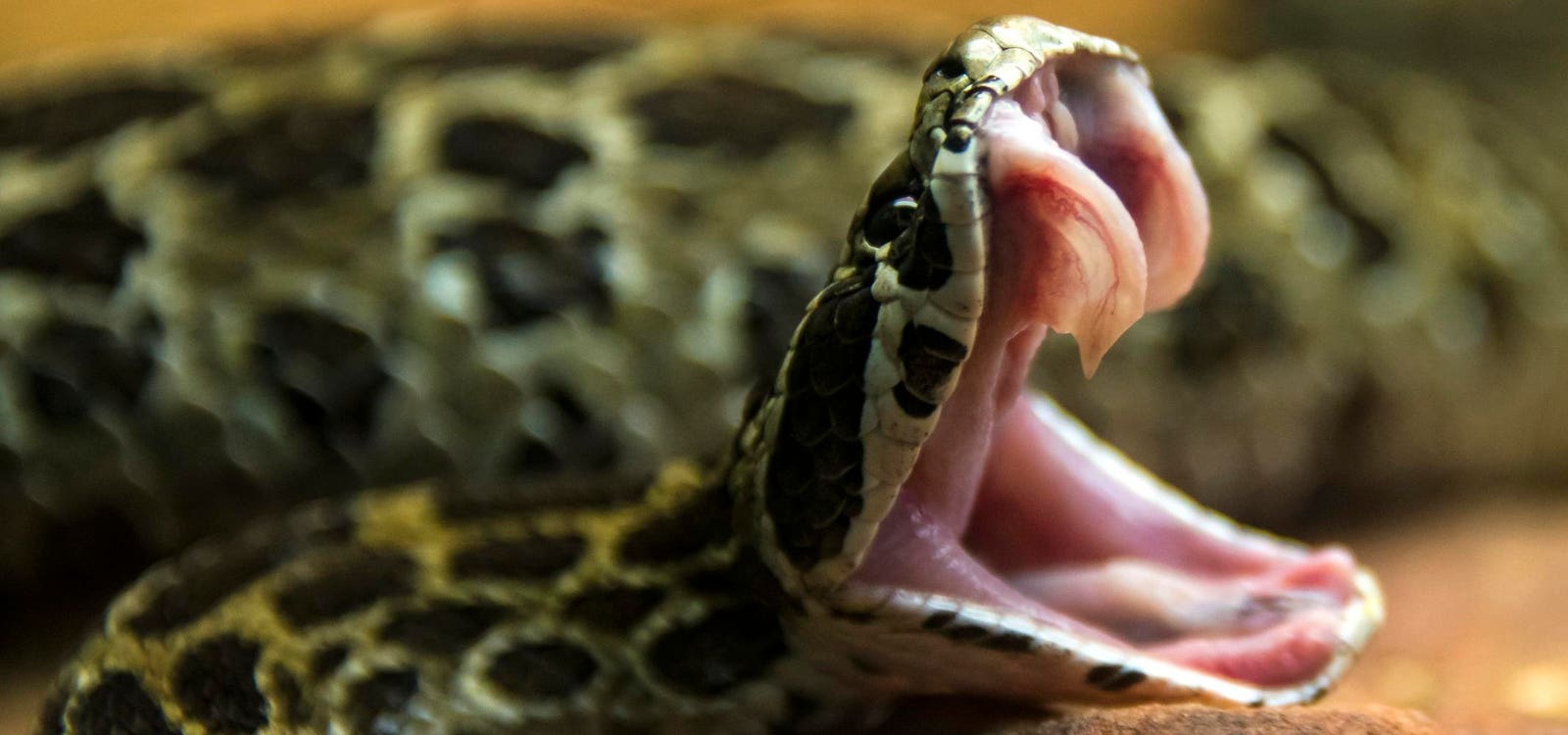
A recent paper published in the academic journal Toxicon explores the venom function of Mexico’s elusive long-tailed rattlesnakes. These snakes, consisting of three closely-related species, are highly venomous but understudied due to their rarity, restricted ranges, and proximity to politically unstable regions of Mexico. Despite being found in areas known for drug production and violence, these snakes, including the Sinaloan long-tailed rattlesnake, the Autlán long-tailed rattlesnake, and the Guerreran long-tailed rattlesnake, have venom with potent hemotoxic properties and strong anticoagulant effects.
Although these snakes are not considered major contributors to venomous snakebites in Mexico due to their limited distribution, bites from these species may be underreported and understudied. The illegal collection of these snakes for the pet trade also increases the risk of bites from captive specimens. Lethality tests on mice have shown that the venom of the Autlán long-tailed rattlesnake is the most lethal, followed by the Guerreran long-tailed rattlesnake and the Sinaloan long-tailed rattlesnake. The venom of these snakes would likely result in severe bleeding due to its impact on blood clotting.
The Sinaloan long-tailed rattlesnake, first documented in 1919, inhabits the Sierra Madre Occidental Mountain range in Sinaloa and Durango. It is exceedingly rare, with a maximum length of 24 inches and is found in various forest types. The Autlán long-tailed rattlesnake, described in 1966, was rediscovered in the 2000s in the state of Colima. It is similar in size to the Sinaloan species but with different coloration and inhabits different forest types. The Guerreran long-tailed rattlesnake, described in 2008, is closely related to the Autlán species and also has bright coloration. They prefer tropical pine and oak forests at altitudes of around 3,000 feet.
In addition to the long-tailed rattlesnakes, other elusive rattlesnake species exist in Mexico, such as the Santa Catalina Island rattlesnake found exclusively on Isla Santa Catalina in the Gulf of California. This rattleless rattlesnake is critically endangered due to habitat alteration and threats from introduced species. The Mexican pygmy rattlesnake, part of the mountain pygmy rattlesnake group, is found in the Trans-Mexican Volcanic Belt in central-southern Mexico. It is one of the smallest rattlesnake species in the world, thriving in pine-oak forests and grasslands at high altitudes.
These rare and understudied rattlesnake species in Mexico provide valuable insights into the diversity and venom potency of these snakes in remote and challenging habitats. Further research and conservation efforts are needed to protect these unique species and ensure their survival in the face of various threats. Studies like the one published in Toxicon shed light on the importance of preserving biodiversity and understanding the complex relationships between venomous animals and their environments.