





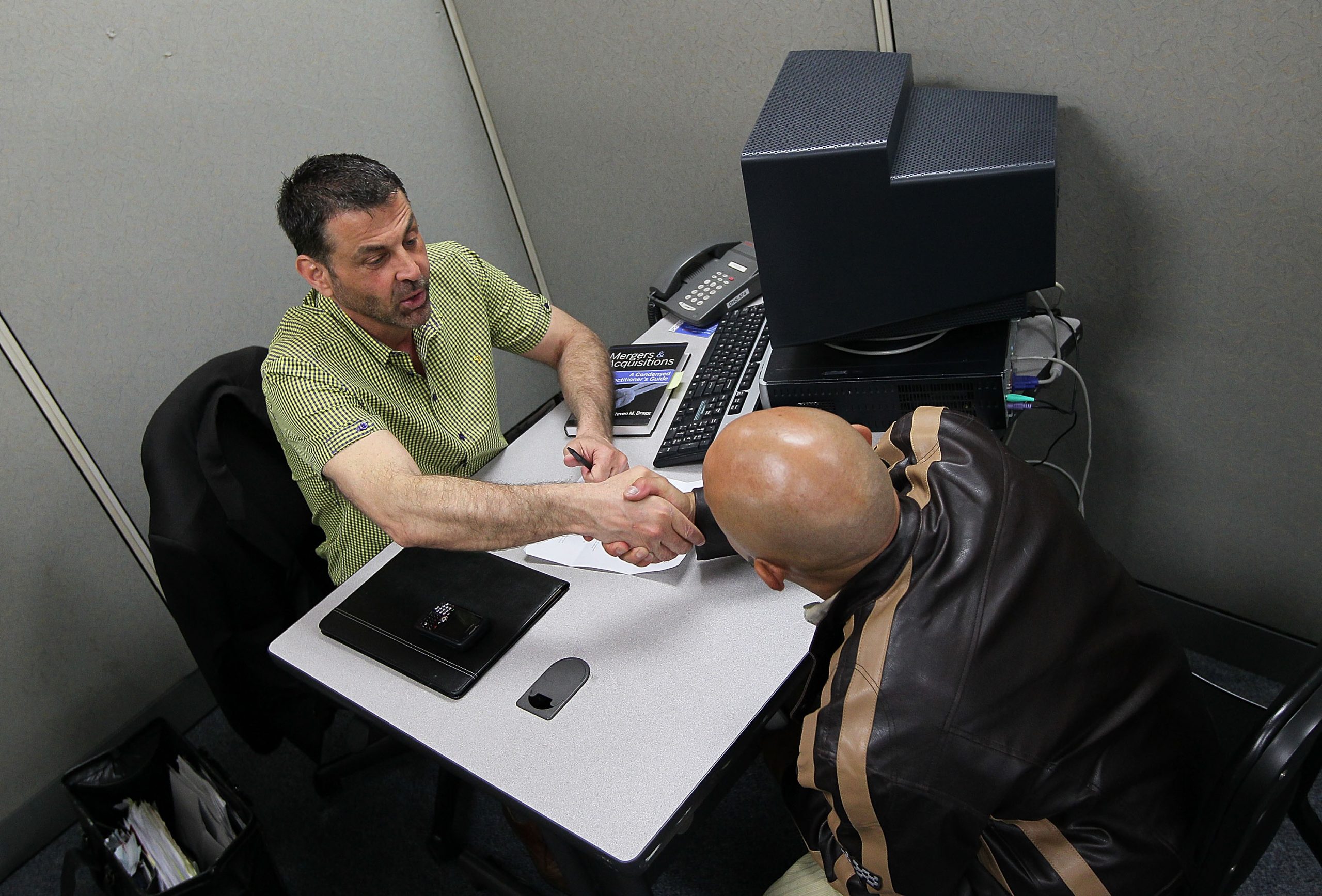
A recent Resume Builder survey of 1,000 hiring managers in America revealed that one in three admitted to breaking the law during the recruiting process by asking illegal questions related to age, identity, disability, family status, and prior salary. Despite laws protecting candidates from such inquiries, 60 percent of hiring managers regularly ask about a candidate’s identity, 56 percent ask about family or marital status, and 62 percent inquire about prior salary. These questions are often asked to ensure that other priorities or situations won’t hinder an employee’s ability to work, even though they are illegal.
Gender variance was observed among hiring managers, with 18 percent of men admitting to asking illegal questions frequently, compared to just 3 percent of women. Age discrimination was also prevalent, as three in five hiring managers asked candidates their age during interviews. Julia Toothacre, a resume and career strategist, highlighted the impact of biases against older or younger workers on the hiring process. Toothacre challenged hiring managers to consider the benefits of candidates from both ends of the age spectrum and not make assumptions about their career choices based on age.
HR consultant Bryan Driscoll expressed concerns about the poor taste and disregard for legal boundaries exhibited by hiring managers who ask illegal questions during interviews. Driscoll questioned what other unethical practices hiring managers might be engaging in and emphasized the need for comprehensive training to prevent such behaviors. He warned that companies that condone or overlook these practices risk legal and reputational damages. Many hiring managers engage in illegal questioning due to a lack of awareness of legal boundaries.
Jennifer Magas, a former employment law attorney and VP of Magas Media Consultants, highlighted the problematic nature of questions related to a candidate’s family plans during the hiring process. Magas shared a cautionary tale of a pregnant candidate on a conference call with an employer who was facing legal trouble due to pregnancy discrimination. This scenario underscores the legal risks and consequences that companies face when asking inappropriate questions during interviews. Allison Vaillancourt, a consultant at Segal, advised candidates to handle illegal questions during interviews by redirecting the conversation rather than outright calling out the employer.
In addressing the issue of illegal questions during the hiring process, Driscoll emphasized the importance of companies prioritizing training for hiring managers to prevent unethical practices. He called for organizational leaders to take action against such behaviors to avoid legal complications and reputational damage. Toothacre highlighted the impact of illegal questions on candidates and stressed the need for hiring managers to be more mindful of their hiring practices. By promoting awareness of legal boundaries and ethical norms, companies can create a fair and respectful environment for candidates during the recruitment process.