




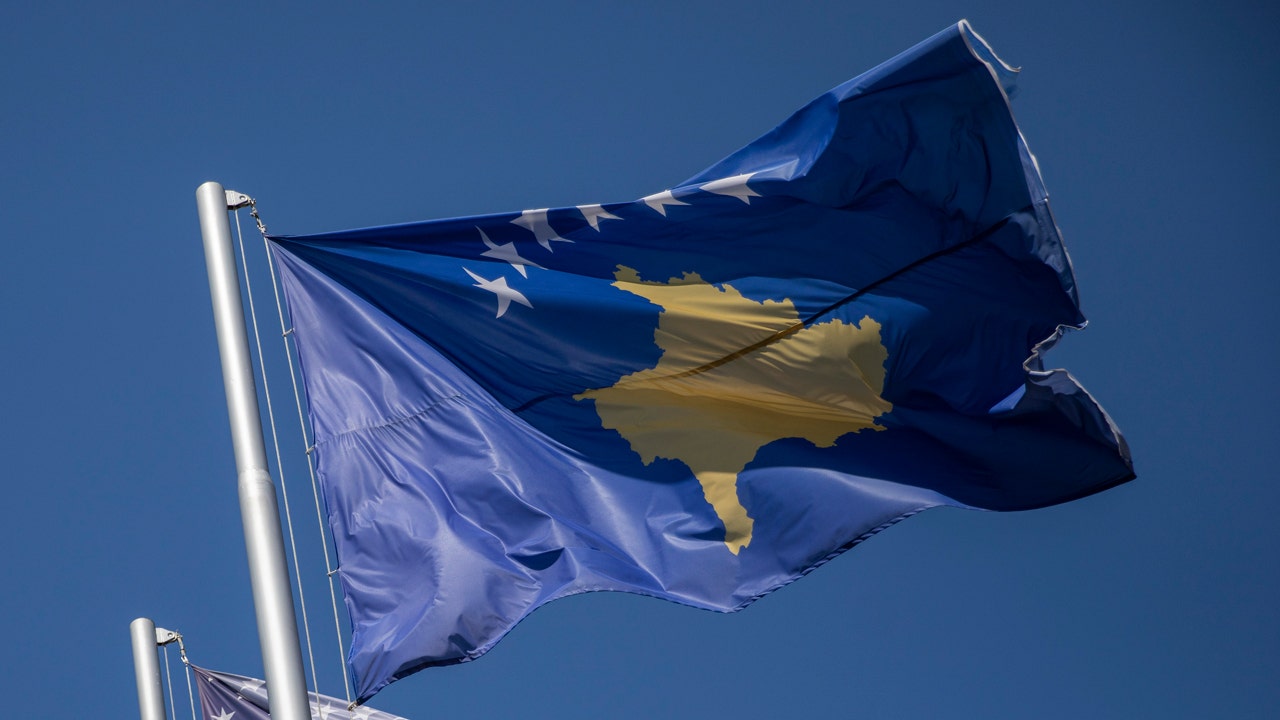
Kosovo’s Cabinet has renewed efforts to pass a draft law allowing the renting of a prison in Gjilan to Denmark in order to alleviate its overpopulated prison system. The initial draft failed to pass in parliament last week, but the Cabinet approved a new draft on Sunday for 300 cells at the prison to be leased to Denmark. This agreement is part of a 10-year deal signed by the two governments in April and May 2022. The draft law will once again be voted on in the parliament after receiving Cabinet approval.
The agreement stipulates that Denmark will pay Kosovo 200 million euros ($217 million) for the rental of the prison cells, which will be used to improve Kosovo’s correctional institutions and fund renewable energy projects. Denmark will not be allowed to transfer inmates convicted of terrorism or war crimes, or those who are mentally ill to the facility. The prison will be managed by a Danish warden, along with Albanian personnel and local staff. The prison in Gjilan will be an extension of Denmark’s correctional system, helping to alleviate overcrowding in their own prisons.
Kosovo’s prison system currently has a capacity of up to 2,800 inmates, but it is unclear how many vacancies are currently available. The leasing of the prison cells to Denmark is a strategic move to address the country’s overcrowded prisons and improve the conditions for inmates. In a similar initiative, neighboring Albania has also agreed to hold thousands of asylum-seekers for Italy, highlighting the collaborative efforts among countries to address the challenges in their respective prison systems.
The new draft law allowing the rental of the prison cells to Denmark is seen as a positive step towards addressing the challenges faced by Kosovo’s prison system. The agreement between the two governments will not only provide financial support to Kosovo’s correctional institutions but also enhance cooperation between the two countries in addressing shared challenges. The Danish warden overseeing the facility, along with local staff, will ensure that international standards are met in the management of the prison.
The approval of the draft law by Kosovo’s Cabinet signals a renewed commitment to addressing the issues of prison overcrowding and improving prison conditions. The agreement with Denmark to lease the prison cells in Gjilan is a significant development that will have a positive impact on Kosovo’s correctional system. By allocating the funds received from Denmark to correctional institutions and renewable energy projects, Kosovo aims to improve the overall infrastructure and services provided to inmates. This collaboration between Kosovo and Denmark exemplifies the importance of international cooperation in addressing common challenges.