



Close Menu
West TimelinesWest Timelines
  • News
  • Politics
  • World
    • Africa
    • Asia
    • Australia
    • Europe
      • United Kingdom
      • Germany
      • France
      • Italy
      • Russia
      • Spain
      • Turkey
      • Ukraine
    • North America
      • United States
      • Canada
    • South America
  • Business
    • Finance
    • Markets
    • Investing
    • Small Business
    • Crypto
  • Elections
  • Entertainment
  • Health
  • Lifestyle
    • Fashion
    • Food & Drink
    • Travel
    • Astrology
  • Weird News
  • Science
  • Sports
    • Soccer
  • Technology
  • Viral Trends
Trending Now

Dubai Spotlight: Analyzing the Evolving Audience Tastes with AI Social Listening Tools in the UAE

1 month ago

مرآة التاريخ: تحليل البناء السردي للدروس الخالدة في قصص الأنبياء والإسلام

1 month ago

السندات الحكومية والشركات: أساسيات الاستثمار الآمن والدخل الثابت

1 month ago

UAE Ranks Among Top Rugby Markets on TOD as British & Irish Lions Tour Kicks Off

6 months ago

Darven: A New Leap in AI-Powered Legal Technology Launching from the UAE to the World

6 months ago
Facebook X (Twitter) Instagram
West TimelinesWest Timelines
  • News
  • US
  • #Elections
  • World
    • North America
      • United States
      • Canada
    • Europe
      • United Kingdom
      • Germany
      • France
      • Italy
      • Spain
      • Ukraine
      • Russia
      • Turkey
    • Asia
    • Australia
    • Africa
    • South America
  • Politics
  • Business
    • Finance
    • Investing
    • Markets
    • Small Business
    • Crypto
  • Lifestyle
    • Astrology
    • Fashion
    • Food & Drink
    • Travel
  • Health
  • Sports
    • Soccer
  • More
    • Entertainment
    • Technology
    • Science
    • Viral Trends
    • Weird News
Subscribe
  • Israel War
  • Ukraine War
  • United Kingdom
  • Canada
  • Germany
  • France
  • Italy
  • Russia
  • Spain
  • Turkey
  • Ukraine
West TimelinesWest Timelines
Home»News
News

Critics Question Donald Trump’s Control After Reading ‘Unhinged’ Email

June 13, 2024No Comments3 Mins Read
Facebook Twitter Pinterest LinkedIn Telegram Email WhatsApp Copy Link

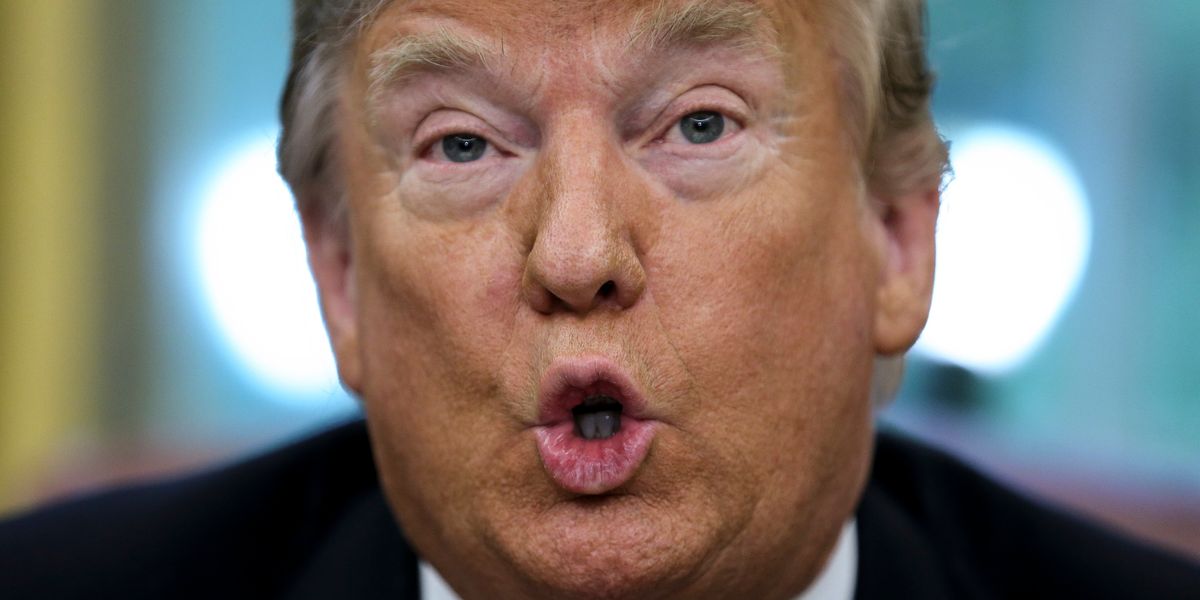
CNN’s Jim Acosta recently prompted discussion about whether people are becoming desensitized to former President Donald Trump’s violent rhetoric. During a segment on “The Situation Room,” Acosta posed the question, “Are we getting a little too numb to Mr. Trump’s violent language?” This inquiry comes in the wake of Trump’s continued use of inflammatory language and rhetoric, which some critics believe has contributed to a culture of division and violence in the United States.

The conversation around Trump’s violent language is not new, as the former president has a history of using inflammatory and confrontational language to rally his supporters and attack his political opponents. This divisive language has often been criticized for its potential to incite violence and further polarize an already deeply divided nation. Acosta’s question raises concerns about the impact of Trump’s rhetoric on public discourse and the overall tone of political dialogue in the country.

While some may argue that Trump’s rhetoric is simply a form of political theater or speechmaking, others argue that his words have real-world consequences and can fuel a climate of hostility and aggression. Critics point to instances where Trump’s rhetoric has been linked to acts of violence, such as the January 6th Capitol insurrection, where supporters stormed the Capitol building in an attempt to overturn the results of the 2020 presidential election. Trump’s repeated claims of election fraud and calls to “fight like hell” have been cited as contributing factors to the violence that ensued.

Acosta’s question also raises broader concerns about the normalization of violent rhetoric in American politics and society. As Trump and other public figures continue to use inflammatory language and engage in aggressive tactics, there is a risk that such behavior may become normalized and accepted as part of the political landscape. This normalization can have dangerous implications, as it may desensitize people to the seriousness of violent rhetoric and make it easier for individuals to justify or engage in violent actions.

As the discussion around Trump’s violent rhetoric continues, it is important for media outlets, public officials, and citizens to remain vigilant and critical of language that promotes division, aggression, and violence. By holding public figures accountable for their words and challenging the normalization of violent rhetoric, we can work towards a more civil and respectful public discourse. Ultimately, the question of whether people are becoming “too numb” to Trump’s violent language prompts us to reflect on the kind of society we want to live in and the values we uphold as a nation. It serves as a reminder of the power of language to shape our beliefs, attitudes, and behaviors, and the responsibility we all have to promote a culture of mutual respect, understanding, and peace.

Follow on Google News Follow on Flipboard
Share. Facebook Twitter Pinterest Email Telegram WhatsApp Copy Link

You Might Like

Array

Array

Array

Array

Array

Array

Editors Picks

مرآة التاريخ: تحليل البناء السردي للدروس الخالدة في قصص الأنبياء والإسلام

1 month ago

السندات الحكومية والشركات: أساسيات الاستثمار الآمن والدخل الثابت

1 month ago

UAE Ranks Among Top Rugby Markets on TOD as British & Irish Lions Tour Kicks Off

6 months ago

Darven: A New Leap in AI-Powered Legal Technology Launching from the UAE to the World

6 months ago

Jordan to Host Iraq in the Final Round of the Asian World Cup Qualifiers After Securing Historic Spot

7 months ago

Latest News

فلسطين: قلبٌ ينبض بالصمود والأمل

7 months ago

Roland Garros 2025: A New Era of Viewing, A Tribute to Legends, and Moments to Remember

7 months ago

Array

7 months ago
Advertisement
Facebook X (Twitter) TikTok Instagram Threads
© 2025 West Timelines. All Rights Reserved. Developed By: Sawah Solutions
  • Privacy Policy
  • Terms
  • Contact

Type above and press Enter to search. Press Esc to cancel.