



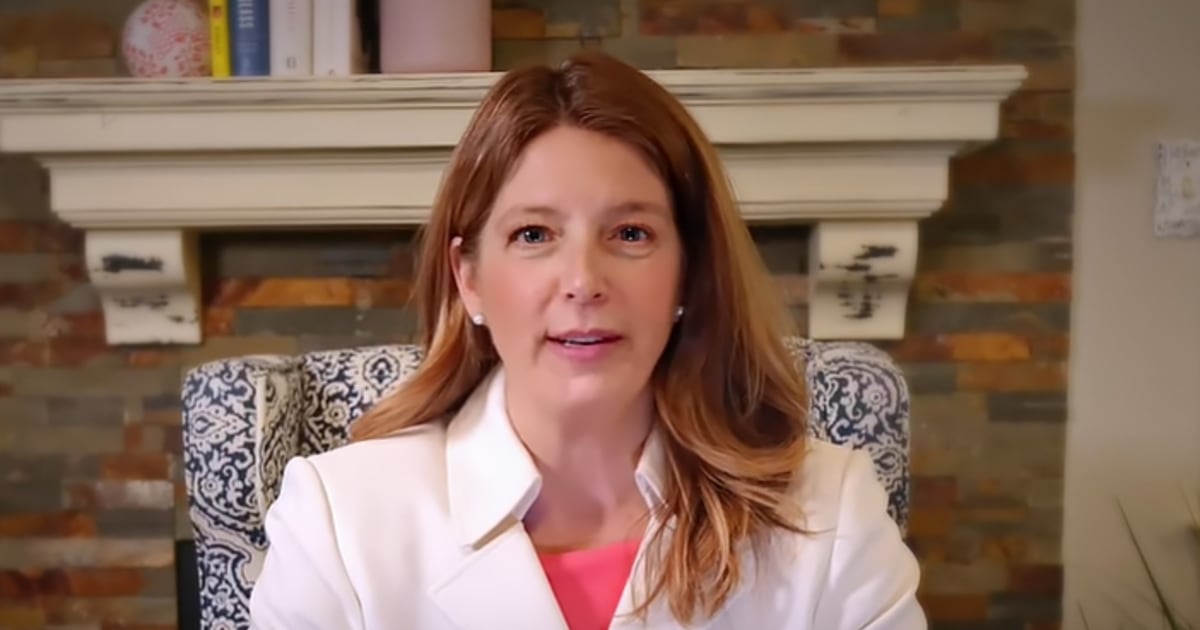
The race to become the top public education official in North Carolina has become heated, with Republican candidate Michele Morrow advocating for classroom cameras as part of a broader campaign for parental rights. Her Democratic opponent, Mo Green, opposes cameras, setting up a stark contrast between the two candidates. The issue has been a defining factor in the race for superintendent of public instruction, overseeing the state’s public schools, budget, and 1.4 million students. Morrow views cameras as a way to make schools safer, while Green believes they are unnecessary.
The push for cameras in classrooms is part of a larger conservative focus on public education, particularly in response to policies put in place during the Covid-19 pandemic. Some Republicans argue that parental rights include the ability to monitor what children are being taught in real-time through classroom cameras. However, critics argue that such a system poses security risks, including privacy concerns, hacking, and child safety. Teachers and advocates see the push for cameras as an attempt to censor classrooms and intimidate educators discussing sensitive topics like race and history.
Morrow, a conservative activist with a history of controversial remarks, supports removing critical race theory and diversity efforts from public school classrooms. She has made inflammatory statements about public schools being “socialism centers” and has criticized educators for teaching children to hate the country. Green, on the other hand, advocates for increasing state funding for public education and has criticized Morrow’s views as extreme and misguided. Morrow’s past social media posts advocating for political violence and supporting conspiracy theories have also drawn criticism.
The momentum for cameras in classrooms extends beyond Morrow, with Republican lawmakers in multiple states introducing bills to require or put cameras in schools for either transparency or safety reasons. Some districts have already implemented similar measures, and a few states have enacted laws requiring cameras in special education classrooms. The issue of public education has also become a key topic in the race for governor in North Carolina, with debates over expanding school voucher programs falling along partisan lines. National education leaders have also condemned Morrow’s positions on cameras and her controversial statements.
The debate over classroom cameras reflects larger tensions in public education, including concerns over curriculum transparency, school safety, and parental rights. The issue has become a flashpoint in the North Carolina superintendent race, highlighting the divergent views of the candidates and their approaches to education policy. As the campaign heats up, the question of whether to require cameras in classrooms will continue to be a divisive issue, shaping the future of public education in the state.