





Close Menu
West TimelinesWest Timelines
  • News
  • Politics
  • World
    • Africa
    • Asia
    • Australia
    • Europe
      • United Kingdom
      • Germany
      • France
      • Italy
      • Russia
      • Spain
      • Turkey
      • Ukraine
    • North America
      • United States
      • Canada
    • South America
  • Business
    • Finance
    • Markets
    • Investing
    • Small Business
    • Crypto
  • Elections
  • Entertainment
  • Health
  • Lifestyle
    • Fashion
    • Food & Drink
    • Travel
    • Astrology
  • Weird News
  • Science
  • Sports
    • Soccer
  • Technology
  • Viral Trends
Trending Now

Dubai Spotlight: Analyzing the Evolving Audience Tastes with AI Social Listening Tools in the UAE

1 month ago

مرآة التاريخ: تحليل البناء السردي للدروس الخالدة في قصص الأنبياء والإسلام

1 month ago

السندات الحكومية والشركات: أساسيات الاستثمار الآمن والدخل الثابت

1 month ago

UAE Ranks Among Top Rugby Markets on TOD as British & Irish Lions Tour Kicks Off

6 months ago

Darven: A New Leap in AI-Powered Legal Technology Launching from the UAE to the World

6 months ago
Facebook X (Twitter) Instagram
West TimelinesWest Timelines
  • News
  • US
  • #Elections
  • World
    • North America
      • United States
      • Canada
    • Europe
      • United Kingdom
      • Germany
      • France
      • Italy
      • Spain
      • Ukraine
      • Russia
      • Turkey
    • Asia
    • Australia
    • Africa
    • South America
  • Politics
  • Business
    • Finance
    • Investing
    • Markets
    • Small Business
    • Crypto
  • Lifestyle
    • Astrology
    • Fashion
    • Food & Drink
    • Travel
  • Health
  • Sports
    • Soccer
  • More
    • Entertainment
    • Technology
    • Science
    • Viral Trends
    • Weird News
Subscribe
  • Israel War
  • Ukraine War
  • United Kingdom
  • Canada
  • Germany
  • France
  • Italy
  • Russia
  • Spain
  • Turkey
  • Ukraine
West TimelinesWest Timelines
Home»News
News

Cloned Ferret Believed Extinct Brought Back to Life

April 19, 2024No Comments3 Mins Read
Facebook Twitter Pinterest LinkedIn Telegram Email WhatsApp Copy Link

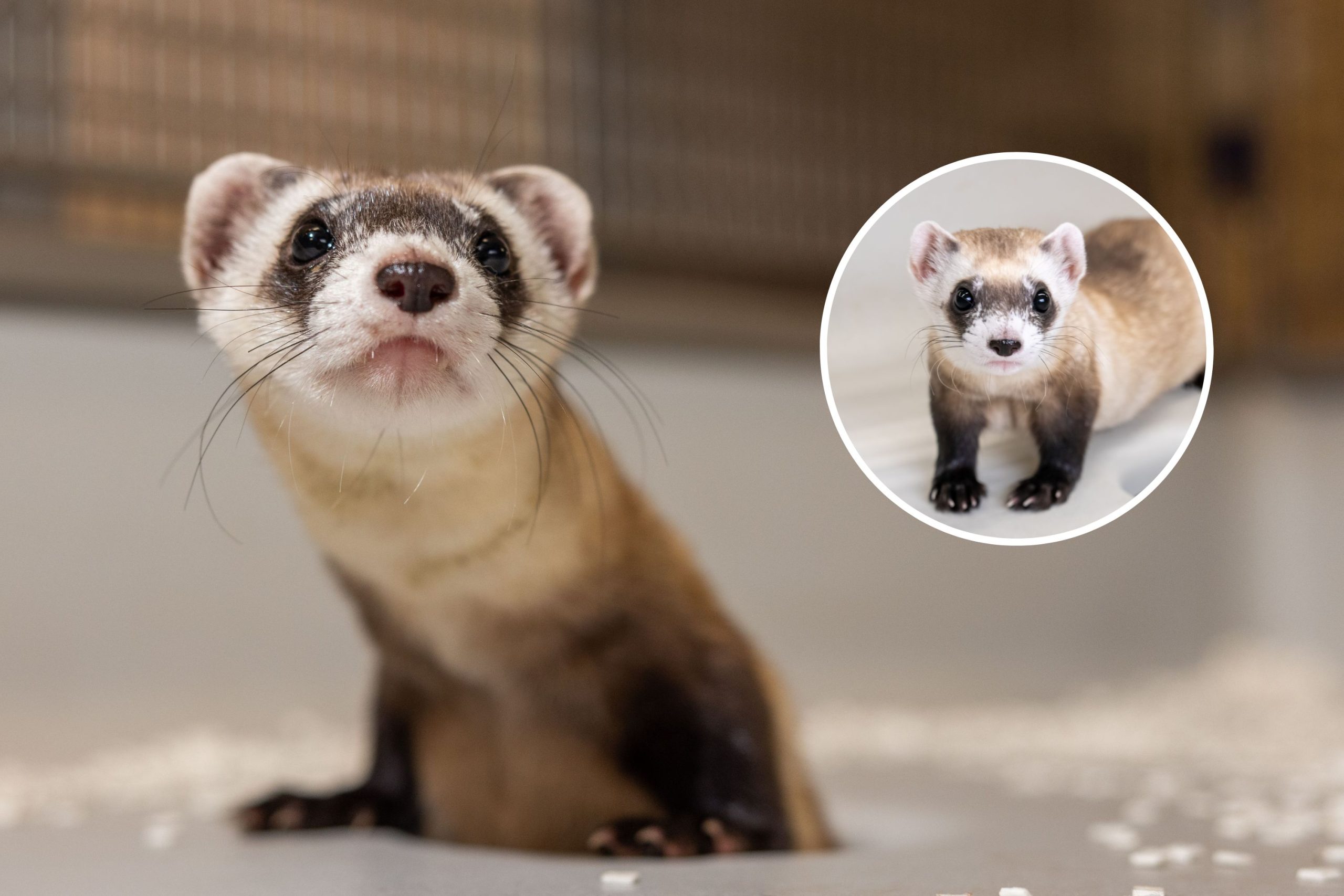
Two baby black-footed ferrets, named Noreen and Antonia, were recently born as clones at conservation centers in Colorado and Virginia. These baby ferrets are genetically identical to each other and to another black-footed ferret named Elizabeth Ann, as they were all cloned from the same genetic material. The black-footed ferret population in the United States has declined significantly over the years due to factors such as reductions in prairie dog numbers and the spread of diseases like the sylvatic plague. The species was declared extinct in 1979 but was rediscovered in 1981 in Wyoming.

All three cloned black-footed ferrets, Elizabeth Ann, Noreen, and Antonia, are descendants of a ferret named Willa, who was captured in the 1980s. Willa’s tissue samples were collected and stored, leading to the successful cloning of these animals many years later. The remaining black-footed ferret population today has very little genetic diversity, with all individuals except the clones potentially at risk of genetic bottlenecking. Genetic bottlenecking occurs when a population undergoes a significant reduction, leading to a loss of genetic diversity that can make them vulnerable to environmental changes and diseases. The successful cloning of these three ferrets provides hope for improving the genetic diversity of the remaining population.

The clones are intended to contribute to captive breeding and reintroduction efforts for the black-footed ferret species. They have already been introduced to the wild in various sites, with several hundred ferrets currently surviving successfully outside of captivity. The clones represent a source of genetic diversity that could significantly benefit the species. While the first clone, Elizabeth Ann, was unable to breed, it is hoped that Noreen and Antonia will be able to breed successfully once they reach sexual maturity, further enhancing the genetic diversity of the population. The ultimate goal is to boost the genetics of the current black-footed ferret population and ensure the survival of the species.

The introduction of novel genetic material through the clones is seen as a significant advancement in conserving the black-footed ferret species. The additional genetic diversity provided by the clones could help the remaining population better adapt to environmental changes and diseases. The focus remains on addressing habitat-based threats to the species, as well as habitat conservation and management to support the recovery of black-footed ferrets. While the cloned ferrets will not be released into the wild, they play a critical role in enhancing the genetic diversity of the captive breeding program. The success of genetic cloning in this species offers hope for the future conservation efforts of the black-footed ferret, ensuring the survival of this endangered species for generations to come.


Follow on Google News Follow on Flipboard
Share. Facebook Twitter Pinterest Email Telegram WhatsApp Copy Link

You Might Like

Array

Array

Array

Array

Array

Array

Editors Picks

مرآة التاريخ: تحليل البناء السردي للدروس الخالدة في قصص الأنبياء والإسلام

1 month ago

السندات الحكومية والشركات: أساسيات الاستثمار الآمن والدخل الثابت

1 month ago

UAE Ranks Among Top Rugby Markets on TOD as British & Irish Lions Tour Kicks Off

6 months ago

Darven: A New Leap in AI-Powered Legal Technology Launching from the UAE to the World

6 months ago

Jordan to Host Iraq in the Final Round of the Asian World Cup Qualifiers After Securing Historic Spot

6 months ago

Latest News

فلسطين: قلبٌ ينبض بالصمود والأمل

7 months ago

Roland Garros 2025: A New Era of Viewing, A Tribute to Legends, and Moments to Remember

7 months ago

Array

7 months ago
Advertisement
Facebook X (Twitter) TikTok Instagram Threads
© 2025 West Timelines. All Rights Reserved. Developed By: Sawah Solutions
  • Privacy Policy
  • Terms
  • Contact

Type above and press Enter to search. Press Esc to cancel.