




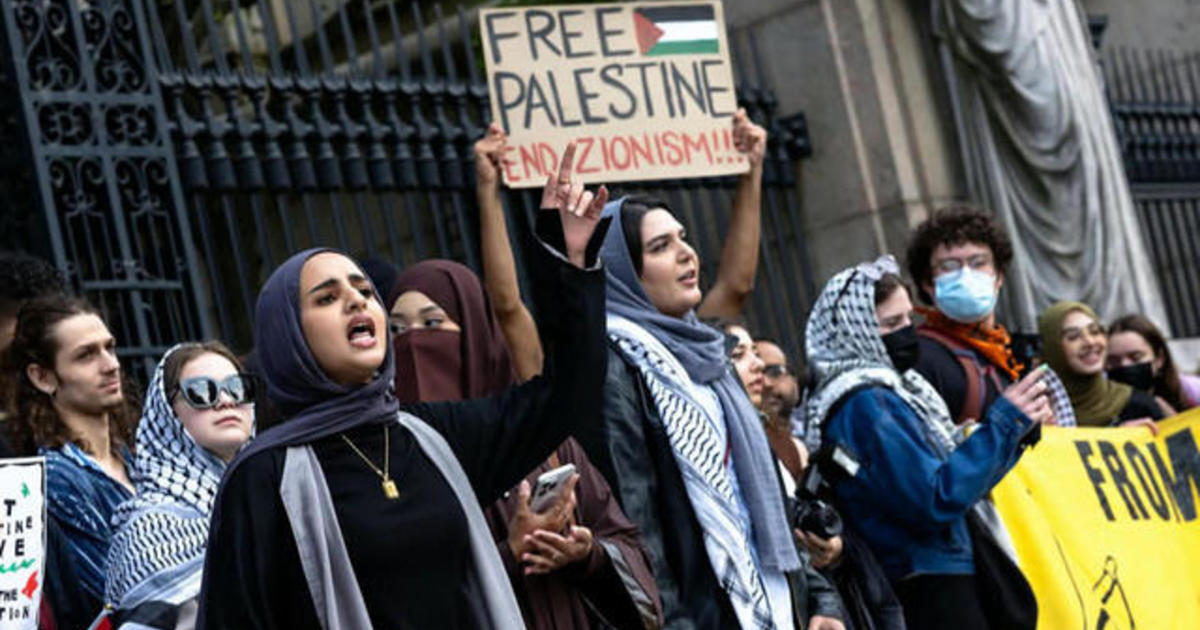
Campus protests have been at the forefront of national conversations, sparking debates over the use of inflammatory rhetoric such as “Intifada.” As more than 2,000 people have been arrested during these protests, reporter Lilia Luciano delves into how language used in these demonstrations is influencing the dynamics of the movements and escalating tension. The term “Intifada,” which translates to “uprising” in Arabic, has been used to describe the Palestinian uprising against Israeli occupation. However, its usage in campus protests has drawn criticism and led to discussions about the appropriateness of comparing current social justice movements to a political conflict on the other side of the world.
The debate over the use of “Intifada” rhetoric in campus protests highlights the power of language in shaping perceptions and influencing public opinion. While some argue that invoking terms like “Intifada” can help draw attention to the urgency and seriousness of social justice issues, others believe that such comparisons may be inappropriate and potentially harmful. The complex history and political implications of the term add another layer of complexity to an already emotionally charged debate. By exploring how language is being used in these protests, Luciano sheds light on the ways in which activists are navigating the delicate balance between raising awareness and alienating potential allies.
In addition to the controversy surrounding “Intifada” rhetoric, campus protests have also raised questions about the role of social media in shaping public discourse. With platforms like Twitter and Instagram playing a significant role in organizing and promoting protests, the language used online has the potential to reach a wide audience and shape public perceptions. The spread of inflammatory language and provocative rhetoric on social media has fueled debates about the boundaries of free speech and the responsibility of activists to consider the impact of their words on others. As social media continues to play a central role in activism, the need for careful and thoughtful communication has never been more pressing.
The language used in campus protests reflects a broader struggle within social justice movements to balance the need for radical change with the desire to build coalitions and foster unity. As activists navigate these tensions, the power of language to inspire, provoke, and alienate is on full display. The use of terms like “Intifada” serves as a symbol of the broader challenges facing activists as they push for social change in a deeply divided society. By engaging in critical conversations about the implications of their words, protesters are grappling with the complexities of language and its potential to shape the course of their movements.
As the debate over “Intifada” rhetoric continues to unfold, it raises important questions about the role of language in activism and the ways in which words can shape public perception. By examining the language used in campus protests, Luciano highlights the complexities of navigating sensitive political issues in an era of heightened social awareness and activism. By exploring the nuances of language and its impact on movement dynamics, activists are seeking to find common ground and communicate their message effectively. The ongoing protests serve as a powerful reminder of the importance of language in shaping the direction of social justice movements and influencing public opinion.
Overall, the debate over “Intifada” rhetoric in campus protests underscores the challenges and opportunities inherent in using language to mobilize and inspire change. As activists continue to grapple with the complexities of communication in the digital age, the need for thoughtful and strategic messaging has never been more critical. By engaging in nuanced discussions about the power of language and its implications for movement building, protesters are working towards a more inclusive and effective approach to social change. The language used in protests is a reflection of the broader struggle to balance radicalism with pragmatism, unity with diversity, and urgency with patience – a balancing act that will continue to shape the future of activism in an increasingly polarized world.