




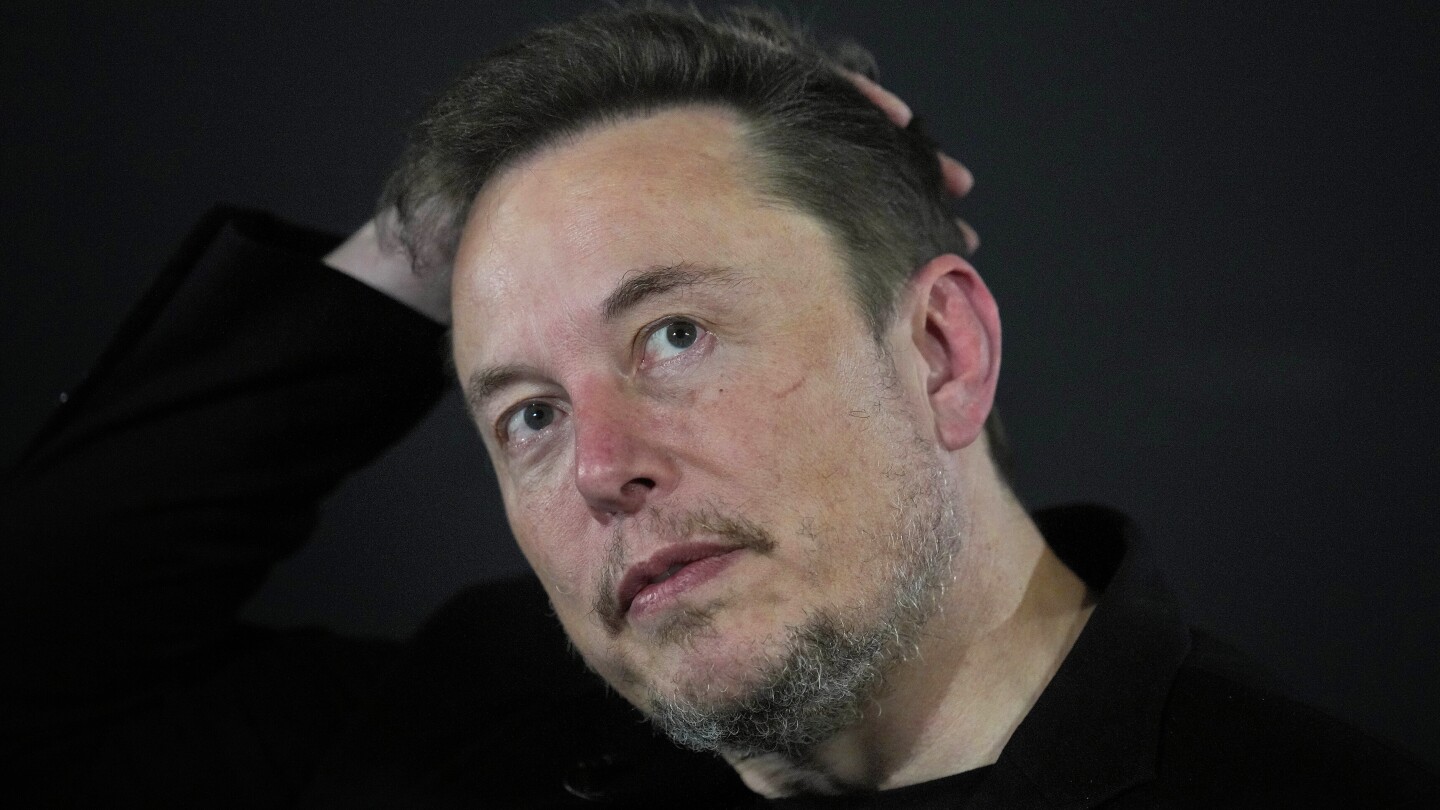
Brazilian Supreme Court Justice Alexandre de Moraes has included Elon Musk in an investigation into the dissemination of fake news, accusing Musk of obstructing justice. Moraes alleged that Musk engaged in a “disinformation campaign” and stated that Musk’s social media company X would no longer comply with court orders to block certain accounts. The investigation will look into whether Musk intentionally used X to obstruct justice, engage in criminal organization, and incite criminal behavior. Musk has not commented on the investigation as of late Sunday.
Critics of Moraes, particularly from Brazil’s political right, have accused him of infringing on free speech and engaging in political persecution. However, supporters argue that Moraes’ actions are necessary to combat the spread of fake news and protect Brazilian democracy. Moraes’ decisions have led to the imprisonment of lawmakers connected to former President Jair Bolsonaro and raids on his supporters’ homes. Bolsonaro himself was also a target of the investigation in 2021. Moraes’ defenders argue that his actions are legally sound and crucial to preserving social media integrity.
Musk, known for advocating for free speech, announced on X that the platform would lift all restrictions on blocked accounts, despite court orders. He predicted that this decision would result in revenue loss and potentially force the company to close its local office in Brazil. Musk instructed users to download a VPN in case X was shut down, and stated that X would publish all of Moraes’ demands, claiming they violate Brazilian law. However, as of late Sunday, Moraes’ demands had not been published, and blocked accounts remained restricted, indicating that X had not acted on Musk’s statements. Moraes warned that reactivating blocked accounts would result in fines and legal consequences for disobeying court orders.
Brazil’s Attorney General stressed the urgency of regulating social media platforms in response to Musk’s actions, emphasizing the need to prevent foreign billionaires from disregarding court orders and threatening Brazilian authorities. The Attorney General stated that social peace is non-negotiable and called for regulations to ensure compliance with the rule of law. Brazil’s constitution, drafted after the military dictatorship from 1964-1985, contains provisions that aim to protect against specific crimes such as racism and homophobia, but does not guarantee absolute freedom of speech. The ongoing investigation into Musk’s involvement in spreading fake news highlights the complex relationship between free speech, social media, and the rule of law in Brazil.