






In 2024, Boeing faced a series of challenges that led to a year filled with setbacks. The troubles began with a machinists’ strike that affected the production of several of Boeing’s key aircraft, including the 737 Max, the 777 airliner, and the 767 cargo plane. The strike lasted for seven weeks, during which the company’s stock price plummeted by more than 30%. This was followed by a safety incident in January where a door plug blew off a 737 Max during a flight, raising further questions about the aircraft’s safety.
The company’s reputation for safety took a severe hit following two fatal crashes involving the Boeing 737 Max in 2018 and 2019, which resulted in a combined total of 346 deaths. In the aftermath of these tragedies, Boeing faced scrutiny and legal action for its role in the approval process for the 737 Max. Federal regulators implemented restrictions on Boeing’s aircraft production until they were confident in the company’s manufacturing safety standards. In July, Boeing pleaded guilty to conspiracy to commit fraud for deceiving regulators about the safety of the 737 Max, but the plea deal was rejected by a federal judge due to concerns about diversity, inclusion, and equity policies potentially influencing the agreement.
The company’s financial losses have been significant since the 737 Max crashes, totaling more than $23 billion over the past five years. Boeing also fell behind its European rival, Airbus, in terms of selling and delivering new planes. This decline in performance has added to the challenges Boeing has faced in rebuilding its reputation and regaining the trust of customers and regulators in the aviation industry. In response to these setbacks, Boeing has made efforts to change its corporate culture and improve safety standards. David Calhoun, the former CEO, stepped down in August, and the company has engaged with 70,000 employees in discussions on ways to enhance safety measures.
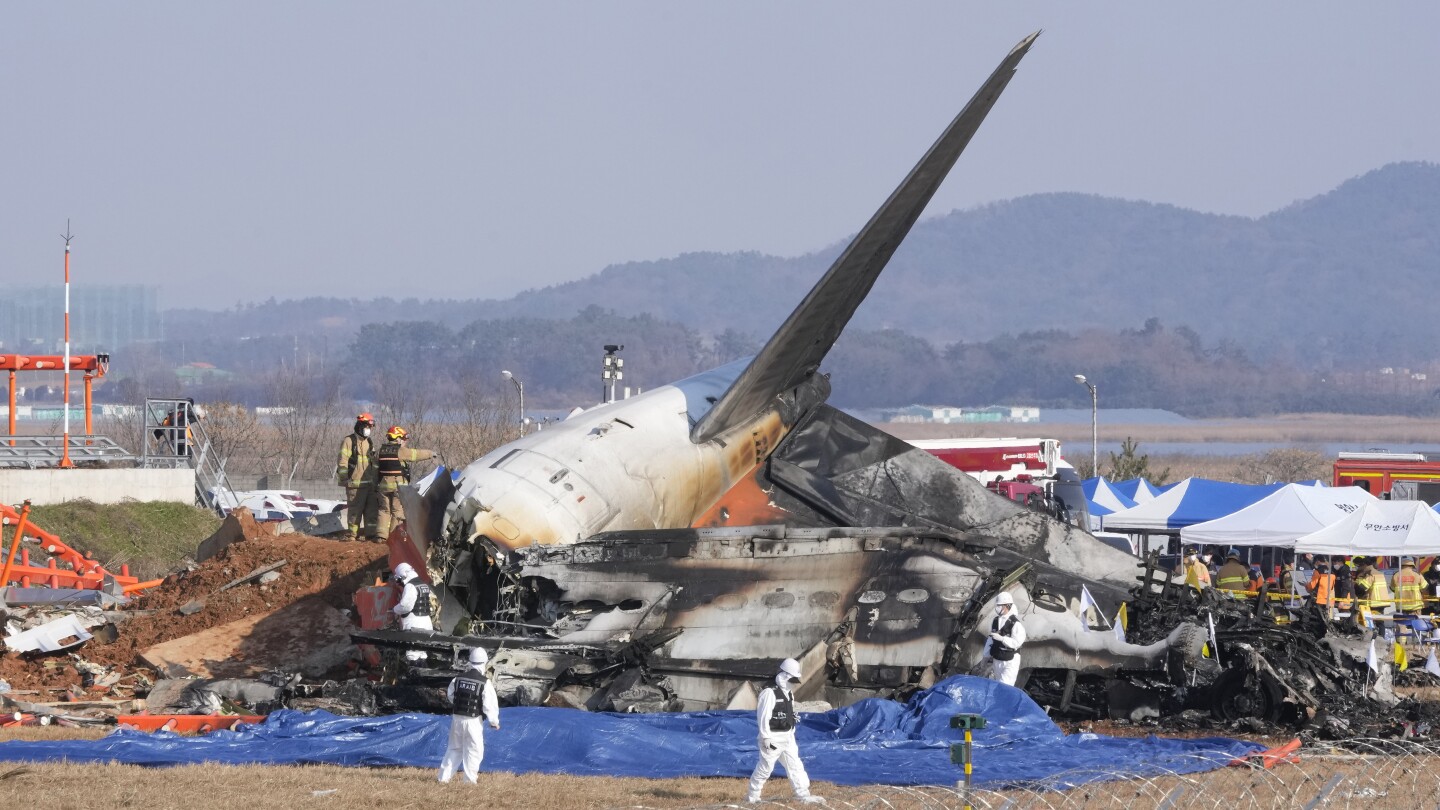
Despite these efforts, another tragedy struck in 2024 when a Boeing 737-800 crash-landed in South Korea, resulting in the deaths of all but two passengers on board. While the cause of the crash is still under investigation, aviation experts have emphasized that the 737-800 is a different model from the troubled 737 Max and is considered a safe aircraft. The incident in Korea was seen as a separate and unfortunate event for Boeing, with no immediate link to the previous safety issues surrounding the 737 Max. As the company continues to navigate these challenges and work towards improving its safety record, it faces ongoing scrutiny and pressure to address the concerns raised by these incidents.