




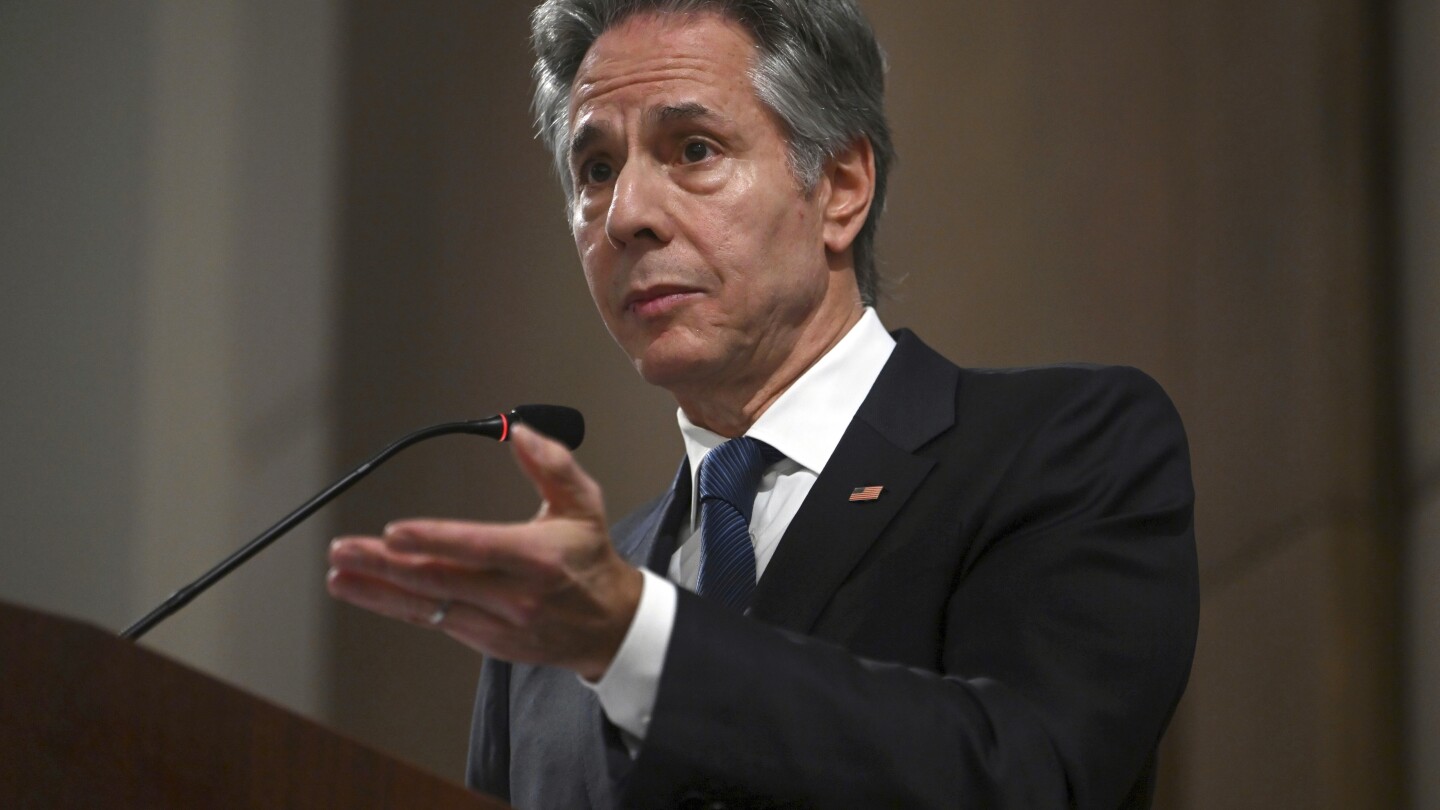
Blinken’s trip to South Korea comes at a crucial time, as the country is facing political turmoil following the impeachment of President Yoon Suk Yeol. With the U.S. aiming to expand cooperation with both South Korea and Japan as part of its Indo-Pacific strategy, Blinken’s visit is seen as an opportunity to reaffirm the alliances in the face of uncertainty. The U.S. has reassured that its partnership with South Korea remains strong despite the recent political developments, and Blinken will focus on building on shared values and cooperation on global challenges during his meetings with South Korean officials.
In Japan, Blinken will discuss the progress made in the U.S.-Japan alliance over the past few years, including the approval of a major arms sales deal worth $3.64 billion. This deal includes the delivery of medium-range missiles, related equipment, and training to Japan, a move that has drawn criticism from China. Both Japan and the U.S. have rejected China’s complaints, emphasizing the importance of security and stability in the region. Blinken’s discussions in Tokyo are expected to reinforce the strength of the alliance and address regional security concerns.
The Biden administration’s Indo-Pacific strategy aims to counter Chinese ambitions in the region and address the nuclear threat posed by North Korea. Blinken’s trip to South Korea and Japan will underscore the importance of these partnerships in achieving these strategic goals. By highlighting the progress made in U.S. cooperation with both nations, Blinken seeks to strengthen alliances in the Indo-Pacific region and promote regional security and stability. The arms sales deal with Japan is a concrete example of the commitment to bolstering defense capabilities in the face of evolving security challenges.
In addition to his visits to South Korea and Japan, Blinken will also travel to Paris to meet with French officials and discuss developments in the Middle East and European security, particularly in Ukraine. These meetings are likely to address ongoing conflicts and security threats in these regions, as well as opportunities for cooperation and coordination on shared priorities. The discussions in Paris will provide an opportunity for Blinken to engage with key European partners and emphasize the importance of transatlantic unity in addressing global challenges.
Blinken’s final overseas trip in office signals the Biden administration’s commitment to strengthening alliances and enhancing cooperation with key partners in the Indo-Pacific region and beyond. By engaging with South Korea, Japan, and France, Blinken aims to reinforce the bonds of friendship and collaboration that underpin U.S. foreign policy. The trip comes at a crucial juncture, with political changes and security challenges shaping the strategic landscape. Through these meetings and discussions, Blinken will seek to advance U.S. interests, promote regional stability, and address shared concerns with allies and partners.