



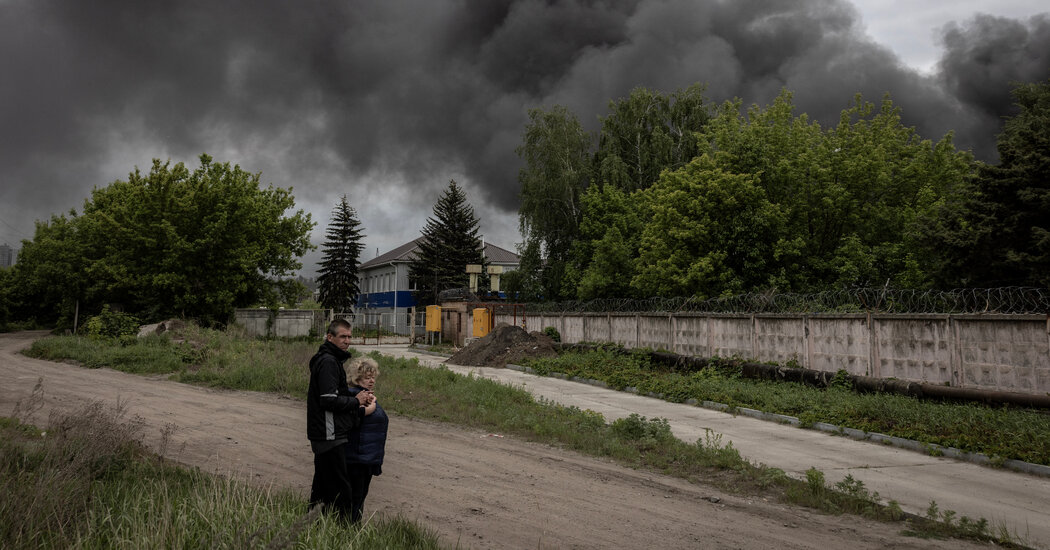
After weeks of intense behind-the-scenes discussions with Ukrainian officials and the escalation of Russian attacks on Kharkiv in May, President Biden and his national security team made the decision to reverse U.S. restrictions on firing into Russian territory. The Ukrainians had been pressing for this change, arguing that Russian forces were shelling civilian sites from inside their border with impunity. Following a secure video conference with Ukrainian counterparts, Secretary of State Antony Blinken, Defense Secretary Lloyd Austin, and General Charles Q. Brown Jr. recommended to the president that he lift the restrictions, which he had previously been hesitant to do out of concern for escalation.
Despite the urgency presented by the situation in Kharkiv, President Biden initially resisted the idea of allowing the Ukrainians to strike back at Russian forces just across the border. It was not until a private meeting with Blinken and an endorsement from General Christopher G. Cavoli, who emphasized the danger posed to Ukraine by the ban on firing into Russia, that Biden began to reconsider. After a meeting with President Zelensky in Kyiv, where the case for a reversal was made directly, Blinken returned to Washington and presented his conviction for a change in policy to Biden and Sullivan in the Oval Office on May 17.
Following these discussions, it became clear that President Biden was leaning towards lifting the restrictions, but he insisted on convening a meeting of his national security “principals” to comprehensively evaluate the risks involved. The meeting did not occur until the following week, as news of Blinken’s change of stance had already started to circulate. The decision to reverse the policy was made in the context of increasing Russian aggression in Kharkiv and the growing concerns of Ukrainian officials. The move was seen as a necessary step to provide the Ukrainians with the ability to defend themselves against Russian attacks originating from just across the border.
The recommendation to lift the ban on firing into Russian territory had been kept close by Sullivan, Austin, and Brown until it was presented to Biden on May 15, at which point the president expressed his initial inclination to make an exception for Ukraine. This decision marked a shift in Biden’s stance on the issue, which had previously been more cautious due to concerns about escalation. The president’s willingness to consider the change was influenced by discussions with Blinken, Cavoli, and direct appeals from President Zelensky. These conversations underscored the urgent need for the United States to alter its policy in response to the escalating conflict in Ukraine.
The decision to reverse the restrictions on firing into Russian territory was made in response to the intensifying situation in Kharkiv, where Russian forces were targeting civilian sites from within their border. The Ukrainians had been advocating for this change, arguing that they needed the ability to strike back against these attacks. Despite initial hesitation from President Biden, discussions with key advisers and a meeting with President Zelensky in Kyiv ultimately led to a shift in policy. The decision was carefully considered, with Biden convening a meeting of his national security team to weigh the risks before formally announcing the change in position.
In the midst of escalating tensions in Ukraine, the decision to allow Ukraine to fire back across the border into Russia was reached after weeks of discussions and consultations with Ukrainian officials. President Biden’s reluctance to change the policy was overcome by the urgent situation in Kharkiv and the persuasive arguments put forth by Ukrainian and American officials. The reversal of the restrictions was seen as a necessary step to support Ukraine in defending itself against Russian aggression and to send a message of solidarity with the Ukrainian government. The decision-making process leading up to the policy change highlighted the complexities of navigating the conflict in Ukraine and balancing concerns about escalation with the need to support a key ally in the region.