




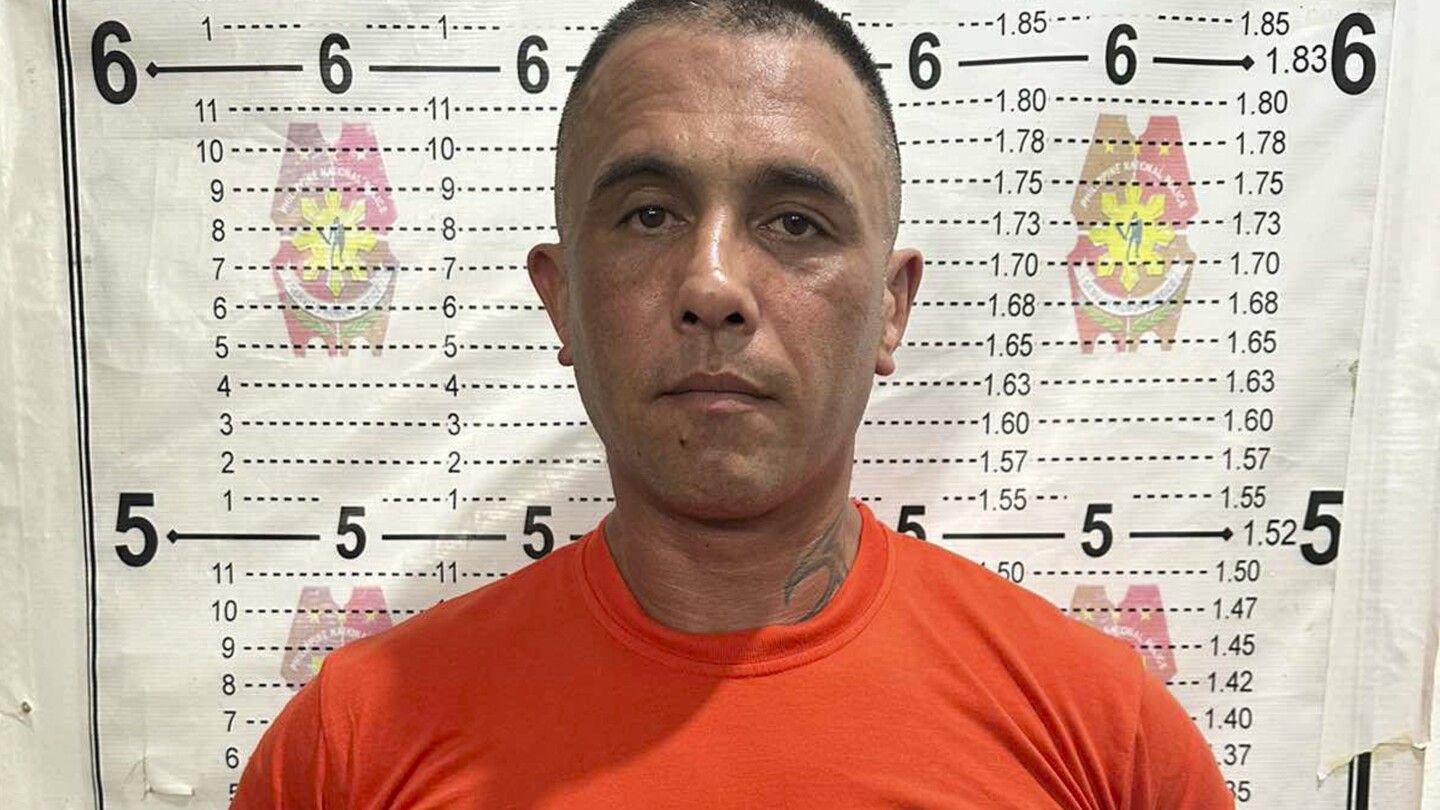
Haas was arrested in the Philippines after an international manhunt and efforts are underway to extradite him to Jakarta to face drug charges. The Interpol issued a red notice for Haas, who is described as a high-profile fugitive and allegedly a member of the Sinaloa cartel. Haas is also the father of popular Australian rugby league player Payne Haas. Indonesian authorities have implicated Haas in an attempt to smuggle more than five kilograms of methamphetamine into Indonesia in December, a highly addictive stimulant prohibited in both Indonesia and the Philippines.
The drugs were seized by Indonesian authorities, who discovered that the packages were sent by Haas from Guadalajara, Mexico. Indonesian authorities want Haas to face an investigation in Indonesia, suspecting that he has networks all over Asia and in Australia. Under Indonesia’s strict drug laws, Haas could face the death penalty by firing squad. Haas was flown from Cebu province to an immigration detention center in Metropolitan Manila while deportation proceedings were underway, according to the Philippine immigration bureau.
The Philippine Immigration Commissioner described Haas as a significant figure in the Sinaloa cartel, known for drug trafficking and money laundering activities. Haas’ arrest marks a significant development in international efforts to combat drug trafficking and organized crime. The cooperation between Indonesian and Philippine authorities highlights the importance of global collaboration in apprehending wanted criminals and bringing them to justice. The extradition of Haas to Jakarta will allow Indonesian authorities to further investigate his connections and dismantle any criminal networks he may be involved in.
Haas’ arrest serves as a reminder of the pervasive nature of organized crime and the illicit drug trade, which poses a serious threat to public safety and security. The interception of the methamphetamine shipment highlights the importance of vigilance and coordinated efforts in combating drug trafficking activities. The involvement of Haas, a key player in the Sinaloa cartel, underscores the transnational nature of organized crime and the need for international cooperation in addressing this global challenge. Haas’ extradition to Indonesia and potential prosecution under the country’s strict drug laws send a strong message that drug trafficking will not be tolerated and perpetrators will be held accountable for their actions.
The case of Gregor Johann Haas also sheds light on the role of international law enforcement agencies, such as Interpol, in tracking down fugitives and facilitating their extradition to face justice. The red notice issued for Haas enabled his arrest in the Philippines, demonstrating the effectiveness of multilateral cooperation in apprehending wanted criminals. The arrest of Haas is a significant victory in the fight against drug trafficking and organized crime, and serves as a warning to others involved in illegal activities that they will be pursued and brought to justice, regardless of their location. The extradition of Haas to Indonesia represents a step forward in holding individuals accountable for their criminal actions and disrupting illicit networks that pose a threat to global security.