




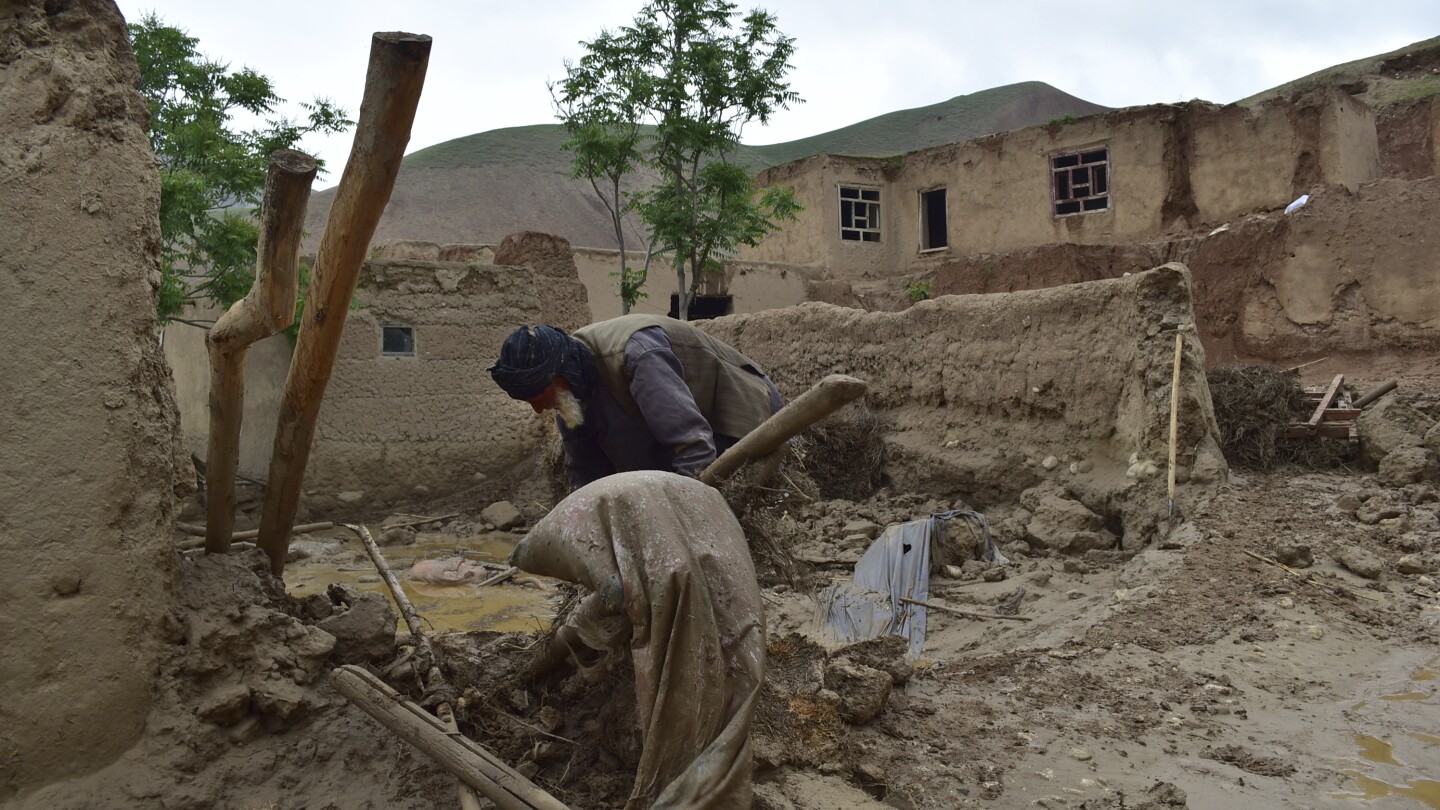
Flash floods in Baghlan province in northern Afghanistan have led to the deaths of at least 50 people, according to a Taliban official. The floods have also caused significant damage to homes and property in several districts in the region. The provincial director of Natural Disaster Management in Baghlan, Edayatullah Hamdard, stated that the death toll is preliminary and may increase as many people are still missing. Rescue teams have been sent to the affected areas, with a focus on providing food and other aid to those in need.
The capital city of Kabul has also been impacted by the flash floods, with rescue teams mobilizing to provide assistance to affected areas. Abdullah Janan Saiq, the Taliban’s spokesman for the State Ministry for Natural Disaster Management, emphasized that the primary focus at the moment is on the rescue operation. As the situation develops, more precise figures on casualties and damage may be available. The severity of the floods has underscored the urgent need for coordinated response efforts to support those affected and minimize further loss of life.
This recent incident follows another devastating flood in April, where heavy rains claimed the lives of at least 70 people in Afghanistan. The flooding also resulted in damage to thousands of homes, mosques, schools, and agricultural land. The loss of livestock and the displacement of thousands of people have further exacerbated the humanitarian crisis in the region. The repeated occurrence of such natural disasters highlights the vulnerability of communities in Afghanistan to the impact of extreme weather events.
The response to the flash floods in Baghlan province and Kabul demonstrates the need for effective disaster management strategies and infrastructure to mitigate the impact of such events. The provision of humanitarian assistance and support for those affected by the floods is crucial in preventing further loss of life and helping communities recover. The Taliban official stressed the importance of ongoing rescue efforts and the mobilization of resources to address the immediate needs of those impacted by the floods.
As the situation continues to evolve, authorities in Afghanistan are working to assess the full extent of the damage caused by the flash floods. The coordination of response efforts between government agencies, humanitarian organizations, and international partners will be critical in providing assistance to those in need. The challenges posed by natural disasters highlight the importance of preparedness and resilience-building measures to protect communities from future events. The tragic loss of life and destruction caused by the floods serve as a sobering reminder of the urgent need for sustainable solutions to address the impacts of climate change in vulnerable regions like Afghanistan.