





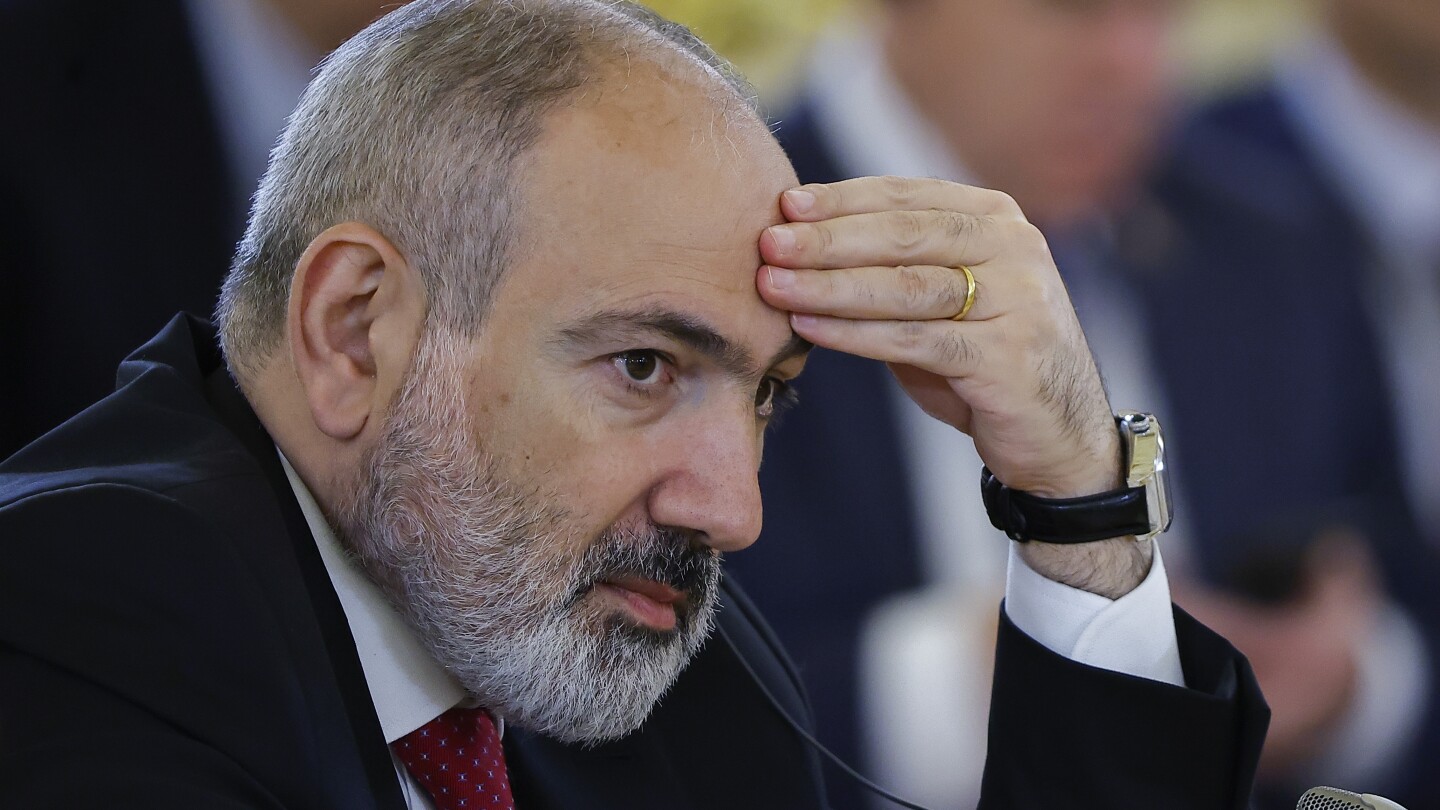
The decision by the Armenian government to hand over control of some border villages to Azerbaijan has sparked widespread protests in Armenia. Thousands of demonstrators gathered in Yerevan, the capital of Armenia, demanding the resignation of Prime Minister Nikol Pashinyan. The protesters are upset over the government’s move to cede control of certain border areas to Azerbaijan, following a military campaign in September that resulted in Azerbaijan’s military taking over the Karabakh region from ethnic Armenian separatist authorities. This decision led to the displacement of around 120,000 people, mostly ethnic Armenians, from the region.
The conflict over the control of Karabakh dates back to 1994 when ethnic Armenian fighters, backed by Armenian forces, took control of the region at the end of a six-year war with Azerbaijan. However, Azerbaijan regained some territory in fighting that occurred in 2020, resulting in an armistice that brought in a Russian peacekeeper force into the region. The demarcation of the border between Armenia and Azerbaijan has been a point of contention, with many residents of Armenia’s border regions viewing it as an encroachment by Azerbaijan on areas they consider their own. Prime Minister Pashinyan has emphasized the need for defining the border with Azerbaijan quickly to prevent further hostilities.
Archbishop Bagrat Galstanyan, a high-ranking cleric in the Armenian Apostolic Church, has been leading the protests and has called on demonstrators to engage in peaceful acts of disobedience. The protests in Yerevan have been largely peaceful, with no major incidents reported. Despite the peaceful nature of the demonstrations, Galstanyan has vowed that they will continue until their demands, including the resignation of Prime Minister Pashinyan, are met. The protests highlight the deep-seated tensions and frustrations within Armenian society over the government’s decisions regarding the border regions and its handling of the conflict with Azerbaijan.
The unresolved conflict over the control of Karabakh and the recent decision to cede certain border areas to Azerbaijan have reignited long-standing grievances and emotions among the Armenian population. The protests in Armenia reflect a sense of betrayal and anger over the government’s policies, particularly in relation to the border regions. The involvement of a prominent church leader in leading the demonstrations adds another layer of complexity to the situation, bringing together religious and political dimensions in the protests. The continued resistance of residents in Armenia’s border regions to the demarcation efforts underscores the deep attachment and sense of ownership they feel towards these areas, further fueling the protests and demands for change.
As the protests in Armenia continue, the government faces mounting pressure to address the concerns and grievances of the demonstrators. Prime Minister Pashinyan’s leadership and handling of the border issue have come under scrutiny, with calls for his resignation growing louder. The ongoing demonstrations signal a growing discontent within Armenian society and a desire for change and accountability from the government. The situation remains tense as protesters demand justice and transparency in decision-making processes that impact the country’s territorial integrity and security. The government’s response to the protests will be critical in determining the future direction of Armenia and its relationship with neighboring countries, particularly Azerbaijan.